Liz Rose

Country
Americana/Alt Country
 Viberate Rank: 230701
 Viberate Rank: 230701
 Monthly ListenersFollowers
 Subscribers
 Followers
 Followers
 FansTop Spotify Songs
| Track | 7-Day Streams | |
|---|---|---|
1 | 7.70K | |
2 | 5.31K | |
3 | 270 | |
4 | 115 | |
5 | 71 |
Top YouTube VideosMonthly ListenersFeatured in Playlists| Playlist | Followers | |
|---|---|---|
1 |  Country Coffeehouse Spotify | 731.67K |
2 |  Country Songwriters Spotify | 46.45K |
3 |  Grady Smith - Favorite Country Music Grady Smith | 15.37K |
4 |  Country🚜🪕 Aidan McLaren | 11.01K |
5 |  This Is Lori McKenna Spotify | 4.60K |
Audience| City | Monthly Listeners | |
|---|---|---|
1 |  | 138 |
2 |  | 120 |
3 |  | 104 |
4 |  | 86 |
5 |  | 80 |
See full performance history, audience data, playlist activity, rankings, comparisons, and more in Viberate music analytics. Start with a free trial, then continue with a paid plan.
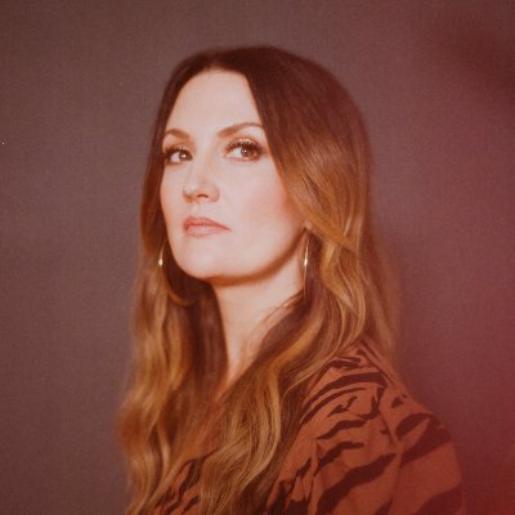
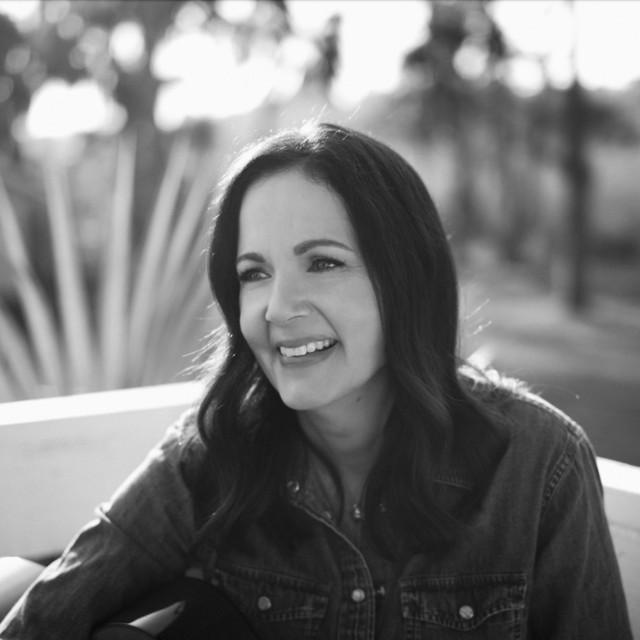
Liz Rose’s Spotify BioAs a co-writer on many of Taylor Swift's biggest early hits, including "You Belong with Me," and the co-author of Little Big Town's Grammy-winning "Girl Crush," Liz Rose earned considerable success before she launched her solo recording career in 2017. Given that Rose's first charting composition happened in 2006 -- Swift's debut single, "Tim McGraw" -- and her debut album, Swimming Alone, arrived in 2017, it's fair to say Rose may be something of a late bloomer, and that's true. She was 37 when she scored her first smash hit with Swift, by which point she had already had two children -- one of whom was Caitlin Rose, a singer/songwriter who launched her career in 2008 -- and had steadily worked behind the scenes as a songwriter in Nashville.
Born in Dallas, Texas on December 22, 1968, Liz Rose grew up in the adjacent city of Irving. Once she reached adulthood, she and her husband, Johnny, moved to Nashville, Tennessee in 1994, and once her children entered school, she pursued a… songwriting career. First, she was hired by Jody Williams Music to plug songs from the King Lizard catalog, but she soon became a staff writer at the publishing house. In 2001, she received her first big break when Billy Gillman recorded "Elisabeth," a song Rose wrote in tribute to her niece's battle with neurofibromatosis. Two years later, Gary Allan brought "Songs About Rain" to 12 on Billboard's Hot Country Songs chart.
Rose's career really took off when she teamed with Taylor Swift in the mid-2000s. The two met at a songpulling session at RCA's ROG Café and, being a fan of her work, Swift approached Rose with an offer to collaborate. The pair clicked and wrote a bunch of songs that showed up on Swift's eponymous 2006 debut, including her first two hits, "Tim McGraw" and "Teardrops on My Guitar." These songs were co-writes with Rose, helping her win the SESAC Songwriter of the Year award in 2007. Rose worked with Swift on a regular basis over the next few years, having several credits on Fearless and staying on through Red. Swift may have been Rose's most prominent collaborator during this era but she worked with other many other musicians, writing songs for Bonnie Raitt ("I Don't Want to Change") and Eli Young Band, whose "Crazy Girl" hit was co-written with Lee Brice and won ACM's Song of the Year award in 2012. All of this success as a songwriter led Rose to form the Liz Rose Music publishing company in 2010.
Rose's next big year as a writer was in 2014, when Voice contestant RaeLynn took "God Made Girls" into the Country Top Ten and Little Big Town recorded "Girl Crush," which became a crossover smash the following year. "Girl Crush" won the Grammy Award for Best Country Song in 2016, setting Rose up for her 2017 debut as a recording artist. She released the album Swimming Alone that summer. ~ Stephen Thomas Erlewine, Rovi
Viberate is a music analytics platform built for A&Rs, artist managers, labels, booking agents, marketers, and artists.
It helps music professionals track artist growth, analyze audience data, monitor playlist activity, compare artists, follow song performance, and identify opportunities across the music market.
Public artist pages provide a free preview of selected artist data. Paid plans provide access to deeper analytics, historical data, charts, comparisons, playlist tools, exports, alerts, reports, and additional professional features.
Yes. Public Viberate artist pages provide selected artist analytics and music data for free.
Viberate also offers a 7-day free trial of the full platform. A credit card is required to start the trial. The trial includes access to the complete product so users can test deeper artist analytics, historical views, playlist insights, comparisons, charts, exports, alerts, and reporting features before choosing a paid plan.
Viberate provides artist analytics across streaming, playlists, social media, video, radio airplay, songs, and audience markets.
Users can analyze Spotify performance, Spotify and Apple Music playlists, YouTube activity, TikTok and Instagram growth, radio spins, song performance, audience locations, demographics, rankings, and overall artist momentum.
Artist profiles also connect to music charts, similar artists, and comparison tools, helping users benchmark performance and evaluate artists in context.
Viberate updates key artist and track data daily.
For followed artists and tracks, selected data is refreshed multiple times per day. This helps teams monitor playlist changes, streaming movement, audience growth, releases, and campaign performance with more current data.
Update frequency can vary depending on the metric and data source.
Yes. Viberate lets users compare up to five artists side by side across streaming, social media, audience, and engagement metrics.
Users can compare fanbase growth, audience demographics, locations, Spotify performance, social metrics, and other artist data over selected time periods.
Artist comparison can be used for A&R scouting, benchmarking, booking decisions, campaign planning, and evaluating artists with similar audiences or market positions.