Little Daylight

Pop
Indie Pop
Contemporary R&B
 Viberate Rank: 220976
 Viberate Rank: 220976
 Monthly ListenersFollowers
 Subscribers
 Followers
 Followers
 FansTop Spotify Songs
| Track | 7-Day Streams | |
|---|---|---|
1 | 4.44K | |
2 | 2.84K | |
3 | 1.23K | |
4 | 608 | |
5 | 351 |
Top YouTube VideosMonthly ListenersFeatured in Playlists| Playlist | Followers | |
|---|---|---|
1 |  Morning Vibes 😌☕️ shirk | 81.32K |
2 | Summer Sunshine lizyeomans | 72.00K |
3 |  MrSuicideSheep Uploads MrSuicideSheep | 68.06K |
4 |  Pretty Little Liars Freeform Official Playlist Freeform | 50.90K |
5 |  The Chainsmokers Remixes The Chainsmokers | 46.25K |
Audience| City | Monthly Listeners | |
|---|---|---|
1 | | 199 |
2 | | 181 |
3 | | 150 |
4 | | 116 |
5 | | 109 |
See full performance history, audience data, playlist activity, rankings, comparisons, and more in Viberate music analytics. Start with a free trial, then continue with a paid plan.
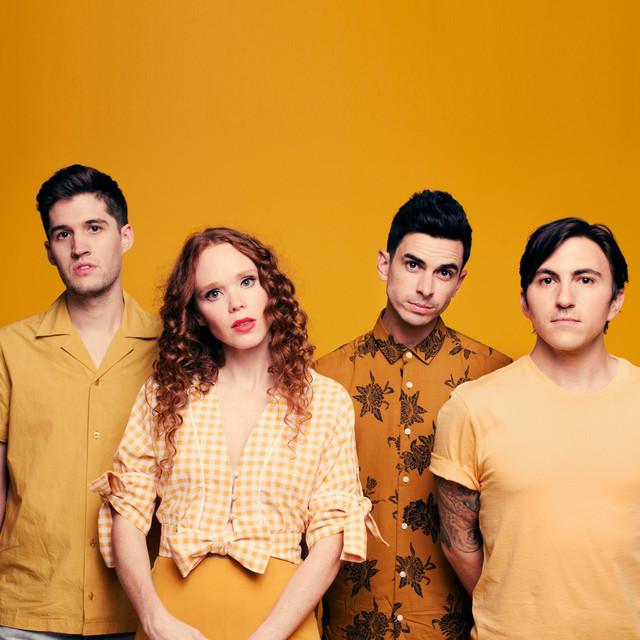
Little Daylight’s Spotify BioThe members of Brooklyn indie pop trio Little Daylight first began working together in 2012, remixing tracks by bands like Passion Pit, the Neighbourhood, and Edward Sharpe & the Magnetic Zeros. Without aspirations to be much more than a studio project, Nikki Taylor, Matt Lewkowicz, and Eric Zeiler enjoyed some critical success from these early remixes and moved forward with their own music, launching their first single, "Overdose," in early 2013. Their shimmering, warm synth pop struck a chord and the single rose to number one on the influential site Hype Machine. Building on their momentum, they decided to work on their live act and, following an appearance at SXSW, landed a deal with Capitol Records. Their first EP, Tunnel Vision, arrived in August 2013 and the bandmembers quickly headed back to their shared Brooklyn studio to record and produce their debut full-length, Hello Memory, which was released one year later. ~ Timothy Monger, Rovi
Viberate is a music analytics platform built for A&Rs, artist managers, labels, booking agents, marketers, and artists.
It helps music professionals track artist growth, analyze audience data, monitor playlist activity, compare artists, follow song performance, and identify opportunities across the music market.
Public artist pages provide a free preview of selected artist data. Paid plans provide access to deeper analytics, historical data, charts, comparisons, playlist tools, exports, alerts, reports, and additional professional features.
Yes. Public Viberate artist pages provide selected artist analytics and music data for free.
Viberate also offers a 7-day free trial of the full platform. A credit card is required to start the trial. The trial includes access to the complete product so users can test deeper artist analytics, historical views, playlist insights, comparisons, charts, exports, alerts, and reporting features before choosing a paid plan.
Viberate provides artist analytics across streaming, playlists, social media, video, radio airplay, songs, and audience markets.
Users can analyze Spotify performance, Spotify and Apple Music playlists, YouTube activity, TikTok and Instagram growth, radio spins, song performance, audience locations, demographics, rankings, and overall artist momentum.
Artist profiles also connect to music charts, similar artists, and comparison tools, helping users benchmark performance and evaluate artists in context.
Viberate updates key artist and track data daily.
For followed artists and tracks, selected data is refreshed multiple times per day. This helps teams monitor playlist changes, streaming movement, audience growth, releases, and campaign performance with more current data.
Update frequency can vary depending on the metric and data source.
Yes. Viberate lets users compare up to five artists side by side across streaming, social media, audience, and engagement metrics.
Users can compare fanbase growth, audience demographics, locations, Spotify performance, social metrics, and other artist data over selected time periods.
Artist comparison can be used for A&R scouting, benchmarking, booking decisions, campaign planning, and evaluating artists with similar audiences or market positions.