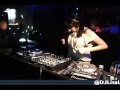
Lisa Lashes

Electronic
Techno
House
 Viberate Rank: 90543
 Viberate Rank: 90543
 Monthly ListenersFollowers
 Subscribers
 Followers
 Followers
 FansTop Spotify Songs
| Track | 7-Day Streams | |
|---|---|---|
1 | 2.74K | |
2 | 1.77K | |
3 | 1.56K | |
4 | 1.54K | |
5 | 778 |
Top YouTube VideosMonthly ListenersFeatured in Playlists| Playlist | Followers | |
|---|---|---|
1 |  Euphoric 90’s-00’s, Classic Trance/ Dance Anthems GRIFF. | 29.61K |
2 |  This Is Hard Trance 2026 The Tidy Boys Hard Drive | 21.74K |
3 | Dark Techno Kenny Dashner | 21.05K |
4 |  Ekwador Manieczki "Wspomnienia" Kamil Kiciński | 20.11K |
5 |  This Is Hard House 2026 The Tidy Boys Hard Drive | 11.73K |
Audience| City | Monthly Listeners | |
|---|---|---|
1 | | 950 |
2 | | 695 |
3 | | 692 |
4 |  | 658 |
5 | | 517 |
See full performance history, audience data, playlist activity, rankings, comparisons, and more in Viberate music analytics. Start with a free trial, then continue with a paid plan.
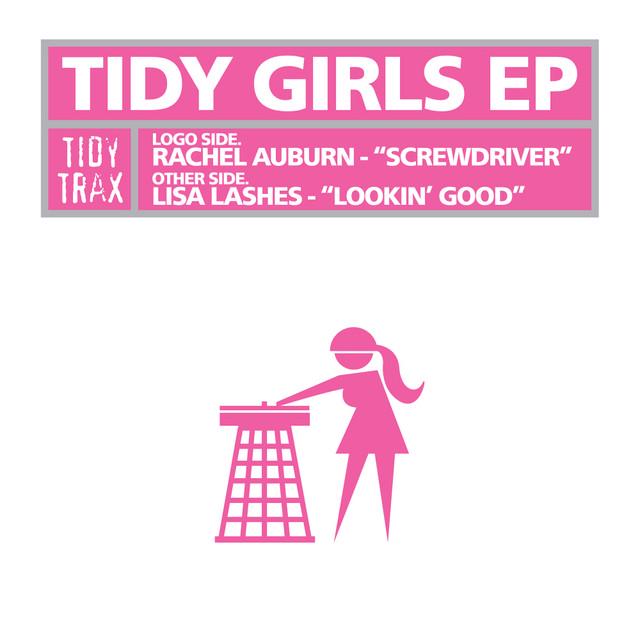
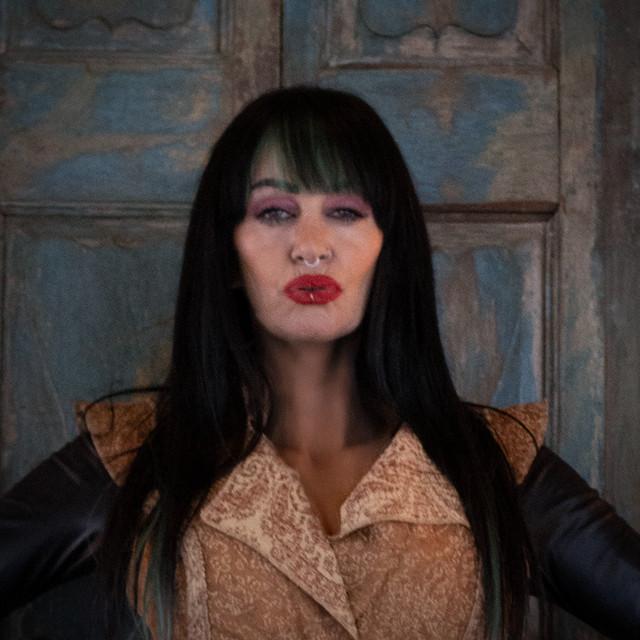
Lisa Lashes’ Spotify BioOne of the leading DJs in the Hard House dance scene (she was known as the Queen of Hard House), Lisa Lashes was also one of the world's top party spinners and club names during from the mid nineties through the later parts of the 2000's. Born Lisa Dawn Rose-Wyatt in Holbrooks, Coventry, England, Lashes played her first event in 1996. During the event Lashes was a hit, and won her first residency. From there on out, Lashes made appearances at most (if not all) of England's top clubs, including Gatecrasher, UK: Base, and Temple Theater. Her skills at handling the large club crowds translated well to the festival circuit, and Lashes was a headliner at such events as Global Gathering, Homelands, Creamfields UK, and Knebworth. In 2000, Lashes released the first of her Hard House Euphoria collections, and in 2002 started releasing collections under the heading Extreme Euphoria. She followed that series up (it concluded in 2003, with volume number four) with 2005's Lashed, 2006's Lashed… Euphoria, and 2007's Lisa Lashes. In 2003, Lisa Lashes began her own party in Ibiza, under the moniker of Lashed. It would go on to great success -- and becoming a label that would specialize in Lisa's specific brand of hard dance style -- and parties were held in China, Korea, New York, Russia, Australia, Japan, and New Zealand, to name but a few. She was also a part of the Tidy Girls with DJ Anne Savage. ~ Chris True, Rovi
Viberate is a music analytics platform built for A&Rs, artist managers, labels, booking agents, marketers, and artists.
It helps music professionals track artist growth, analyze audience data, monitor playlist activity, compare artists, follow song performance, and identify opportunities across the music market.
Public artist pages provide a free preview of selected artist data. Paid plans provide access to deeper analytics, historical data, charts, comparisons, playlist tools, exports, alerts, reports, and additional professional features.
Yes. Public Viberate artist pages provide selected artist analytics and music data for free.
Viberate also offers a 7-day free trial of the full platform. A credit card is required to start the trial. The trial includes access to the complete product so users can test deeper artist analytics, historical views, playlist insights, comparisons, charts, exports, alerts, and reporting features before choosing a paid plan.
Viberate provides artist analytics across streaming, playlists, social media, video, radio airplay, songs, and audience markets.
Users can analyze Spotify performance, Spotify and Apple Music playlists, YouTube activity, TikTok and Instagram growth, radio spins, song performance, audience locations, demographics, rankings, and overall artist momentum.
Artist profiles also connect to music charts, similar artists, and comparison tools, helping users benchmark performance and evaluate artists in context.
Viberate updates key artist and track data daily.
For followed artists and tracks, selected data is refreshed multiple times per day. This helps teams monitor playlist changes, streaming movement, audience growth, releases, and campaign performance with more current data.
Update frequency can vary depending on the metric and data source.
Yes. Viberate lets users compare up to five artists side by side across streaming, social media, audience, and engagement metrics.
Users can compare fanbase growth, audience demographics, locations, Spotify performance, social metrics, and other artist data over selected time periods.
Artist comparison can be used for A&R scouting, benchmarking, booking decisions, campaign planning, and evaluating artists with similar audiences or market positions.