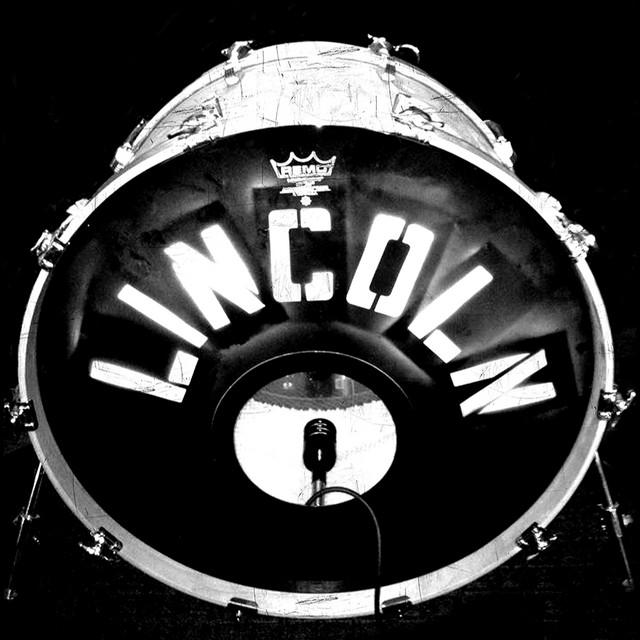
Lincoln Durham

Country
Americana/Alt Country
Alternative Rock
 Viberate Rank: 118515
 Viberate Rank: 118515
 Monthly ListenersFollowers
 Subscribers
 Followers
 Followers
 FansTop Spotify Songs
| Track | 7-Day Streams | |
|---|---|---|
1 | 15.50K | |
2 | 9.78K | |
3 | 6.69K | |
4 | 5.71K | |
5 | 3.60K |
Top YouTube Videos| Video | 7-Day Views | |
|---|---|---|
1 | 339 | |
2 | 150 | |
3 | 37 | |
4 | 37 | |
5 | 32 |
Monthly ListenersFeatured in Playlists| Playlist | Followers | |
|---|---|---|
1 |  Southern Gothic/Dark Western Seanathan Alexand | 44.94K |
2 | Badass Dark Country Vales | 40.28K |
3 |  Dark Country / Southern Gothic rodrigovanhoz | 33.04K |
4 |  Dark & Heavy Swamp Blues Rusty | 27.81K |
5 |  dark gospel - worship & praise Jeff Shelby | 26.08K |
Audience| City | Monthly Listeners | |
|---|---|---|
1 |  | 1.32K |
2 | | 1.23K |
3 | | 1.19K |
4 | | 1.07K |
5 | | 970 |
See full performance history, audience data, playlist activity, rankings, comparisons, and more in Viberate music analytics. Start with a free trial, then continue with a paid plan.
Lincoln Durham’s Spotify BioArmed with old bastardized mid-century guitars, hand-me-down fiddles and banjos, home-made contraptions with just enough tension on a string to be considered an instrument and any random percussive item he can get his hands or feet on, Lincoln Durham is a Southern-Gothic Psycho-Blues Revival-Punk One-Man-Band with a heavy amped edge, preaching the gospel of some new kind of depraved music. With driving guttural beats backboning various growling instruments Lincoln gives birth to a sound that transcends genres with his dark, poetic and raw writing style telling tales that E.A. Poe would have been proud of.
Lincoln’s musical odyssey began when his grandpa and father put a fiddle in his hands at age 4. He would grow into an accomplished fiddle player winning the Youth Fiddle Championship at age 10. Lincoln afterward followed the path so many musicians have, finding his vice in the seductive, siren-like callings of the electric guitar.
Lincoln’s true biography is in his live show. The… passion in his sweat drenched, electrifyingly mesmerizing one-man-band show draws you in to feel every scar and drop of blood in his painfully intimate lyrics. It takes something beautifully “off” to get on stage with just hands and feet for a band, driven by a howling voice, and morbidly preach a music that harkens back to Son House and Fred McDowell, infused with the edge and angst of Punk and darkened from the influences of Tom Waits and Nick Cave.
Viberate is a music analytics platform built for A&Rs, artist managers, labels, booking agents, marketers, and artists.
It helps music professionals track artist growth, analyze audience data, monitor playlist activity, compare artists, follow song performance, and identify opportunities across the music market.
Public artist pages provide a free preview of selected artist data. Paid plans provide access to deeper analytics, historical data, charts, comparisons, playlist tools, exports, alerts, reports, and additional professional features.
Yes. Public Viberate artist pages provide selected artist analytics and music data for free.
Viberate also offers a 7-day free trial of the full platform. A credit card is required to start the trial. The trial includes access to the complete product so users can test deeper artist analytics, historical views, playlist insights, comparisons, charts, exports, alerts, and reporting features before choosing a paid plan.
Viberate provides artist analytics across streaming, playlists, social media, video, radio airplay, songs, and audience markets.
Users can analyze Spotify performance, Spotify and Apple Music playlists, YouTube activity, TikTok and Instagram growth, radio spins, song performance, audience locations, demographics, rankings, and overall artist momentum.
Artist profiles also connect to music charts, similar artists, and comparison tools, helping users benchmark performance and evaluate artists in context.
Viberate updates key artist and track data daily.
For followed artists and tracks, selected data is refreshed multiple times per day. This helps teams monitor playlist changes, streaming movement, audience growth, releases, and campaign performance with more current data.
Update frequency can vary depending on the metric and data source.
Yes. Viberate lets users compare up to five artists side by side across streaming, social media, audience, and engagement metrics.
Users can compare fanbase growth, audience demographics, locations, Spotify performance, social metrics, and other artist data over selected time periods.
Artist comparison can be used for A&R scouting, benchmarking, booking decisions, campaign planning, and evaluating artists with similar audiences or market positions.