Limpe Fuchs

Electronic
Other Electronic Music
Progressive Rock
 Viberate Rank: 803423
 Viberate Rank: 803423
 Monthly ListenersFollowers
 Subscribers
 Followers
 Followers
 FansTop Spotify Songs
| Track | 7-Day Streams | |
|---|---|---|
1 | 6 | |
2 | 5 | |
3 | 4 | |
4 | 4 | |
5 | 3 |
Top YouTube VideosMonthly ListenersFeatured in Playlists| Playlist | Followers | |
|---|---|---|
1 |  Nurse With Wound list christophermacauley | 2.83K |
2 |  WFMU's Heavily Played Records - 2020s Edition WFMU | 1.93K |
3 |  The Sound of Krautrock The Sounds of Spotify | 1.54K |
Audience| City | Monthly Listeners | |
|---|---|---|
1 | | 8 |
2 |  | 6 |
3 | | 4 |
4 |  | 4 |
5 |  | 3 |
See full performance history, audience data, playlist activity, rankings, comparisons, and more in Viberate music analytics. Start with a free trial, then continue with a paid plan.
Limpe Fuchs’ Spotify BioIn 2010, play loud! productions began working on their Limpe Fuchs Archive series dedicated to reissuing the work of German musician Limpe Fuchs (Anima, Anima-Sound and solo work). Some of her records, tapes and films were released illegally, while others were no longer available. In many cases the artist was not paid. Stay tuned for some recordings and films that have never before been released.
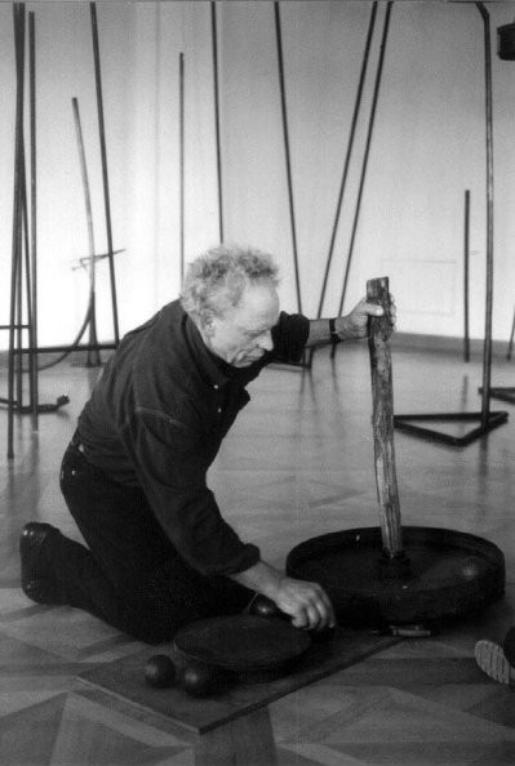
Limpe Fuchs is a legend in the experimental music scene. In the late sixties, this percussionist drummed on self-made instruments, together with her then husband Paul Fuchs, in the Ensemble Anima. During that time, Limpe and Paul Fuchs cooperated with the classic pianist star Friedrich Gulda, as well as with jazz luminaries like Albert Mangelsdorff, and continually attracted the interest of their audiences in new constellations. Limpe Fuchs' solo performance with "variable wood and stone rows, ringing bronze in the pendulum strings, and a variety of skin and bronze drums" is a rare occasion to… witness one of the early avant-gardists of the scene from the old Federal Republic Of Germany. She attempts, while playing live, to develop her musical ideas from the "resonance of the location where the performance takes place" - "to make music in the flow of time, with simplicity and emotion". Her main concern is to sensitize the process of hearing: "Every tone is a sensation. Listening instead of shutting one's ears. Establishing silence." (LIMPE FUCHS ARCHIVE)
Viberate is a music analytics platform built for A&Rs, artist managers, labels, booking agents, marketers, and artists.
It helps music professionals track artist growth, analyze audience data, monitor playlist activity, compare artists, follow song performance, and identify opportunities across the music market.
Public artist pages provide a free preview of selected artist data. Paid plans provide access to deeper analytics, historical data, charts, comparisons, playlist tools, exports, alerts, reports, and additional professional features.
Yes. Public Viberate artist pages provide selected artist analytics and music data for free.
Viberate also offers a 7-day free trial of the full platform. A credit card is required to start the trial. The trial includes access to the complete product so users can test deeper artist analytics, historical views, playlist insights, comparisons, charts, exports, alerts, and reporting features before choosing a paid plan.
Viberate provides artist analytics across streaming, playlists, social media, video, radio airplay, songs, and audience markets.
Users can analyze Spotify performance, Spotify and Apple Music playlists, YouTube activity, TikTok and Instagram growth, radio spins, song performance, audience locations, demographics, rankings, and overall artist momentum.
Artist profiles also connect to music charts, similar artists, and comparison tools, helping users benchmark performance and evaluate artists in context.
Viberate updates key artist and track data daily.
For followed artists and tracks, selected data is refreshed multiple times per day. This helps teams monitor playlist changes, streaming movement, audience growth, releases, and campaign performance with more current data.
Update frequency can vary depending on the metric and data source.
Yes. Viberate lets users compare up to five artists side by side across streaming, social media, audience, and engagement metrics.
Users can compare fanbase growth, audience demographics, locations, Spotify performance, social metrics, and other artist data over selected time periods.
Artist comparison can be used for A&R scouting, benchmarking, booking decisions, campaign planning, and evaluating artists with similar audiences or market positions.