Lilith

Rock
Pop Rock
 Viberate Rank: 313534
 Viberate Rank: 313534
 Monthly ListenersFollowers
 Subscribers
 Followers
 Followers
 FansTop Spotify Songs
| Track | 7-Day Streams | |
|---|---|---|
1 | 1.08K | |
2 | 636 | |
3 | 335 | |
4 | 291 | |
5 | 291 |
Top YouTube VideosMonthly ListenersFeatured in Playlists| Playlist | Followers | |
|---|---|---|
1 | Lounge jazz domvinho2 | 11.15K |
2 |  El Mejor Rock - Metal Estatal🔝 Animal Records | 6.69K |
3 |  Tribal Spirit Groove ☀️ Pulso de Gaia 🌍✨ robsigwalt | 5.53K |
4 |  An Anthology Of Noise And Electronic Music Vols 1-7 mickydazzler | 3.85K |
5 |  Slow Love Iorie | 3.72K |
Audience| City | Monthly Listeners | |
|---|---|---|
1 | | 636 |
2 | | 359 |
3 | | 117 |
4 |  | 102 |
5 |  | 100 |
See full performance history, audience data, playlist activity, rankings, comparisons, and more in Viberate music analytics. Start with a free trial, then continue with a paid plan.
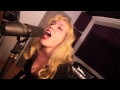
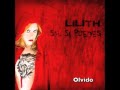
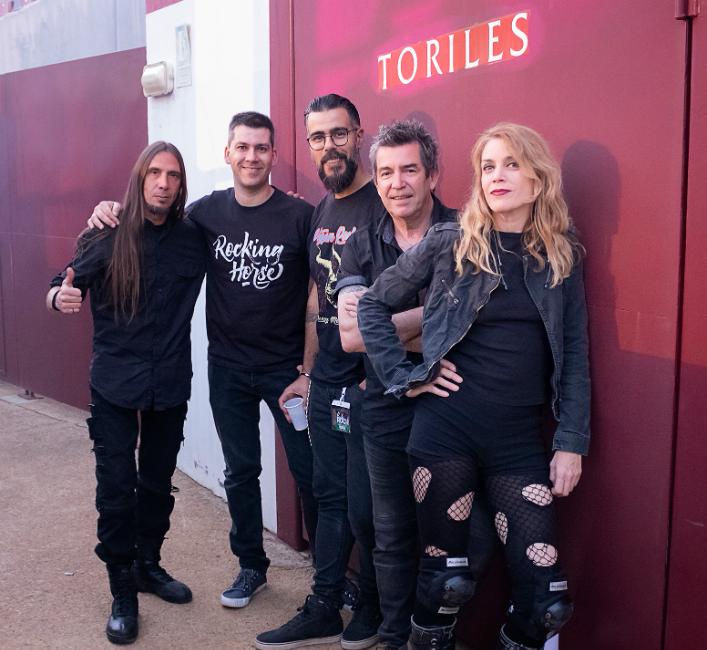
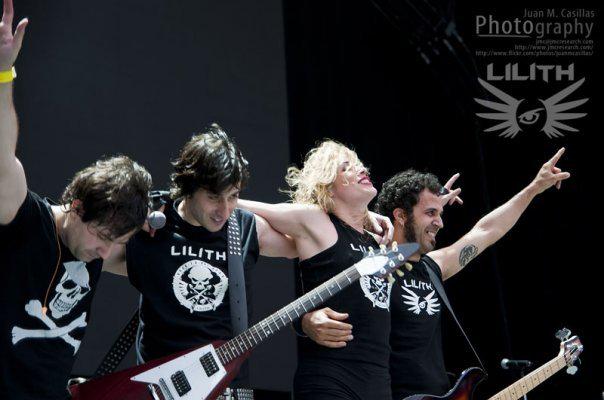
Lilith’s Spotify BioLilith es una banda de punk-rock de Barcelona formada en 2002. Su estilo musical fusiona rock, punk y toques de metal, destacándose por su energía y letras potentes. Fundada por Agnes Castaño (vocalista) y Albert Lorente (guitarra), la banda ha lanzado varios álbumes aclamados, incluyendo "No te RINDAS" (2003), "Sal Si Puedes" (2007) y "Leche de Rock" (2010).
Lilith se distingue no solo por su música, sino también por su fuerte compromiso con el feminismo y el empoderamiento. Sus letras abordan temas cotidianos como la frustración, el amor, el desamor, el abandono, la autosuperación y el romper con los convencionalismos. Liderada por Agnes Castaño, la banda se ha convertido en un referente de la música liderada por mujeres.
Han compartido escenario con artistas como AC/DC, Bryan Adams, Deep Purple y Zwan, y son reconocidos por su potente directo y su capacidad para conectar con el público. Con influencias de The Ramones, The Clash, AC/DC y Motörhead, su sonido es tanto crudo como… melódico. Lilith sigue activa, trabajando en nuevos proyectos y participando en festivales y eventos.
Más información en sus redes sociales y página web oficial.
Viberate is a music analytics platform built for A&Rs, artist managers, labels, booking agents, marketers, and artists.
It helps music professionals track artist growth, analyze audience data, monitor playlist activity, compare artists, follow song performance, and identify opportunities across the music market.
Public artist pages provide a free preview of selected artist data. Paid plans provide access to deeper analytics, historical data, charts, comparisons, playlist tools, exports, alerts, reports, and additional professional features.
Yes. Public Viberate artist pages provide selected artist analytics and music data for free.
Viberate also offers a 7-day free trial of the full platform. A credit card is required to start the trial. The trial includes access to the complete product so users can test deeper artist analytics, historical views, playlist insights, comparisons, charts, exports, alerts, and reporting features before choosing a paid plan.
Viberate provides artist analytics across streaming, playlists, social media, video, radio airplay, songs, and audience markets.
Users can analyze Spotify performance, Spotify and Apple Music playlists, YouTube activity, TikTok and Instagram growth, radio spins, song performance, audience locations, demographics, rankings, and overall artist momentum.
Artist profiles also connect to music charts, similar artists, and comparison tools, helping users benchmark performance and evaluate artists in context.
Viberate updates key artist and track data daily.
For followed artists and tracks, selected data is refreshed multiple times per day. This helps teams monitor playlist changes, streaming movement, audience growth, releases, and campaign performance with more current data.
Update frequency can vary depending on the metric and data source.
Yes. Viberate lets users compare up to five artists side by side across streaming, social media, audience, and engagement metrics.
Users can compare fanbase growth, audience demographics, locations, Spotify performance, social metrics, and other artist data over selected time periods.
Artist comparison can be used for A&R scouting, benchmarking, booking decisions, campaign planning, and evaluating artists with similar audiences or market positions.