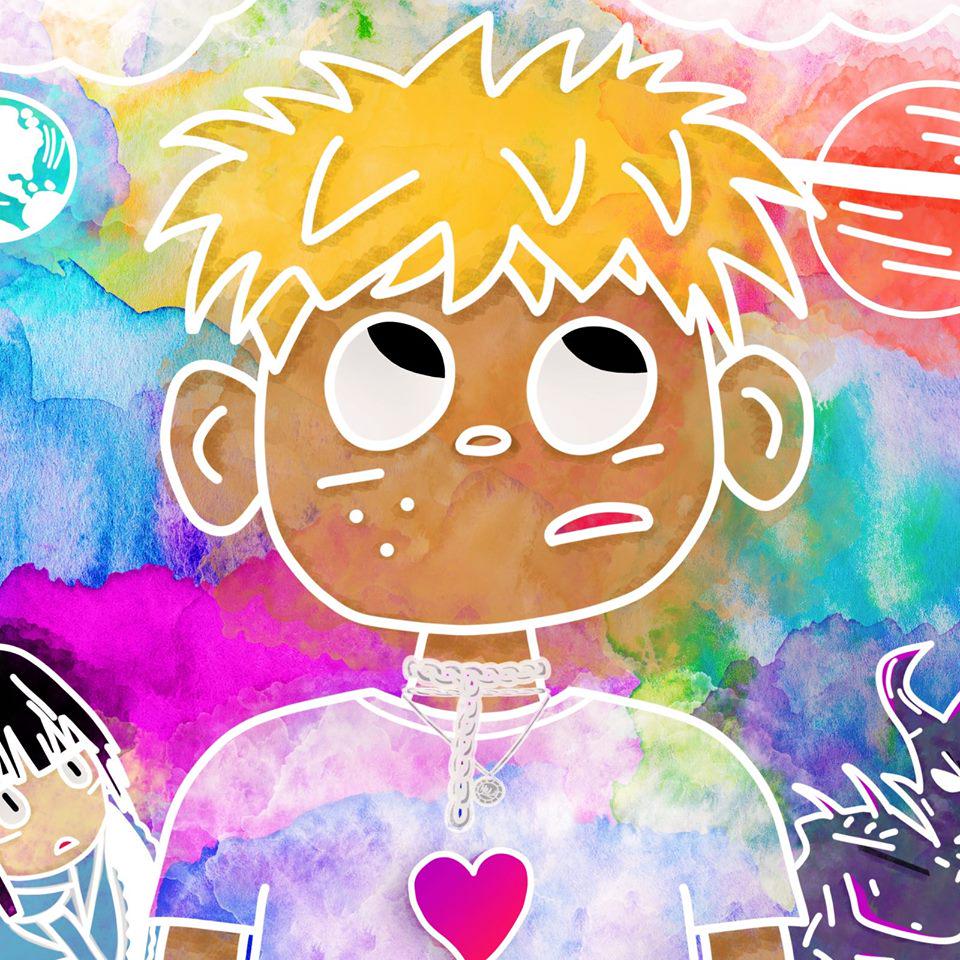
Lil Dreamy

Hip Hop
Trap
Alternative Hip Hop
Contemporary Hip Hop
 Viberate Rank: 128040
 Viberate Rank: 128040
 Monthly ListenersFollowers
 Subscribers
 Followers
 Followers
 FansTop Spotify Songs
| Track | 7-Day Streams | |
|---|---|---|
1 | 208 | |
2 | 148 | |
3 | 22 | |
4 | 15 | |
5 | 7 |
Top YouTube VideosMonthly ListenersFeatured in Playlists| Playlist | Followers | |
|---|---|---|
1 | some shit v4 yuv41 | 9.92K |
2 | Trap Selects. phaulerxofelija | 4.23K |
3 | idfc Grellms | 2.96K |
4 |  Crushing at 3am Romet Kivi | 2.29K |
5 |  ASTARI Jonas | 2.25K |
Audience| City | Monthly Listeners | |
|---|---|---|
1 | | 17 |
2 | | 17 |
3 | | 14 |
4 | | 13 |
5 | | 13 |
See full performance history, audience data, playlist activity, rankings, comparisons, and more in Viberate music analytics. Start with a free trial, then continue with a paid plan.
Lil Dreamy’s Spotify BioLil Dreamy is a promising new artist on the music scene, with a unique sound and style that has been turning heads in the industry. With a passion for music that dates back to his childhood, Dreamy has been honing his craft for years and is ready to share his talents with the world.
Growing up in Boise, Idaho , Dreamy was exposed to music at an early age. He was particularly drawn to hip-hop, R&B, and soul, and his first inspirations were Soulja Boy, Bruno Mars, Akon, and Sean Kingston. These artists played a significant role in shaping Lil Dreamy's musical taste and inspired him to pursue a career in music.
However, after hearing about Eminem, Lil Dreamy began to take rap seriously. Eminem quickly became one of his top inspirations, and Lil Dreamy admired how he infused his songs with raw emotion and told deeply personal stories through his music.
After years of experimenting with different sounds and styles, Lil Dreamy has found his niche in the music world. His music is a blend of… different genres, with smooth beats, soulful melodies, and lyrics that tell relatable stories about life, relationships, struggles, and everything in between.
Lil Dreamy made his debut in the music industry with the single "I Just Wanna Be Alone." The song quickly gained attention and has since reached nearly 2 million streams on popular music streaming platforms. The success of his debut single is a testament to Lil Dreamy's natural talent for creating music that resonates with audiences.
Viberate is a music analytics platform built for A&Rs, artist managers, labels, booking agents, marketers, and artists.
It helps music professionals track artist growth, analyze audience data, monitor playlist activity, compare artists, follow song performance, and identify opportunities across the music market.
Public artist pages provide a free preview of selected artist data. Paid plans provide access to deeper analytics, historical data, charts, comparisons, playlist tools, exports, alerts, reports, and additional professional features.
Yes. Public Viberate artist pages provide selected artist analytics and music data for free.
Viberate also offers a 7-day free trial of the full platform. A credit card is required to start the trial. The trial includes access to the complete product so users can test deeper artist analytics, historical views, playlist insights, comparisons, charts, exports, alerts, and reporting features before choosing a paid plan.
Viberate provides artist analytics across streaming, playlists, social media, video, radio airplay, songs, and audience markets.
Users can analyze Spotify performance, Spotify and Apple Music playlists, YouTube activity, TikTok and Instagram growth, radio spins, song performance, audience locations, demographics, rankings, and overall artist momentum.
Artist profiles also connect to music charts, similar artists, and comparison tools, helping users benchmark performance and evaluate artists in context.
Viberate updates key artist and track data daily.
For followed artists and tracks, selected data is refreshed multiple times per day. This helps teams monitor playlist changes, streaming movement, audience growth, releases, and campaign performance with more current data.
Update frequency can vary depending on the metric and data source.
Yes. Viberate lets users compare up to five artists side by side across streaming, social media, audience, and engagement metrics.
Users can compare fanbase growth, audience demographics, locations, Spotify performance, social metrics, and other artist data over selected time periods.
Artist comparison can be used for A&R scouting, benchmarking, booking decisions, campaign planning, and evaluating artists with similar audiences or market positions.