Lil Bean

Hip Hop
Contemporary Hip Hop
Alternative Hip Hop
 Viberate Rank: 22460
 Viberate Rank: 22460
 Monthly ListenersFollowers
 Subscribers
 Followers
 Followers
 FansTop Spotify Songs
| Track | 7-Day Streams | |
|---|---|---|
1 | 59.38K | |
2 | 24.50K | |
3 | 23.25K | |
4 | 21.62K | |
5 | 18.36K |
Top YouTube VideosMonthly ListenersFeatured in Playlists| Playlist | Followers | |
|---|---|---|
1 |  Westside Spotify | 751.01K |
2 |  New Joints Spotify | 398.54K |
3 |  Fresh Finds Hip-Hop Spotify | 297.60K |
4 | Mat Young | 67.69K |
5 |  High Lights Spotify | 64.13K |
Audience| City | Monthly Listeners | |
|---|---|---|
1 | | 28.84K |
2 | | 24.53K |
3 | | 24.20K |
4 | | 17.62K |
5 | | 17.39K |
See full performance history, audience data, playlist activity, rankings, comparisons, and more in Viberate music analytics. Start with a free trial, then continue with a paid plan.
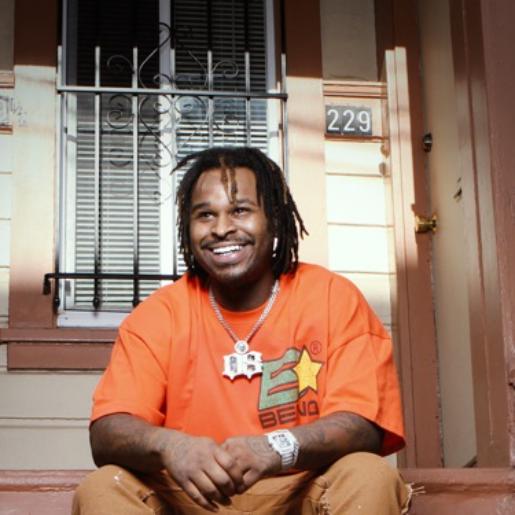
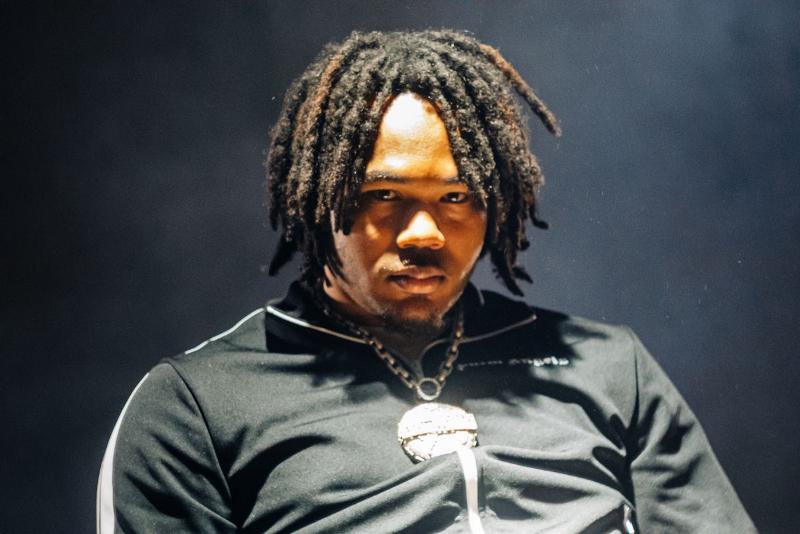
Lil Bean’s Spotify BioBay Area rapper Lil Bean came up in a supportive and closely knit rap scene, striking out in a big way regionally before gaining national attention. Funneling his lived experiences into clean, melodic songs, Lil Bean's music captured the pain, loss, and excitement of growing up in challenging surroundings, with projects like 2020 mixtape 4THECULTURE highlighting his emotionally resonant delivery and storytelling lyricism.
Lil Bean was raised in San Francisco's Geneva Towers housing project, surrounded at an early age by the sound of his father's records. In 2019, after absorbing the influence of that music collection -- which included Bay Area rappers like Mac Dre and Messy Mike -- the shy and retiring Lil Bean reluctantly began making music of his own, encouraged by friends who had been impressed by his freestyle skills. He had a regional hit with early track "Side of Me," made in collaboration with fellow Bay Area rapper ZayBang and released on his 2019 mixtape NastyCampaign. This… song put Lil Bean on the map, and he quickly followed with tracks like "Down 2 Ride" and mixtapes such as HoodHero and Hood Chronicles. His streaming numbers soon got into the millions, with new songs, videos, and releases arriving frequently.
2020's Campaign 2 included appearances from E-40 and 23Peezy, and throughout the year, Lil Bean collaborated with Shoreline Mafia, Sage the Gemini, SOB x RBE, and others. Before the year was over, he issued The Label, a mixtape made with ZayBang, as well as the shorter project 4THECULTURE. Lil Bean started off 2021 with the February release of the track "Jeff Hardy" with ShooterGang Kony, and returned later in the month with "Vital." ~ Fred Thomas
Viberate is a music analytics platform built for A&Rs, artist managers, labels, booking agents, marketers, and artists.
It helps music professionals track artist growth, analyze audience data, monitor playlist activity, compare artists, follow song performance, and identify opportunities across the music market.
Public artist pages provide a free preview of selected artist data. Paid plans provide access to deeper analytics, historical data, charts, comparisons, playlist tools, exports, alerts, reports, and additional professional features.
Yes. Public Viberate artist pages provide selected artist analytics and music data for free.
Viberate also offers a 7-day free trial of the full platform. A credit card is required to start the trial. The trial includes access to the complete product so users can test deeper artist analytics, historical views, playlist insights, comparisons, charts, exports, alerts, and reporting features before choosing a paid plan.
Viberate provides artist analytics across streaming, playlists, social media, video, radio airplay, songs, and audience markets.
Users can analyze Spotify performance, Spotify and Apple Music playlists, YouTube activity, TikTok and Instagram growth, radio spins, song performance, audience locations, demographics, rankings, and overall artist momentum.
Artist profiles also connect to music charts, similar artists, and comparison tools, helping users benchmark performance and evaluate artists in context.
Viberate updates key artist and track data daily.
For followed artists and tracks, selected data is refreshed multiple times per day. This helps teams monitor playlist changes, streaming movement, audience growth, releases, and campaign performance with more current data.
Update frequency can vary depending on the metric and data source.
Yes. Viberate lets users compare up to five artists side by side across streaming, social media, audience, and engagement metrics.
Users can compare fanbase growth, audience demographics, locations, Spotify performance, social metrics, and other artist data over selected time periods.
Artist comparison can be used for A&R scouting, benchmarking, booking decisions, campaign planning, and evaluating artists with similar audiences or market positions.