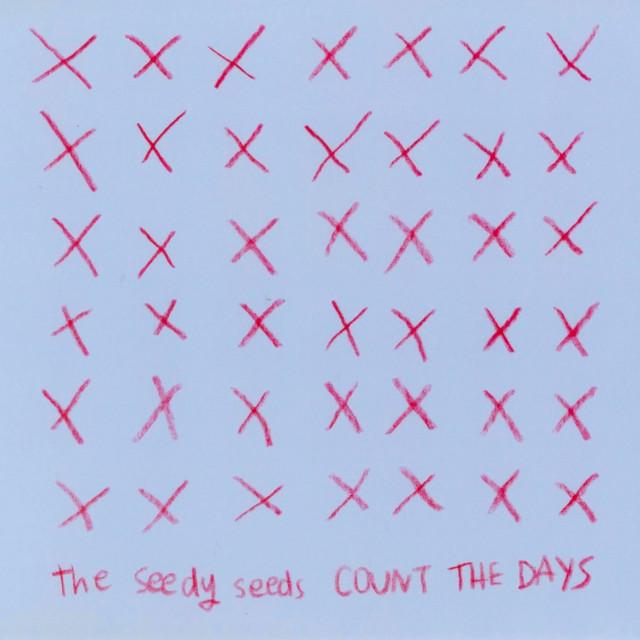
Lightning Love

Rock
Indie Rock
 Viberate Rank: 479435
 Viberate Rank: 479435
 Monthly ListenersFollowers
 Subscribers
 Followers
 Followers
 FansTop Spotify Songs
| Track | 7-Day Streams | |
|---|---|---|
1 | 32 | |
2 | 31 | |
3 | 18 | |
4 | 16 | |
5 | 14 |
Top YouTube VideosMonthly ListenersFeatured in Playlists| Playlist | Followers | |
|---|---|---|
1 | HAPPY SONGS FOR SAD DAYS by pixelbox el_tejo | 5.30K |
2 |  Indie Bedroom Pop & Soul George | 2.54K |
3 | Endless Indie Ryan | 1.81K |
4 |  [adult swim bumps] ineligibleproletariat | 1.60K |
5 |  Adult Swim Bump Music Steve | 1.31K |
Audience| City | Monthly Listeners | |
|---|---|---|
1 | | 13 |
2 | | 12 |
3 | | 10 |
4 | | 6 |
5 | | 4 |
See full performance history, audience data, playlist activity, rankings, comparisons, and more in Viberate music analytics. Start with a free trial, then continue with a paid plan.
Lightning Love’s Spotify BioLightning Love are an indie pop trio based in Ypsilanti, Michigan. The band came together in late 2006 when drummer/songwriter Aaron Diehl teamed up with guitarist/vocalist Ben Collins to flesh out a series of solo home demos his sister Leah Diehl had made using just piano and vocals. Leah's songs were the starting point for the band, blending her wispy twee-inflected vocals over straightforward minimal pop songs with self-deprecating and anxiety-ridden lyrics. The band played locally, quickly gaining a large following and releasing its debut album, November Birthday, in 2008. The band worked on new songs and toured constantly. In 2011 Lightning Love were among six semifinalists in a battle of the bands competition held by Billboard magazine in Las Vegas. Though Lightning Love were chosen through popular vote as the band to represent the Midwest in the contest, they lost out as the final winner to Gentlemen Hall, another unsigned indie act. Soon after this, the band returned to a time… of activity, releasing the Girls Who Look Like Me EP in January of 2012 and following with the sophomore full-length Blonde Album in August of the same year. ~ Fred Thomas, Rovi
Viberate is a music analytics platform built for A&Rs, artist managers, labels, booking agents, marketers, and artists.
It helps music professionals track artist growth, analyze audience data, monitor playlist activity, compare artists, follow song performance, and identify opportunities across the music market.
Public artist pages provide a free preview of selected artist data. Paid plans provide access to deeper analytics, historical data, charts, comparisons, playlist tools, exports, alerts, reports, and additional professional features.
Yes. Public Viberate artist pages provide selected artist analytics and music data for free.
Viberate also offers a 7-day free trial of the full platform. A credit card is required to start the trial. The trial includes access to the complete product so users can test deeper artist analytics, historical views, playlist insights, comparisons, charts, exports, alerts, and reporting features before choosing a paid plan.
Viberate provides artist analytics across streaming, playlists, social media, video, radio airplay, songs, and audience markets.
Users can analyze Spotify performance, Spotify and Apple Music playlists, YouTube activity, TikTok and Instagram growth, radio spins, song performance, audience locations, demographics, rankings, and overall artist momentum.
Artist profiles also connect to music charts, similar artists, and comparison tools, helping users benchmark performance and evaluate artists in context.
Viberate updates key artist and track data daily.
For followed artists and tracks, selected data is refreshed multiple times per day. This helps teams monitor playlist changes, streaming movement, audience growth, releases, and campaign performance with more current data.
Update frequency can vary depending on the metric and data source.
Yes. Viberate lets users compare up to five artists side by side across streaming, social media, audience, and engagement metrics.
Users can compare fanbase growth, audience demographics, locations, Spotify performance, social metrics, and other artist data over selected time periods.
Artist comparison can be used for A&R scouting, benchmarking, booking decisions, campaign planning, and evaluating artists with similar audiences or market positions.