Lightning Dust

Rock
Indie Rock
Alternative Rock
 Viberate Rank: 246948
 Viberate Rank: 246948
 Monthly ListenersFollowers
 Subscribers
 Followers
 Followers
 FansTop Spotify Songs
| Track | 7-Day Streams | |
|---|---|---|
1 | 738 | |
2 | 405 | |
3 | 388 | |
4 | 234 | |
5 | 195 |
Top YouTube Videos| Video | 7-Day Views | |
|---|---|---|
1 | 32 |
Monthly ListenersFeatured in Playlists| Playlist | Followers | |
|---|---|---|
1 | Skins UK 1-7 Raven Linnette | 13.46K |
2 |  Duyster (all tracks ever played) Wike | 8.15K |
3 | Paul Dahill | 6.52K |
4 |  Sleater-Kinney Selects: Women's History Month Edition Sleater-Kinney | 6.35K |
5 |  180 Grados Radio3 By Alexmonti90 y Virginia Diaz. Audrey M. Montilla | 4.73K |
Audience| City | Monthly Listeners | |
|---|---|---|
1 | | 91 |
2 |  | 90 |
3 | | 84 |
4 | | 77 |
5 |  | 74 |
See full performance history, audience data, playlist activity, rankings, comparisons, and more in Viberate music analytics. Start with a free trial, then continue with a paid plan.
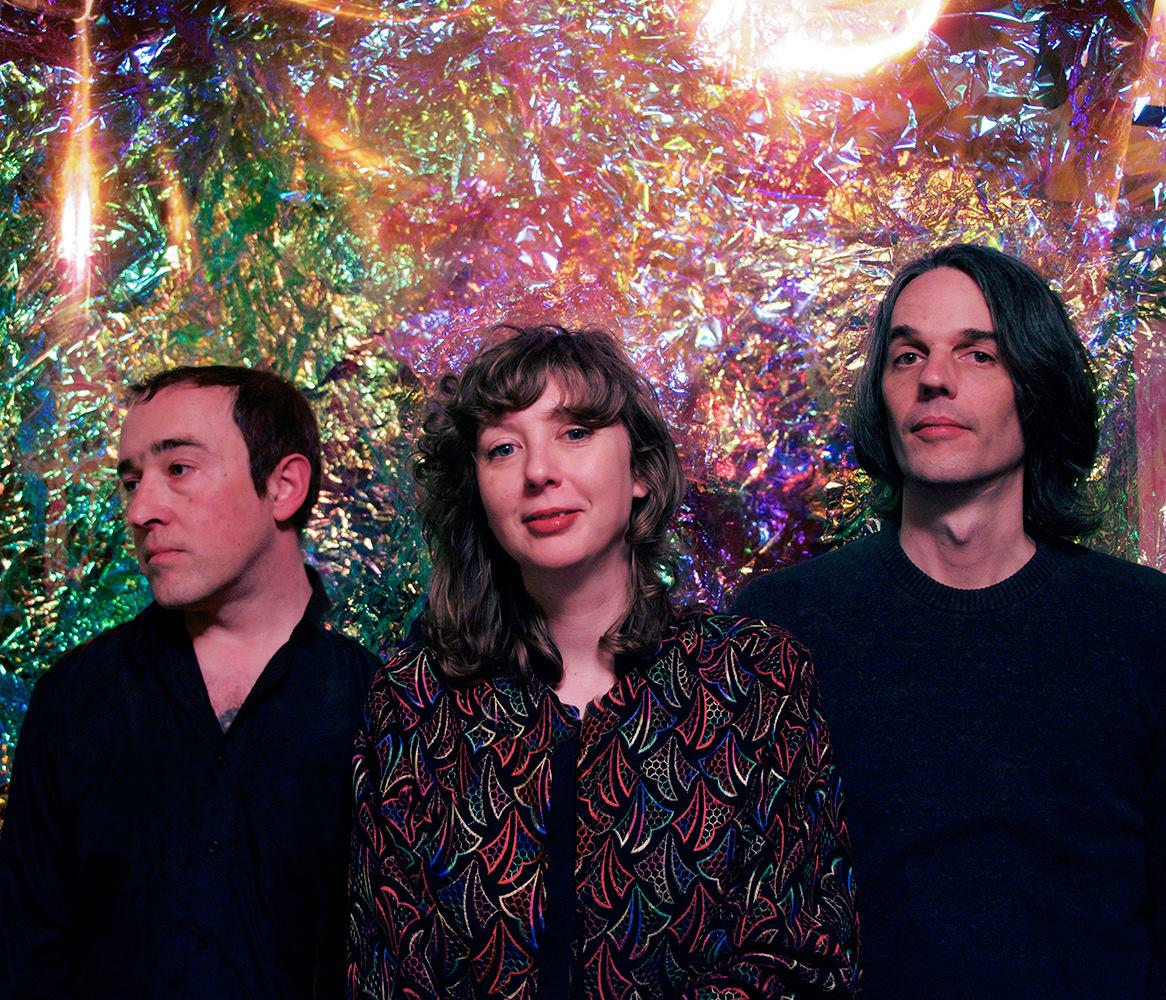
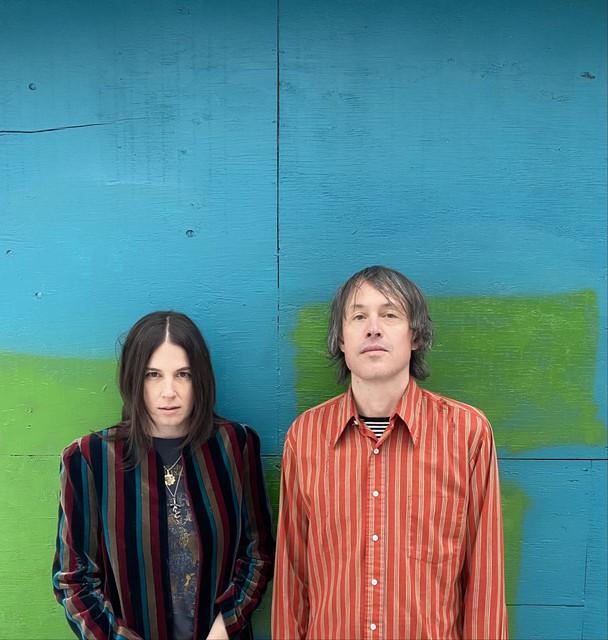
Lightning Dust’s Spotify BioDark and synth-friendly indie rock duo Lightning Dust started out as a side project for members of Vancouver heavy rock institution Black Mountain, but as years went by the project grew to become a primary focus. The band's brooding, atmospheric rock progressed on several albums, taking a turn toward more electronic elements on 2013's Fantasy, 2019's Spectre, and 2023's Nostalgia Killer.
Lightning Dust was formed in the mid-2000s by Amber Webber and Joshua Wells, both founding members of Black Mountain. The duo contrasted Black Mountain's loud and sinister guitar rock with a more subdued, folkier approach on their self-titled 2007 debut. They continued touring and recording with both projects, returning with the elegant and meditative sophomore album Infinite Light in 2009. In 2010, they were chosen by curator Matt Groening to perform at the All Tomorrow's Parties festival. Their third album Fantasy arrived in 2013, marking a sonic shift toward minimal electronic beats with synth… textures augmenting the band's sophisticated songcraft. In 2017, Webber and Wells parted ways with Black Mountain to focus on Lightning Dust full time. They spent the better part of the next year writing and refining their fourth album, Spectre, a collection of material that pushed their electronic templates into more experimental territory. The album was released in late 2019. The band planned a tour with David Berman's post-Silver Jews project Purple Mountains, but it was ultimately undone by Berman's death just months before the tour would have started.
Romantically linked for over a decade, Webber and Wells broke up later that year, and Lightning Dust was put on hiatus. The duo eventually elected to keep their musical relationship alive and recorded the tracks for their fifth album remotely in their respective home studios. Released in 2023, Nostalgia Killer saw Webber and Wells deliver an inventive and inward-looking set of potent synth-rockers with help from guitarist Rob Butterfield and violinist Meredith Bates. ~ Fred Thomas, Rovi
Viberate is a music analytics platform built for A&Rs, artist managers, labels, booking agents, marketers, and artists.
It helps music professionals track artist growth, analyze audience data, monitor playlist activity, compare artists, follow song performance, and identify opportunities across the music market.
Public artist pages provide a free preview of selected artist data. Paid plans provide access to deeper analytics, historical data, charts, comparisons, playlist tools, exports, alerts, reports, and additional professional features.
Yes. Public Viberate artist pages provide selected artist analytics and music data for free.
Viberate also offers a 7-day free trial of the full platform. A credit card is required to start the trial. The trial includes access to the complete product so users can test deeper artist analytics, historical views, playlist insights, comparisons, charts, exports, alerts, and reporting features before choosing a paid plan.
Viberate provides artist analytics across streaming, playlists, social media, video, radio airplay, songs, and audience markets.
Users can analyze Spotify performance, Spotify and Apple Music playlists, YouTube activity, TikTok and Instagram growth, radio spins, song performance, audience locations, demographics, rankings, and overall artist momentum.
Artist profiles also connect to music charts, similar artists, and comparison tools, helping users benchmark performance and evaluate artists in context.
Viberate updates key artist and track data daily.
For followed artists and tracks, selected data is refreshed multiple times per day. This helps teams monitor playlist changes, streaming movement, audience growth, releases, and campaign performance with more current data.
Update frequency can vary depending on the metric and data source.
Yes. Viberate lets users compare up to five artists side by side across streaming, social media, audience, and engagement metrics.
Users can compare fanbase growth, audience demographics, locations, Spotify performance, social metrics, and other artist data over selected time periods.
Artist comparison can be used for A&R scouting, benchmarking, booking decisions, campaign planning, and evaluating artists with similar audiences or market positions.