Light Conductor

Electronic
Downtempo
Ambient
 Viberate Rank: 461973
 Viberate Rank: 461973
 Monthly ListenersFollowers
 Subscribers
 Followers
 Followers
 FansTop Spotify Songs
| Track | 7-Day Streams | |
|---|---|---|
1 | 99 | |
2 | 59 | |
3 | 33 | |
4 | 13 | |
5 | 8 |
Top YouTube VideosMonthly ListenersFeatured in Playlists| Playlist | Followers | |
|---|---|---|
1 | KEXP ~ PACIFIC NOTIONS Hush Hush Records | 4.16K |
2 |  Dystopian Ambient Olivier Lalande | 2.17K |
3 | Ghost Stories For The End Of The World GSFTEOTW | 1.76K |
Audience| City | Monthly Listeners | |
|---|---|---|
1 | | 20 |
2 |  | 15 |
3 |  | 14 |
4 |  | 10 |
5 | | 9 |
See full performance history, audience data, playlist activity, rankings, comparisons, and more in Viberate music analytics. Start with a free trial, then continue with a paid plan.
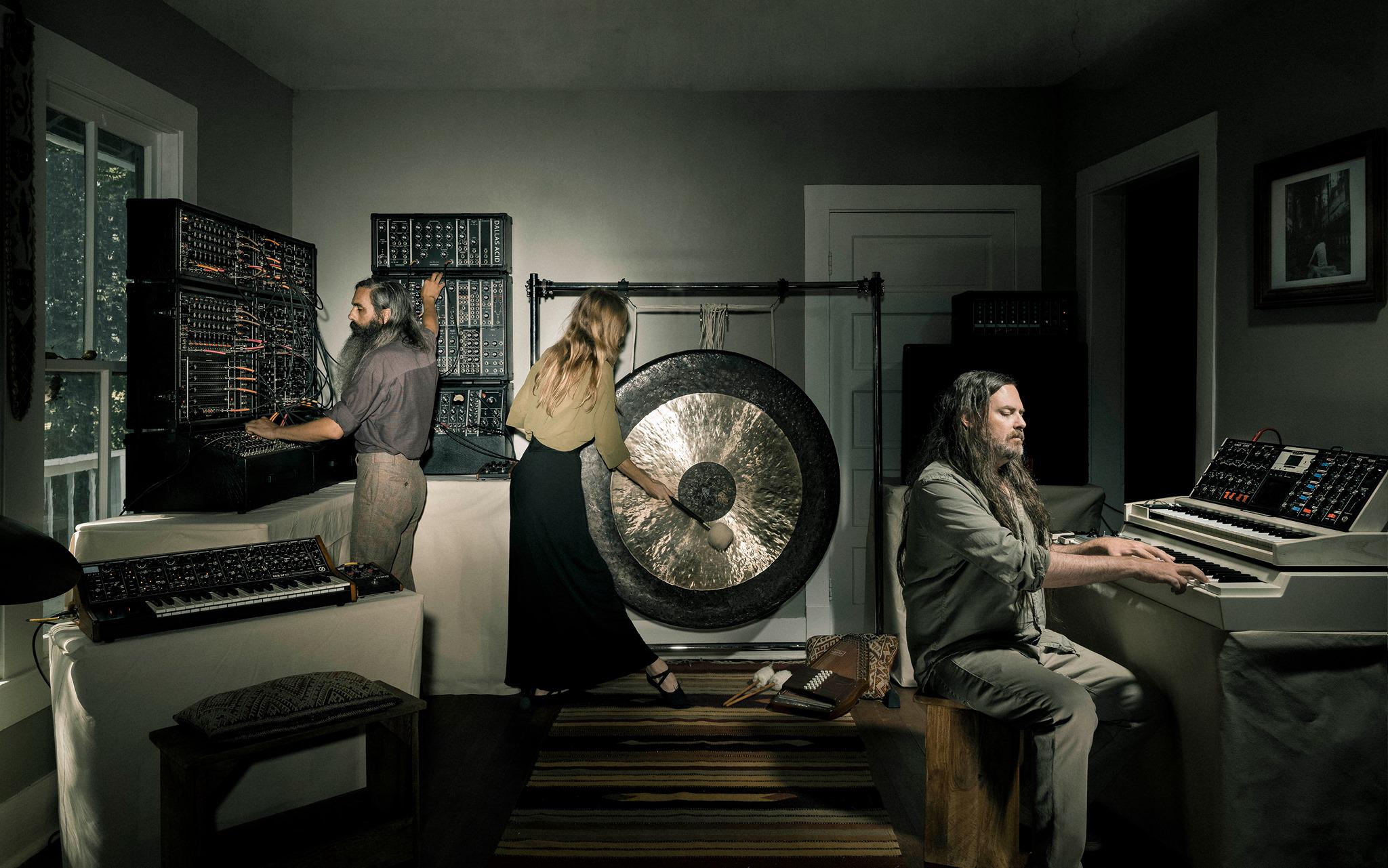
Light Conductor’s Spotify BioLight Conductor is the project of Jace Lasek (The Besnard Lakes) and Stephen Ramsay (Young Galaxy). An analog ambient synthesis exploration that began as an experiment while on mushrooms, Light Conductor started improvising with vintage synthesizers in Lasek’s Breakglass Studio in 2011. Realizing an deep and unfulfilled love of abstract atmospherics and the longform song format, Stephen and Jace’s unwinding melodies and hypnotic pulsations resulted in their first album Sequence One, released by Constellation Records in a gorgeous deluxe heavyweight vinyl edition in 2019. Sequence One is a collection of five long slow-burn tracks, culminating in the fuzzed-out psych-rock of the album’s final and eponymous track “Light Conductor”; the only song on with vocals.
Light Conductor’s 2021 sophomore album is aptly named Sequence Two. Obsessed with systems, and album-to-album continuity, Sequence Two mirrors the structural dynamic of their debut, this time opening with the 14-minute “Splitting… Light” which ends in an electro-prog crescendo marked by soaring stacked vocals that recall Jon Anderson/Yes and choral Bon Iver—again, the only 5 minutes of singing on an otherwise resolutely spaced-out instrumental album.
Viberate is a music analytics platform built for A&Rs, artist managers, labels, booking agents, marketers, and artists.
It helps music professionals track artist growth, analyze audience data, monitor playlist activity, compare artists, follow song performance, and identify opportunities across the music market.
Public artist pages provide a free preview of selected artist data. Paid plans provide access to deeper analytics, historical data, charts, comparisons, playlist tools, exports, alerts, reports, and additional professional features.
Yes. Public Viberate artist pages provide selected artist analytics and music data for free.
Viberate also offers a 7-day free trial of the full platform. A credit card is required to start the trial. The trial includes access to the complete product so users can test deeper artist analytics, historical views, playlist insights, comparisons, charts, exports, alerts, and reporting features before choosing a paid plan.
Viberate provides artist analytics across streaming, playlists, social media, video, radio airplay, songs, and audience markets.
Users can analyze Spotify performance, Spotify and Apple Music playlists, YouTube activity, TikTok and Instagram growth, radio spins, song performance, audience locations, demographics, rankings, and overall artist momentum.
Artist profiles also connect to music charts, similar artists, and comparison tools, helping users benchmark performance and evaluate artists in context.
Viberate updates key artist and track data daily.
For followed artists and tracks, selected data is refreshed multiple times per day. This helps teams monitor playlist changes, streaming movement, audience growth, releases, and campaign performance with more current data.
Update frequency can vary depending on the metric and data source.
Yes. Viberate lets users compare up to five artists side by side across streaming, social media, audience, and engagement metrics.
Users can compare fanbase growth, audience demographics, locations, Spotify performance, social metrics, and other artist data over selected time periods.
Artist comparison can be used for A&R scouting, benchmarking, booking decisions, campaign planning, and evaluating artists with similar audiences or market positions.