Life In Vacuum

Rock
Indie Rock
Noise Rock
 Viberate Rank: 441724
 Viberate Rank: 441724
 Monthly ListenersFollowers
 Subscribers
 Followers
 Followers
 FansTop Spotify Songs
| Track | 7-Day Streams | |
|---|---|---|
1 | 75 | |
2 | 44 | |
3 | 39 | |
4 | 35 | |
5 | 24 |
Top YouTube VideosMonthly ListenersFeatured in Playlists| Playlist | Followers | |
|---|---|---|
1 |  Alternative Attack Mega Hits | 13.62K |
2 | NEW MUSIC: Punk (2026) Daily Fresh Finds | 1.57K |
3 |  Best New Music Daily Fresh Finds | 1.36K |
Audience| City | Monthly Listeners | |
|---|---|---|
1 |  | 202 |
2 |  | 71 |
3 | | 70 |
4 | | 57 |
5 |  | 51 |
See full performance history, audience data, playlist activity, rankings, comparisons, and more in Viberate music analytics. Start with a free trial, then continue with a paid plan.
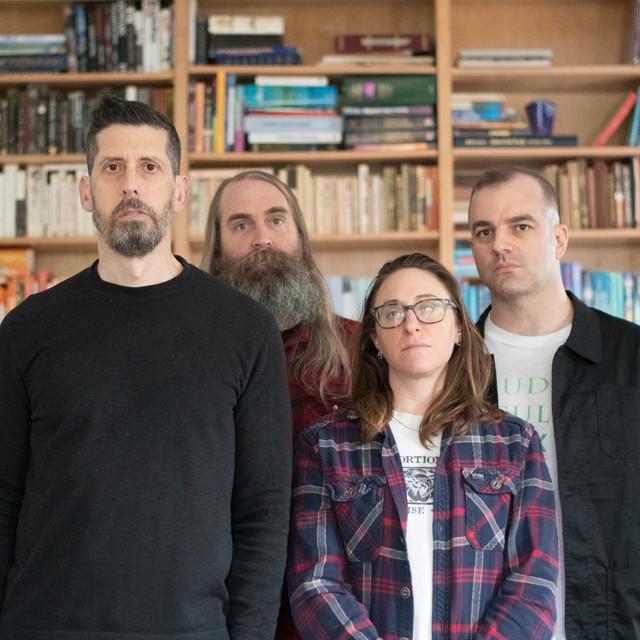
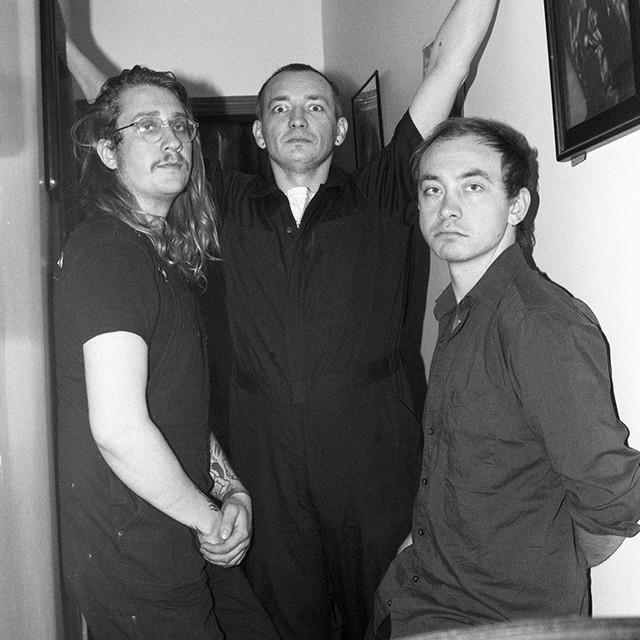
Life In Vacuum’s Spotify BioBrothers Ross and Sasha Chornyy never played music together in their native Ukraine, though that changed upon immigrating to Canada in 2004. The pair – Ross on drums and Sasha on guitar and vocals – formed a band that was admittedly far removed from Life in Vacuum’s perfectly calculated chaos; then, they were introduced to acts like At the Drive-In, The Mars Volta, and Refused, and everything changed. “The idea was always kind of rooted in punk, but we were set on experimenting with different sounds and styles and effects,” Sasha explains. In fall 2019 Alex Clark stepped in on bass duty completing the latest line up and the band continued touring throughout the year. They started working on new material for the next LP and nurtured the tracks throughout the pandemic. Looking to add a fresh perspective from outside their sonic realm, Life In Vacuum joined forces with producer/engineer Graham Walsh (Metz, Dilly Dally, Holy Fuck, Preoccupations, Bloc Party) The result is “Lost” which… might be 10 most eloquent and defined tracks the band has been able to deliver to date. Life In Vacuum have long embodied that idea, touring rigorously in their time together and bringing their high-energy, piss-and-vinegar performances everywhere, from raucous house shows in sweaty Toronto basements to tours throughout the U.S., Europe, and South America. They’ve shared stages with the likes of MeWithoutYou, PUP, Metz, …The Trail Of Dead, Birds In Row and more.
Viberate is a music analytics platform built for A&Rs, artist managers, labels, booking agents, marketers, and artists.
It helps music professionals track artist growth, analyze audience data, monitor playlist activity, compare artists, follow song performance, and identify opportunities across the music market.
Public artist pages provide a free preview of selected artist data. Paid plans provide access to deeper analytics, historical data, charts, comparisons, playlist tools, exports, alerts, reports, and additional professional features.
Yes. Public Viberate artist pages provide selected artist analytics and music data for free.
Viberate also offers a 7-day free trial of the full platform. A credit card is required to start the trial. The trial includes access to the complete product so users can test deeper artist analytics, historical views, playlist insights, comparisons, charts, exports, alerts, and reporting features before choosing a paid plan.
Viberate provides artist analytics across streaming, playlists, social media, video, radio airplay, songs, and audience markets.
Users can analyze Spotify performance, Spotify and Apple Music playlists, YouTube activity, TikTok and Instagram growth, radio spins, song performance, audience locations, demographics, rankings, and overall artist momentum.
Artist profiles also connect to music charts, similar artists, and comparison tools, helping users benchmark performance and evaluate artists in context.
Viberate updates key artist and track data daily.
For followed artists and tracks, selected data is refreshed multiple times per day. This helps teams monitor playlist changes, streaming movement, audience growth, releases, and campaign performance with more current data.
Update frequency can vary depending on the metric and data source.
Yes. Viberate lets users compare up to five artists side by side across streaming, social media, audience, and engagement metrics.
Users can compare fanbase growth, audience demographics, locations, Spotify performance, social metrics, and other artist data over selected time periods.
Artist comparison can be used for A&R scouting, benchmarking, booking decisions, campaign planning, and evaluating artists with similar audiences or market positions.