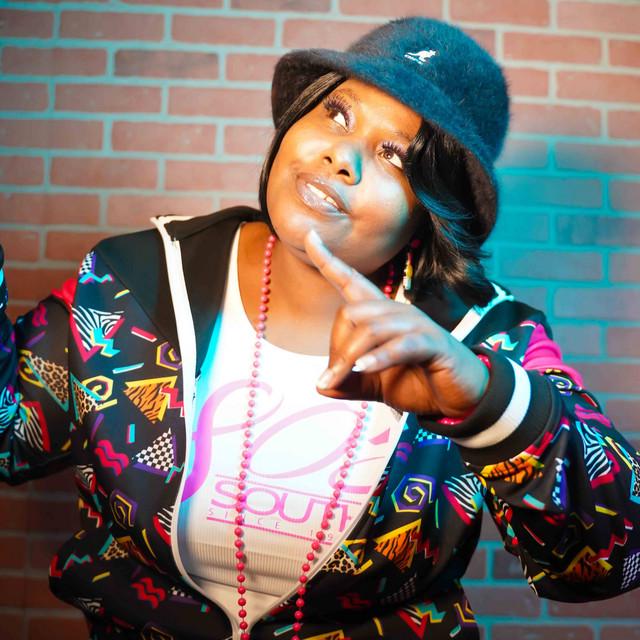
Lexxah Drew

R&B
Contemporary R&B
 Viberate Rank: 567807
 Viberate Rank: 567807
 Monthly ListenersFollowers
 Subscribers
 Followers
 Followers
 FansTop Spotify Songs
| Track | 7-Day Streams | |
|---|---|---|
1 | 2 | |
2 | 1 |
Top YouTube Videos| Video | 7-Day Views | |
|---|---|---|
1 | 10 | |
2 | 4 | |
3 | 1 | |
4 | 1 | |
5 | 1 |
Monthly ListenersFeatured in Playlists| Playlist | Followers | |
|---|---|---|
1 |  Rolling Stone rolly_depp | 14.10K |
2 |  The Hot 100 | Top 100 Song marshallwhite | 10.13K |
3 |  This Is Younger Music Spotify | 6.57K |
4 |  Top Hits rolly_depp | 3.40K |
5 |  Bored on a Friday Phyzi Sekhem Ma'at | 3.40K |
Audience| City | Monthly Listeners | |
|---|---|---|
1 | | 811 |
2 | | 752 |
3 | | 399 |
4 | | 330 |
5 | | 146 |
See full performance history, audience data, playlist activity, rankings, comparisons, and more in Viberate music analytics. Start with a free trial, then continue with a paid plan.
Lexxah Drew’s Spotify BioWhen you say her name, think of it as a phrase, "LeXXah drew". Its past tense and she's on to her next musical art piece on that musical canvas. It is that moment you realize after you hear her unique sound you say to yourself, "LeXXah drew it!"
LeXXah Drew is an eclectic songwriter and diverse range vocalist from Muhammad Ali's city, Louisville, KY. LeXXah Drew admires the sounds of Beyonce, Taylor Swift, Whitney Houston, Katie Perry, Lady Gaga and is influenced by Mary J Blige, Missy Elliot, MC Lyte and Lauryn Hill to name a few.
LeXXah Drew considers her sound in basketball terms, "positionless" because her songwriting and vocal abilities can fit into cross-genres. Being solid in many genres displays the level of her creativity. She can give you Pop, hiphop, jazz, urban, R&B, EDM, country, even opera if that is your cup of tea, all within the course of a record.
She thinks of herself as the Bruce Lee of songwriting, she adapts to different styles and has the ability to elevate stepping… out of the pocket. She has the elements of a pocket pass first and running Quarterback. It makes for great entertainment and a breathtaking display of her music.
Viberate is a music analytics platform built for A&Rs, artist managers, labels, booking agents, marketers, and artists.
It helps music professionals track artist growth, analyze audience data, monitor playlist activity, compare artists, follow song performance, and identify opportunities across the music market.
Public artist pages provide a free preview of selected artist data. Paid plans provide access to deeper analytics, historical data, charts, comparisons, playlist tools, exports, alerts, reports, and additional professional features.
Yes. Public Viberate artist pages provide selected artist analytics and music data for free.
Viberate also offers a 7-day free trial of the full platform. A credit card is required to start the trial. The trial includes access to the complete product so users can test deeper artist analytics, historical views, playlist insights, comparisons, charts, exports, alerts, and reporting features before choosing a paid plan.
Viberate provides artist analytics across streaming, playlists, social media, video, radio airplay, songs, and audience markets.
Users can analyze Spotify performance, Spotify and Apple Music playlists, YouTube activity, TikTok and Instagram growth, radio spins, song performance, audience locations, demographics, rankings, and overall artist momentum.
Artist profiles also connect to music charts, similar artists, and comparison tools, helping users benchmark performance and evaluate artists in context.
Viberate updates key artist and track data daily.
For followed artists and tracks, selected data is refreshed multiple times per day. This helps teams monitor playlist changes, streaming movement, audience growth, releases, and campaign performance with more current data.
Update frequency can vary depending on the metric and data source.
Yes. Viberate lets users compare up to five artists side by side across streaming, social media, audience, and engagement metrics.
Users can compare fanbase growth, audience demographics, locations, Spotify performance, social metrics, and other artist data over selected time periods.
Artist comparison can be used for A&R scouting, benchmarking, booking decisions, campaign planning, and evaluating artists with similar audiences or market positions.