Lewski

Electronic
House
Breakbeat
 Viberate Rank: 600957
 Viberate Rank: 600957
 Monthly ListenersFollowers
 Subscribers
 Followers
 Followers
 FansTop Spotify Songs
| Track | 7-Day Streams | |
|---|---|---|
1 | 28 | |
2 | 24 | |
3 | 17 | |
4 | 16 | |
5 | 6 |
Top YouTube VideosMonthly ListenersFeatured in Playlists| Playlist | Followers | |
|---|---|---|
1 |  Les Yeux Orange Mirror.FM | 3.08K |
2 |  Modern Acid I Love Acid | 2.81K |
3 |  Dixon b2b Âme🇮🇱 Albert Haddad | 2.42K |
4 |  Raji Rags NTS collection Raji Rags | 2.10K |
5 |  Moxie - NTS NTS ᵇᵒᵗ (killed 2026/03) | 1.98K |
Audience| City | Monthly Listeners | |
|---|---|---|
1 |  | 21 |
2 | | 14 |
3 |  | 14 |
4 |  | 11 |
5 |  | 7 |
See full performance history, audience data, playlist activity, rankings, comparisons, and more in Viberate music analytics. Start with a free trial, then continue with a paid plan.
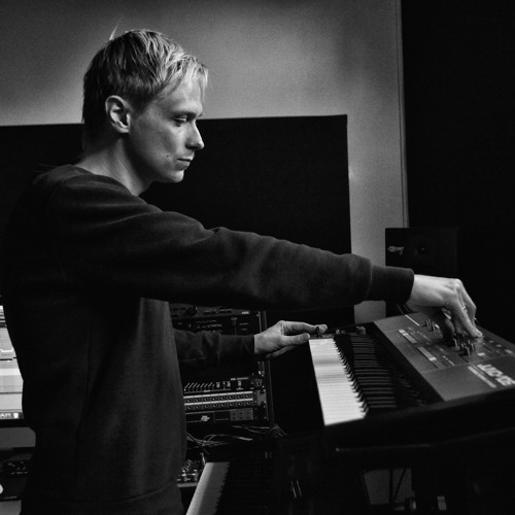
Lewski’s Spotify BioLewski first emerged in 2017 with a debut release on Amsterdam-based label Patron Records, supported by Ben UFO and DJ Stingray. This was followed by a release on Darko Esser’s Wolfskuil label. In 2019, he released the first record on Or:la’s newly founded label Céad.
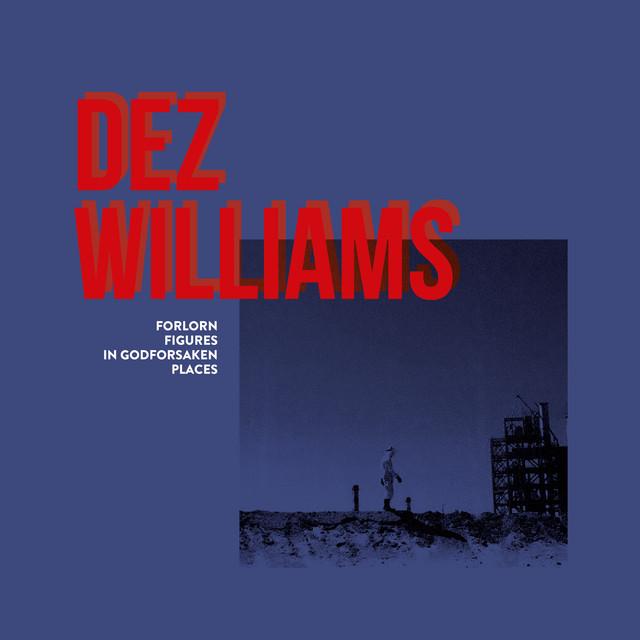
He gained wider recognition with the track ‘Artificial Beings’, supported by Helena Hauff and featured on Laurent Garnier’s Tsugi Electro mix CD, as well as the Bicameral Mind EP, both released on Patron Records.
From 2020 onwards, Lewski has released club tracks on Coloray’s Intercept and Berlin-based Sävy Records. In 2026, he will release an EP on Carista’s United Identities.
Based in Zaltbommel, Lewski has played at venues and events including De School, Zeezout, Awakenings, Twitch in Belfast, and Utrecht’s WAS, where he made his Boiler Room debut.
Lewski’s DJ sets move between electro, techno and breaks, with a focus on rhythm, tension and momentum.
Viberate is a music analytics platform built for A&Rs, artist managers, labels, booking agents, marketers, and artists.
It helps music professionals track artist growth, analyze audience data, monitor playlist activity, compare artists, follow song performance, and identify opportunities across the music market.
Public artist pages provide a free preview of selected artist data. Paid plans provide access to deeper analytics, historical data, charts, comparisons, playlist tools, exports, alerts, reports, and additional professional features.
Yes. Public Viberate artist pages provide selected artist analytics and music data for free.
Viberate also offers a 7-day free trial of the full platform. A credit card is required to start the trial. The trial includes access to the complete product so users can test deeper artist analytics, historical views, playlist insights, comparisons, charts, exports, alerts, and reporting features before choosing a paid plan.
Viberate provides artist analytics across streaming, playlists, social media, video, radio airplay, songs, and audience markets.
Users can analyze Spotify performance, Spotify and Apple Music playlists, YouTube activity, TikTok and Instagram growth, radio spins, song performance, audience locations, demographics, rankings, and overall artist momentum.
Artist profiles also connect to music charts, similar artists, and comparison tools, helping users benchmark performance and evaluate artists in context.
Viberate updates key artist and track data daily.
For followed artists and tracks, selected data is refreshed multiple times per day. This helps teams monitor playlist changes, streaming movement, audience growth, releases, and campaign performance with more current data.
Update frequency can vary depending on the metric and data source.
Yes. Viberate lets users compare up to five artists side by side across streaming, social media, audience, and engagement metrics.
Users can compare fanbase growth, audience demographics, locations, Spotify performance, social metrics, and other artist data over selected time periods.
Artist comparison can be used for A&R scouting, benchmarking, booking decisions, campaign planning, and evaluating artists with similar audiences or market positions.