Let's Go Sailing

Pop
Indie Pop
 Viberate Rank: 434779
 Viberate Rank: 434779
 Monthly ListenersFollowers
 Subscribers
 Followers
 Followers
 FansTop Spotify Songs
| Track | 7-Day Streams | |
|---|---|---|
1 | 579 | |
2 | 508 | |
3 | 166 | |
4 | 116 | |
5 | 61 |
Top YouTube VideosMonthly ListenersFeatured in Playlists| Playlist | Followers | |
|---|---|---|
1 | lisa_anthem | 35.27K |
2 | OTH Playlist Emilee Brandt | 16.94K |
3 |  grey's anatomy seasons 1 - 3 Cate Luna | 13.36K |
4 | Grey’s Rachel | 8.14K |
5 |  Grey's Anatomy full soundtrack Czarnooka | 6.48K |
Audience| City | Monthly Listeners | |
|---|---|---|
1 | | 47 |
2 |  | 43 |
3 | | 31 |
4 | | 28 |
5 |  | 27 |
See full performance history, audience data, playlist activity, rankings, comparisons, and more in Viberate music analytics. Start with a free trial, then continue with a paid plan.
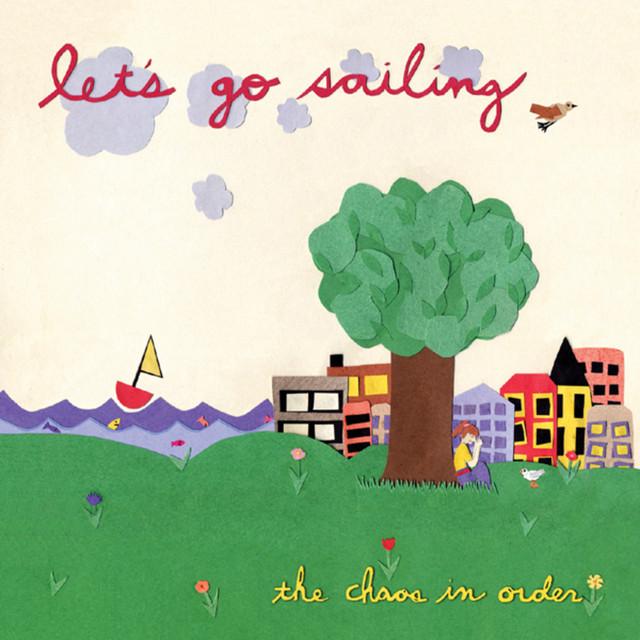
Let's Go Sailing’s Spotify BioThe quietly magnificent L.A. indie pop band Let's Go Sailing formed in 2002 and released their sweet but world-weary debut, The Chaos in Order, in April 2007. The years between weren't spent holed up in a studio perfecting subtle songs: singer/songwriter Shana Levy, together with guitarist Brent Turner, bassist Nikki Monninger, cellist Tanya Haden, and drummer Byron Reynolds, steadily played a wide range of California venues, and even raves -- during one performance, Courtney Love took the stage and joined in for a song. And the Flaming Lips became such devoted fans they played Let's Go Sailing demos as between-set music during shows.
Let's Go Sailing's lilting, thoughtful aesthetic is derived in part from Levy's musical training -- as a child, she studied classical piano. When she left for college, easy access to a piano disappeared so, inspired by Elliott Smith, she took to songwriting as a creative outlet. Her gift for putting quirky but relatable thoughts to paper never left her,… but after college she returned to keyboards -- acts from Rilo Kiley to Dios Malos enlisted her, and she also joined the indie band Irving. The call to perform her own songs never left her, though. When she enlisted Haden, Monninger, Turner, and Reynolds to help her piece together her growing stack of bittersweet compositions, Let's Go Sailing were born.
The band's name speaks to Levy's affinity for the bittersweet: "When I was a kid we had a sailboat. My brother and I would drag these little plastic boats along in the water next to our boat and pretend there were little people in them," she said. "My dad put a bumper sticker on his Ford Elite that said, 'Let's go sailing.' A few years later there was a hurricane and we had to leave our house. When we came home, the back yard was trashed. And the boat was ruined; only half of it was sticking out of the water. I didn't realize how fondly I'd look back on those times when we took the boat out." ~ Tammy La Gorce
Viberate is a music analytics platform built for A&Rs, artist managers, labels, booking agents, marketers, and artists.
It helps music professionals track artist growth, analyze audience data, monitor playlist activity, compare artists, follow song performance, and identify opportunities across the music market.
Public artist pages provide a free preview of selected artist data. Paid plans provide access to deeper analytics, historical data, charts, comparisons, playlist tools, exports, alerts, reports, and additional professional features.
Yes. Public Viberate artist pages provide selected artist analytics and music data for free.
Viberate also offers a 7-day free trial of the full platform. A credit card is required to start the trial. The trial includes access to the complete product so users can test deeper artist analytics, historical views, playlist insights, comparisons, charts, exports, alerts, and reporting features before choosing a paid plan.
Viberate provides artist analytics across streaming, playlists, social media, video, radio airplay, songs, and audience markets.
Users can analyze Spotify performance, Spotify and Apple Music playlists, YouTube activity, TikTok and Instagram growth, radio spins, song performance, audience locations, demographics, rankings, and overall artist momentum.
Artist profiles also connect to music charts, similar artists, and comparison tools, helping users benchmark performance and evaluate artists in context.
Viberate updates key artist and track data daily.
For followed artists and tracks, selected data is refreshed multiple times per day. This helps teams monitor playlist changes, streaming movement, audience growth, releases, and campaign performance with more current data.
Update frequency can vary depending on the metric and data source.
Yes. Viberate lets users compare up to five artists side by side across streaming, social media, audience, and engagement metrics.
Users can compare fanbase growth, audience demographics, locations, Spotify performance, social metrics, and other artist data over selected time periods.
Artist comparison can be used for A&R scouting, benchmarking, booking decisions, campaign planning, and evaluating artists with similar audiences or market positions.