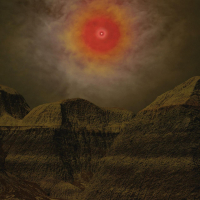
Lesser Glow

Metal
Doom/Sludge Metal
 Viberate Rank: 537593
 Viberate Rank: 537593
 Monthly ListenersFollowers
 Subscribers
 Followers
 Followers
 FansTop Spotify Songs
| Track | 7-Day Streams | |
|---|---|---|
1 | 17 | |
2 | 11 | |
3 | 8 | |
4 | 6 | |
5 | 5 |
Top YouTube VideosMonthly ListenersFeatured in Playlists| Playlist | Followers | |
|---|---|---|
1 | RR-02 Unknown Mortal Orchestra | 1.36K |
2 |  Doom | Sludge | Black Metal | Post-Metal | Stoner | Death Metal gaya.kessler | 1.26K |
3 |  Pelagic Records Veil of Sound Playlists | 1.07K |
Audience| City | Monthly Listeners | |
|---|---|---|
1 |  | 3 |
See full performance history, audience data, playlist activity, rankings, comparisons, and more in Viberate music analytics. Start with a free trial, then continue with a paid plan.
Lesser Glow’s Spotify BioLESSER GLOW was born from an ever- growing sea of noise, swirling together the sounds of humanity into a churning vat of anonymity, in which as individuals, sometimes we are drowning.
The Boston five-piece's debut album “Ruined” made waves in 2018: a “felicitous nihilistic debut coup” (Metal Hammer) containing “the best doom single of the year” (Visions), making “the excitement of what they might come up with on their sophomore release nearly unbearable upon first listen” (Ghost Cult).
Well, here it is: “Nullity” brings an undeniable heaviness, with lyrics and music coexisting in the same beautiful, dynamic and volatile space. Heavy but not excessive. Massive yet not gratuitous.
Meticulous. Focused. Direct.
“Nullity” is based around the concept of human beings existing on earth as parasites. The scope both widens and focuses throughout the course of the record, touching on creation myths, existence within nature, interpersonal and internal struggles, and finishing out with the mass… extinction/cleansing of mankind.
With their upcoming sophomore album “Nullity”, Lesser Glow rips open a massively wide and confident blend of traditional doom meets melodic metal, paired with the likes of hardcore, post hardcore, noise rock, post rock and beyond. Molding all these into one cohesive mix, LESSER GLOW stand out as a refreshing and unapologetically brutal take on heavy music.
Viberate is a music analytics platform built for A&Rs, artist managers, labels, booking agents, marketers, and artists.
It helps music professionals track artist growth, analyze audience data, monitor playlist activity, compare artists, follow song performance, and identify opportunities across the music market.
Public artist pages provide a free preview of selected artist data. Paid plans provide access to deeper analytics, historical data, charts, comparisons, playlist tools, exports, alerts, reports, and additional professional features.
Yes. Public Viberate artist pages provide selected artist analytics and music data for free.
Viberate also offers a 7-day free trial of the full platform. A credit card is required to start the trial. The trial includes access to the complete product so users can test deeper artist analytics, historical views, playlist insights, comparisons, charts, exports, alerts, and reporting features before choosing a paid plan.
Viberate provides artist analytics across streaming, playlists, social media, video, radio airplay, songs, and audience markets.
Users can analyze Spotify performance, Spotify and Apple Music playlists, YouTube activity, TikTok and Instagram growth, radio spins, song performance, audience locations, demographics, rankings, and overall artist momentum.
Artist profiles also connect to music charts, similar artists, and comparison tools, helping users benchmark performance and evaluate artists in context.
Viberate updates key artist and track data daily.
For followed artists and tracks, selected data is refreshed multiple times per day. This helps teams monitor playlist changes, streaming movement, audience growth, releases, and campaign performance with more current data.
Update frequency can vary depending on the metric and data source.
Yes. Viberate lets users compare up to five artists side by side across streaming, social media, audience, and engagement metrics.
Users can compare fanbase growth, audience demographics, locations, Spotify performance, social metrics, and other artist data over selected time periods.
Artist comparison can be used for A&R scouting, benchmarking, booking decisions, campaign planning, and evaluating artists with similar audiences or market positions.