Less Bells

Electronic
Other Electronic Music
Ambient
 Viberate Rank: 634280
 Viberate Rank: 634280
 Monthly ListenersFollowers
 Subscribers
 Followers
 Followers
 FansTop Spotify Songs
| Track | 7-Day Streams | |
|---|---|---|
1 | 31 | |
2 | 11 | |
3 | 8 | |
4 | 7 | |
5 | 6 |
Top YouTube VideosMonthly ListenersFeatured in Playlists| Playlist | Followers | |
|---|---|---|
1 |  Bee Movie Justas Janušauskas | 28.31K |
2 | KEXP ~ PACIFIC NOTIONS Hush Hush Records | 4.16K |
3 |  Maior Playlist do Mundo Iohanan Carvalho | 4.16K |
4 |  Contemporary Classical / Piano / Post-Classical Robby Gilson | 2.98K |
5 | Best of Contemporary Classical & Modern Composition Robby Gilson | 2.64K |
Audience| City | Monthly Listeners | |
|---|---|---|
1 |  | 4 |
2 | | 4 |
3 |  | 3 |
4 | | 3 |
5 | | 3 |
See full performance history, audience data, playlist activity, rankings, comparisons, and more in Viberate music analytics. Start with a free trial, then continue with a paid plan.
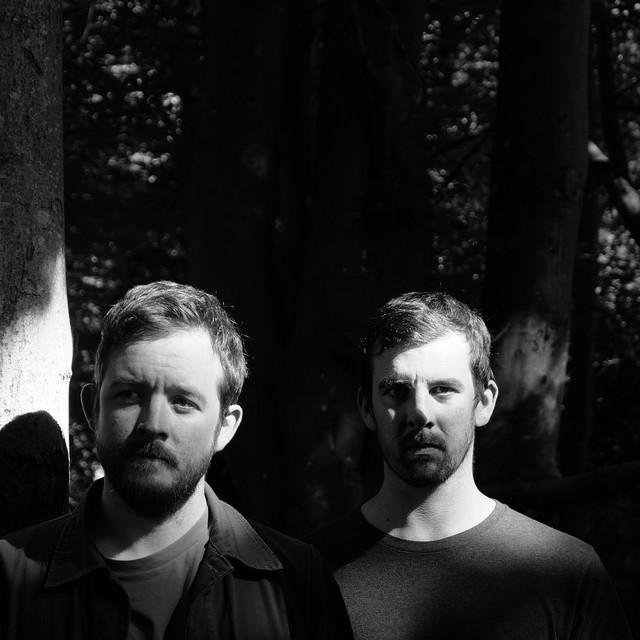
Less Bells’ Spotify BioJulie Carpenter and Dain Luscombe formed Less Bells when they left Los Angeles and settled in the California desert of Joshua Tree. Carpenter had been a session violinist, and toured with artists such as Love with Arthur Lee, Eels, Spiritualized and more. Luscombe was composing for tv and film, and had toured as a keyboardist as well with Marjorie Fair and Bell Gardens. Taking their newfound space and time to explore, the duo gave free rein to their eclectic musical interests.
Less Bells pulls from American folk, classical music, experimental electronica, and European folk traditions as well. The hurdy gurdy drones along with the Buchla synth; violins and cellos twine along with coyote howls and gusts of wind recorded in the wilderness outside the studio. Their background in soundtrack music has shaped their creative output as well, and the music often has a cinematic, narrative quality which speaks of landscapes both beautiful and frightening.
Viberate is a music analytics platform built for A&Rs, artist managers, labels, booking agents, marketers, and artists.
It helps music professionals track artist growth, analyze audience data, monitor playlist activity, compare artists, follow song performance, and identify opportunities across the music market.
Public artist pages provide a free preview of selected artist data. Paid plans provide access to deeper analytics, historical data, charts, comparisons, playlist tools, exports, alerts, reports, and additional professional features.
Yes. Public Viberate artist pages provide selected artist analytics and music data for free.
Viberate also offers a 7-day free trial of the full platform. A credit card is required to start the trial. The trial includes access to the complete product so users can test deeper artist analytics, historical views, playlist insights, comparisons, charts, exports, alerts, and reporting features before choosing a paid plan.
Viberate provides artist analytics across streaming, playlists, social media, video, radio airplay, songs, and audience markets.
Users can analyze Spotify performance, Spotify and Apple Music playlists, YouTube activity, TikTok and Instagram growth, radio spins, song performance, audience locations, demographics, rankings, and overall artist momentum.
Artist profiles also connect to music charts, similar artists, and comparison tools, helping users benchmark performance and evaluate artists in context.
Viberate updates key artist and track data daily.
For followed artists and tracks, selected data is refreshed multiple times per day. This helps teams monitor playlist changes, streaming movement, audience growth, releases, and campaign performance with more current data.
Update frequency can vary depending on the metric and data source.
Yes. Viberate lets users compare up to five artists side by side across streaming, social media, audience, and engagement metrics.
Users can compare fanbase growth, audience demographics, locations, Spotify performance, social metrics, and other artist data over selected time periods.
Artist comparison can be used for A&R scouting, benchmarking, booking decisions, campaign planning, and evaluating artists with similar audiences or market positions.