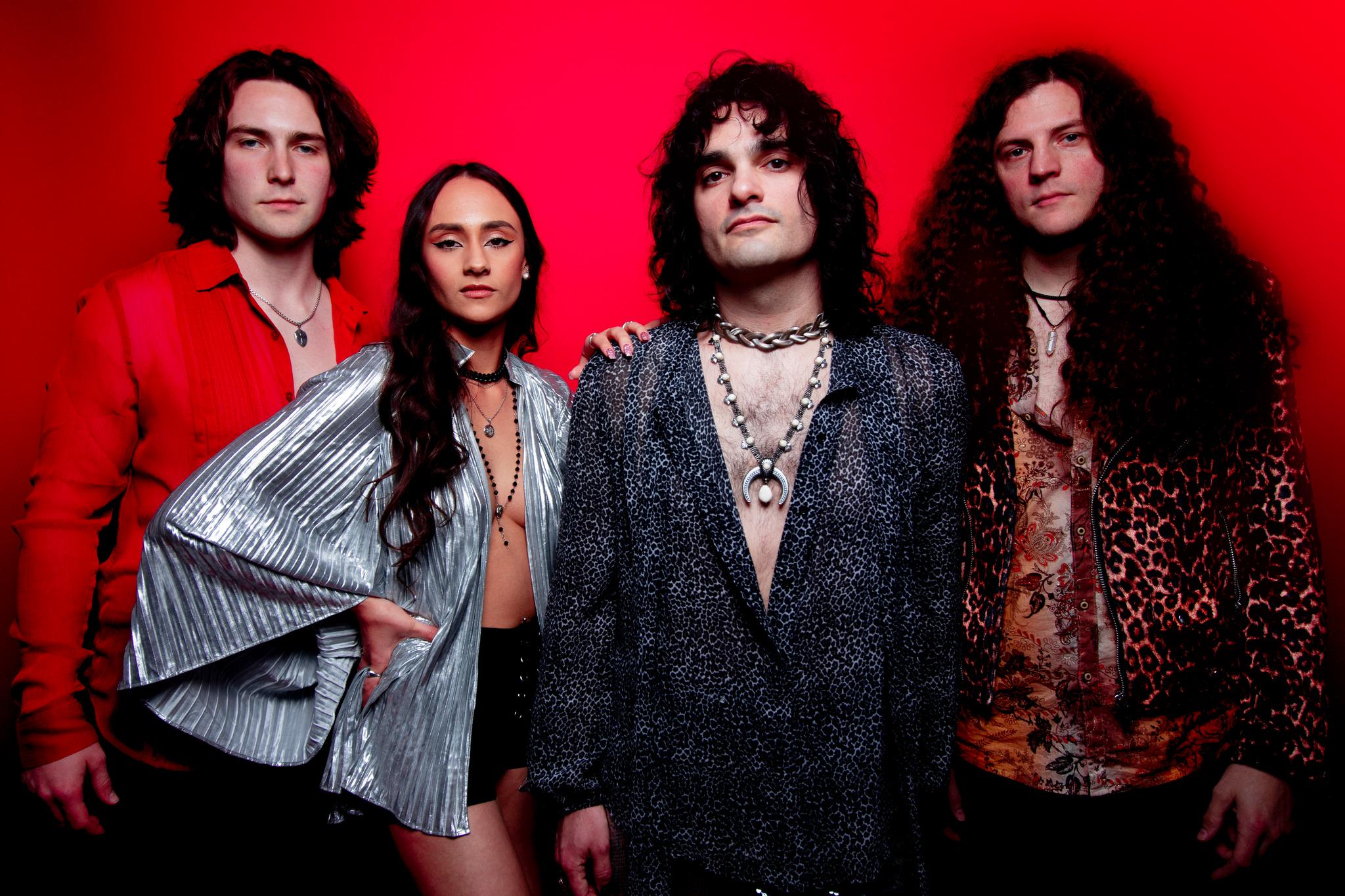
Leroy Jönsson

Pop
Indie Pop
Folk Rock
 Viberate Rank: 435273
 Viberate Rank: 435273
 Monthly ListenersFollowers
 Subscribers
 Followers
 Followers
 FansTop Spotify Songs
| Track | 7-Day Streams | |
|---|---|---|
1 | 3.80K | |
2 | 24 | |
3 | 23 | |
4 | 13 | |
5 | 6 |
Top YouTube Videos| Video | 7-Day Views | |
|---|---|---|
1 | 9 | |
2 | 9 | |
3 | 8 | |
4 | 7 | |
5 | 5 |
Monthly ListenersFeatured in PlaylistsAudience| City | Monthly Listeners | |
|---|---|---|
1 |  | 150 |
2 | | 136 |
3 | | 130 |
4 |  | 128 |
5 |  | 127 |
See full performance history, audience data, playlist activity, rankings, comparisons, and more in Viberate music analytics. Start with a free trial, then continue with a paid plan.
Leroy Jönsson’s Spotify BioLeroy Jönsson wusste schon früh, dass Musik für ihn mehr als nur Klang war – sie war Sprache, Heimat, Trost und Ausdruck zugleich. Bevor er das erste eigene Lied schrieb, war Musik ein Spiel, ein Abenteuer, ein Tor zu einer anderen Welt. Wenn sein Vater und sein älterer Bruder die Gitarren umschnallten, schnappte sich der kleine Leroy auch eine, und zu dritt sprangen sie als Rockband auf dem Sofa zum Sound von The Who und Queen.
Nach einer zerrütteten Kindheit war seine erste eigene Gitarre – eine Konzertgitarre, ein Geschenk des Vaters – der Schlüssel zu seiner tiefen Verbindung mit der Musik. Bald folgten eigene klassische Kompositionen und Konzerte – doch das Herz zog ihn weiter. Weg von Notenblättern, hin zu verzerrten Gitarren, pulsierenden Drums, eigenen Songs, die aus dem Bauch heraus entstehen.
Mit der E-Gitarre in der Hand und der unbändigen Lust, Geschichten zu erzählen, begann Leroy, seinen eigenen Sound zu formen. Eine Mischung aus Indie-Rock, -Pop, Folk, treibender Energie,… Euphorie und bittersüßer Melancholie. Musik, die die Tanzfläche genauso zum Beben bringt wie die Gedanken der Zuhörer. Mal roh und ungeschliffen, mal groß und hymnisch.
Bis heute produziert er seine Songs selbst, spielt mit Sounds, bricht Genre-Grenzen auf. Warum sich festlegen, wenn Musik so viele Farben hat? Mit seiner Band – bestehend aus Alexander Schöppl, Tobias Meisner, Ralph Klinzmann und Alexander Hinz – stand er bereits auf über 300 Bühnen, darunter die Elbphilharmonie Hamburg.
Viberate is a music analytics platform built for A&Rs, artist managers, labels, booking agents, marketers, and artists.
It helps music professionals track artist growth, analyze audience data, monitor playlist activity, compare artists, follow song performance, and identify opportunities across the music market.
Public artist pages provide a free preview of selected artist data. Paid plans provide access to deeper analytics, historical data, charts, comparisons, playlist tools, exports, alerts, reports, and additional professional features.
Yes. Public Viberate artist pages provide selected artist analytics and music data for free.
Viberate also offers a 7-day free trial of the full platform. A credit card is required to start the trial. The trial includes access to the complete product so users can test deeper artist analytics, historical views, playlist insights, comparisons, charts, exports, alerts, and reporting features before choosing a paid plan.
Viberate provides artist analytics across streaming, playlists, social media, video, radio airplay, songs, and audience markets.
Users can analyze Spotify performance, Spotify and Apple Music playlists, YouTube activity, TikTok and Instagram growth, radio spins, song performance, audience locations, demographics, rankings, and overall artist momentum.
Artist profiles also connect to music charts, similar artists, and comparison tools, helping users benchmark performance and evaluate artists in context.
Viberate updates key artist and track data daily.
For followed artists and tracks, selected data is refreshed multiple times per day. This helps teams monitor playlist changes, streaming movement, audience growth, releases, and campaign performance with more current data.
Update frequency can vary depending on the metric and data source.
Yes. Viberate lets users compare up to five artists side by side across streaming, social media, audience, and engagement metrics.
Users can compare fanbase growth, audience demographics, locations, Spotify performance, social metrics, and other artist data over selected time periods.
Artist comparison can be used for A&R scouting, benchmarking, booking decisions, campaign planning, and evaluating artists with similar audiences or market positions.