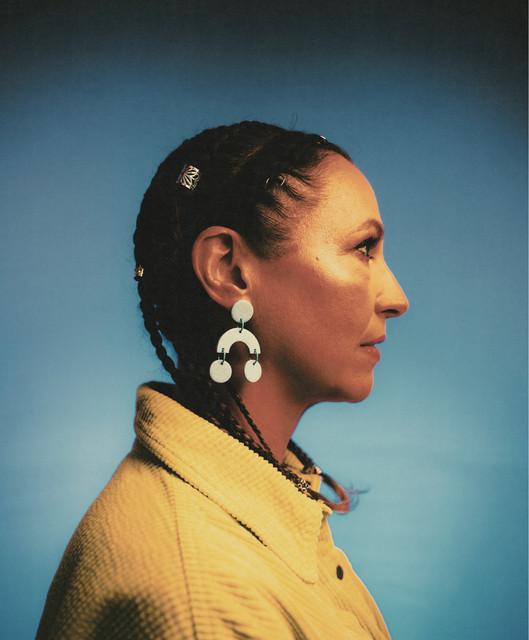
Léonie Gray

R&B
Contemporary R&B
 Viberate Rank: 235652
 Viberate Rank: 235652
 Monthly ListenersFollowers
 Subscribers
 Followers
 Followers
 FansTop Spotify Songs
| Track | 7-Day Streams | |
|---|---|---|
1 | 833 | |
2 | 607 | |
3 | 568 | |
4 | 529 | |
5 | 337 |
Top YouTube VideosMonthly ListenersFeatured in Playlists| Playlist | Followers | |
|---|---|---|
1 |  Vintage & Retro | Soul • Blues • Rock • Classic Vibes • Throwback Pop • Modern Oldies Retro Tones | 86.99K |
2 |  art not algorithms Live2 | 84.28K |
3 |  Indie Soul Vibes | Retro Soul • Feel Good • New Funk • Retro Pop Retro Tones | 14.46K |
4 |  Bar Music 2026 rupert72 | 12.36K |
5 |  Sunday Soul, Jazz, & Blues Brunch Retro Tones | 7.38K |
Audience| City | Monthly Listeners | |
|---|---|---|
1 | | 1.13K |
2 | | 194 |
3 | | 188 |
4 | | 142 |
5 | | 68 |
See full performance history, audience data, playlist activity, rankings, comparisons, and more in Viberate music analytics. Start with a free trial, then continue with a paid plan.
Léonie Gray’s Spotify BioLéonie Gray is a Montreal based singer- songwriter who writes mostly about mental health, traumas, growth and feminism. She can move from sophisticated orchestrations to an intimate pop-soul performance with a repertoire of compositions in which her vocal skills are featured from all angles.
The success of her first album Who?, released in the spring of 2022, propelled Léonie Gray to the forefront of the Quebec music scene. The young singer has been performing at festivals and concert halls with boundless energy. She is continuing her tour for a second consecutive year with great success, and wherever she goes, people are showing up.
“Léonie Gray brings back the New York’s Jazz bar spirit” - VICE
Viberate is a music analytics platform built for A&Rs, artist managers, labels, booking agents, marketers, and artists.
It helps music professionals track artist growth, analyze audience data, monitor playlist activity, compare artists, follow song performance, and identify opportunities across the music market.
Public artist pages provide a free preview of selected artist data. Paid plans provide access to deeper analytics, historical data, charts, comparisons, playlist tools, exports, alerts, reports, and additional professional features.
Yes. Public Viberate artist pages provide selected artist analytics and music data for free.
Viberate also offers a 7-day free trial of the full platform. A credit card is required to start the trial. The trial includes access to the complete product so users can test deeper artist analytics, historical views, playlist insights, comparisons, charts, exports, alerts, and reporting features before choosing a paid plan.
Viberate provides artist analytics across streaming, playlists, social media, video, radio airplay, songs, and audience markets.
Users can analyze Spotify performance, Spotify and Apple Music playlists, YouTube activity, TikTok and Instagram growth, radio spins, song performance, audience locations, demographics, rankings, and overall artist momentum.
Artist profiles also connect to music charts, similar artists, and comparison tools, helping users benchmark performance and evaluate artists in context.
Viberate updates key artist and track data daily.
For followed artists and tracks, selected data is refreshed multiple times per day. This helps teams monitor playlist changes, streaming movement, audience growth, releases, and campaign performance with more current data.
Update frequency can vary depending on the metric and data source.
Yes. Viberate lets users compare up to five artists side by side across streaming, social media, audience, and engagement metrics.
Users can compare fanbase growth, audience demographics, locations, Spotify performance, social metrics, and other artist data over selected time periods.
Artist comparison can be used for A&R scouting, benchmarking, booking decisions, campaign planning, and evaluating artists with similar audiences or market positions.