Lena Willemark

Jazz
Smooth Jazz
Mainstream Pop
 Viberate Rank: 323934
 Viberate Rank: 323934
 Monthly ListenersFollowers
 Subscribers
 Followers
 Followers
 FansTop Spotify Songs
| Track | 7-Day Streams | |
|---|---|---|
1 | 998 | |
2 | 816 | |
3 | 762 | |
4 | 682 | |
5 | 624 |
Top YouTube VideosMonthly ListenersFeatured in Playlists| Playlist | Followers | |
|---|---|---|
1 |  YEAR0001: SOUNDS YEAR0001 | 20.97K |
2 | Audiophile High End René Scheilen | 17.65K |
3 |  ECM New & Forthcoming ECM Records | 9.44K |
4 |  This Is Agnes Spotify | 7.52K |
5 |  This Is Linnea Henriksson Spotify | 7.23K |
Audience| City | Monthly Listeners | |
|---|---|---|
1 | | 801 |
2 | | 390 |
3 | | 165 |
4 | | 110 |
5 |  | 99 |
See full performance history, audience data, playlist activity, rankings, comparisons, and more in Viberate music analytics. Start with a free trial, then continue with a paid plan.
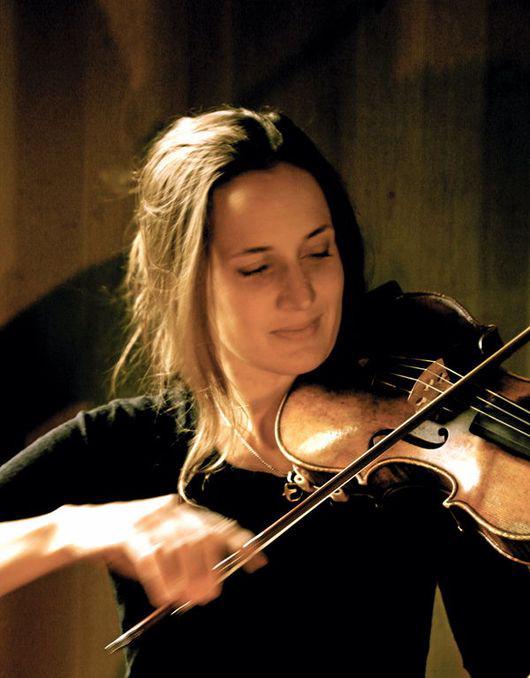
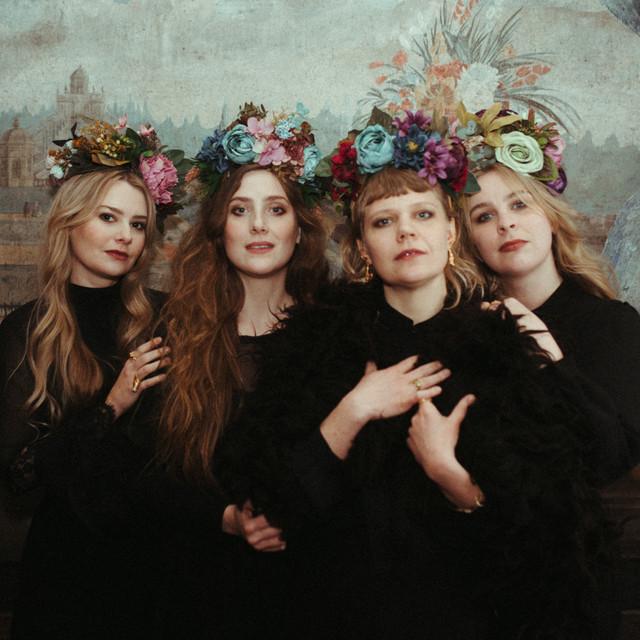
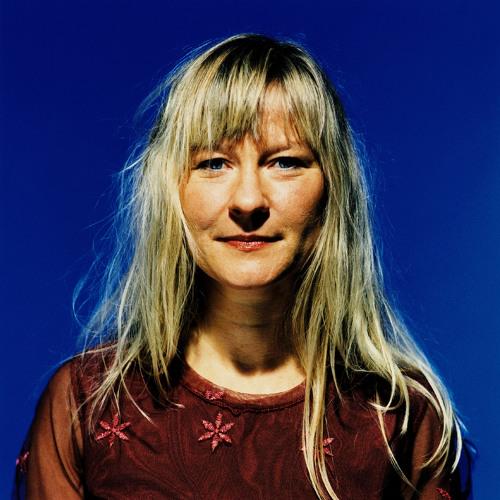
Lena Willemark’s Spotify BioWith warm vocals and an innovative approach to the fiddle, Lena Willemark has risen to the upper echelon of the Swedish music scene. Her solo recordings and collaborations with multi-instrumentalist Ale Möller and bands Frifot and Nordan Project have helped to bring the traditional music of her homeland up to contemporary standards. While she's been praised her for her "fine sensitivity and strength," The Planet noted that her "extraordinary, powerful voice can snap a listener's neck hairs to attention." A native of Evertsberg, a small village in Dalarna, Sweden, Willemark was first exposed to jazz and improvisational music in the late '70s. Her debut solo album, Nar Som Grast Det Vajar, released in 1989, received a Swedish Grammy and a German Music Critics prize. That same year she made her debut appearance with the Elise Einarsdotter Ensemble on Secrets of Living; she also appeared on their 1993 set Senses. Since 1990, Willemark has worked with Möller, a flute, octave mandolin,… shawn, accordion, trumpet, bouzouki, hammered dulcimer, lute, percussion, and folk harp player from southern Switzerland. They joined with upright bass player Per Gudmundson to form Frifot, a group devoted to improvising on traditional Swedish tunes. Willemark and Möller formed a second band, Nordan, which specialized in reinterpretations of medieval ballads, in 1994. Willemark has increasingly drawn attention to her songwriting. In 1998, she debuted her composition "Windogur," written with composer Karin Rehnqvist as part of the Ladies' Next series commissioned by the City of Stockholm in its role as Cultural Capital of Europe 1998. The tune, which she performed with Bobo Stenson, Palle Danielsson, Lisbeth Diers, Staffan Larsson, Mikael Marin, and Mats Olofsson, was sung mostly in the regional language of Älvdalen. Additionally, Frifot released a self-titled album in 1999.
At the turn of the century, Windogur was recorded in a studio and appeared on Sweden's Amigo label. In 2001, she appeared on the Elise Einarsdotter Ensemble's album Summer Night.
Frifot released Sluring in 2003, which was nominated for a Swedish Grammis award. That same year, Willemark collaborated with Norwegian vocalist Kirsten Bråten Berg and percussionist Marilyn Mazur on the album Stemmenes Skygge; it was eventually released by Norway's Heilo label in 2005. She became a member of the Royal Swedish Academy of Music and performed often on its stage, as well as in Northern Europe as part of various traditional and classical groups.
A solo album, Älvdalens Elektriska, was released in 2006, followed by a Frifot disc entitled Fly T in 2007. Over the next several years, Willemark lent her instrumental and arranging skills to numerous recordings of her region's classical music from the 20th century; she was a member of the Country & Eastern Band as well, which released a double-disc of regional holiday recordings in 2011. In 2013, she collaborated with Mats Oberg and Jonas Knutsson for Alla Drömmars Sång. This was followed a year later by The Nordan Suite with Möller and the Västerås Sinfonietta. Also in 2014 she recorded Years in a group with Anders Jormin, Markku Ounaskari, and Kari Heinilä.
Willemark made her first appearance on ECM in over a decade with 2015's Trees of Light, a series of contemporary compositions and improvisations in collaboration with Jormin and Japanese koto player Karin Nakagawa. ~ Craig Harris & Thom Jurek, Rovi
Viberate is a music analytics platform built for A&Rs, artist managers, labels, booking agents, marketers, and artists.
It helps music professionals track artist growth, analyze audience data, monitor playlist activity, compare artists, follow song performance, and identify opportunities across the music market.
Public artist pages provide a free preview of selected artist data. Paid plans provide access to deeper analytics, historical data, charts, comparisons, playlist tools, exports, alerts, reports, and additional professional features.
Yes. Public Viberate artist pages provide selected artist analytics and music data for free.
Viberate also offers a 7-day free trial of the full platform. A credit card is required to start the trial. The trial includes access to the complete product so users can test deeper artist analytics, historical views, playlist insights, comparisons, charts, exports, alerts, and reporting features before choosing a paid plan.
Viberate provides artist analytics across streaming, playlists, social media, video, radio airplay, songs, and audience markets.
Users can analyze Spotify performance, Spotify and Apple Music playlists, YouTube activity, TikTok and Instagram growth, radio spins, song performance, audience locations, demographics, rankings, and overall artist momentum.
Artist profiles also connect to music charts, similar artists, and comparison tools, helping users benchmark performance and evaluate artists in context.
Viberate updates key artist and track data daily.
For followed artists and tracks, selected data is refreshed multiple times per day. This helps teams monitor playlist changes, streaming movement, audience growth, releases, and campaign performance with more current data.
Update frequency can vary depending on the metric and data source.
Yes. Viberate lets users compare up to five artists side by side across streaming, social media, audience, and engagement metrics.
Users can compare fanbase growth, audience demographics, locations, Spotify performance, social metrics, and other artist data over selected time periods.
Artist comparison can be used for A&R scouting, benchmarking, booking decisions, campaign planning, and evaluating artists with similar audiences or market positions.