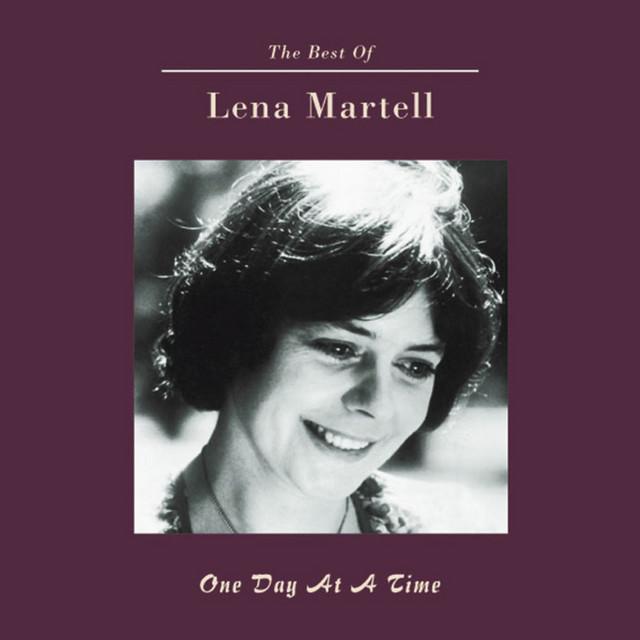
Lena Martell

Country
Contemporary Country
 Viberate Rank: 250723
 Viberate Rank: 250723
 Monthly ListenersFollowers
 Subscribers
 Followers
 Followers
 FansTop Spotify Songs
| Track | 7-Day Streams | |
|---|---|---|
1 | 3.41K | |
2 | 987 | |
3 | 663 | |
4 | 660 | |
5 | 393 |
Top YouTube VideosMonthly ListenersFeatured in Playlists| Playlist | Followers | |
|---|---|---|
1 |  Every Official UK Number 1 Ever Official Charts | 33.96K |
2 |  70s - NOW 100 Hits Forgotten 70s NOW That’s What I Call Music! | 5.78K |
3 | 1979 Top 100 UK Hits Gary Prestridge | 5.70K |
4 | Dave Clark 5 Janice Grewcock | 5.36K |
5 |  Jarvis Cocker's Sunday Service Anders Björk | 5.09K |
Audience| City | Monthly Listeners | |
|---|---|---|
1 | | 672 |
2 | | 549 |
3 | | 334 |
4 |  | 253 |
5 | | 190 |
See full performance history, audience data, playlist activity, rankings, comparisons, and more in Viberate music analytics. Start with a free trial, then continue with a paid plan.
Lena Martell’s Spotify BioBritish cabaret singer, composer, and BBC television host Lena Martell released numerous renditions of standards and country-tinged pop confections on the Pye label throughout the 1970s. Born in Glasgow, Scotland, Martell began singing at the age of 11 with her eldest brother's band. After his untimely death, Martell decided to pursue a career in music as a tribute. Her rising popularity among the easy listening elite allowed for the release of Lena's Music Album in 1979. The record spawned a number one hit, a polished interpretation of Kris Kristofferson's "One Day at a Time," that helped launch the singer's career. Producer and bandleader George Elrick and Martell continued to release records throughout the 1980s, including By Request (Ronco, 1980), Beautiful Sunday (Ronco, 1980), Love Songs (Pickwick, 1988), and Feelings (Pickwick, 1991), before her retirement in the early '90s. Castle released the double-disc One Day at a Time: An Anthology of Song in 2003. ~ James Christopher… Monger, Rovi
Viberate is a music analytics platform built for A&Rs, artist managers, labels, booking agents, marketers, and artists.
It helps music professionals track artist growth, analyze audience data, monitor playlist activity, compare artists, follow song performance, and identify opportunities across the music market.
Public artist pages provide a free preview of selected artist data. Paid plans provide access to deeper analytics, historical data, charts, comparisons, playlist tools, exports, alerts, reports, and additional professional features.
Yes. Public Viberate artist pages provide selected artist analytics and music data for free.
Viberate also offers a 7-day free trial of the full platform. A credit card is required to start the trial. The trial includes access to the complete product so users can test deeper artist analytics, historical views, playlist insights, comparisons, charts, exports, alerts, and reporting features before choosing a paid plan.
Viberate provides artist analytics across streaming, playlists, social media, video, radio airplay, songs, and audience markets.
Users can analyze Spotify performance, Spotify and Apple Music playlists, YouTube activity, TikTok and Instagram growth, radio spins, song performance, audience locations, demographics, rankings, and overall artist momentum.
Artist profiles also connect to music charts, similar artists, and comparison tools, helping users benchmark performance and evaluate artists in context.
Viberate updates key artist and track data daily.
For followed artists and tracks, selected data is refreshed multiple times per day. This helps teams monitor playlist changes, streaming movement, audience growth, releases, and campaign performance with more current data.
Update frequency can vary depending on the metric and data source.
Yes. Viberate lets users compare up to five artists side by side across streaming, social media, audience, and engagement metrics.
Users can compare fanbase growth, audience demographics, locations, Spotify performance, social metrics, and other artist data over selected time periods.
Artist comparison can be used for A&R scouting, benchmarking, booking decisions, campaign planning, and evaluating artists with similar audiences or market positions.