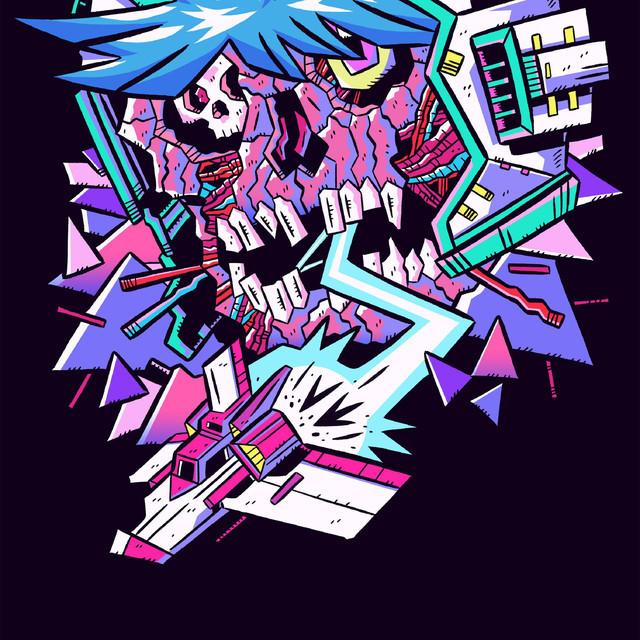
Lehel P.

Electronic
Downtempo
Synthwave
 Viberate Rank: 651977
 Viberate Rank: 651977
 Monthly ListenersFollowers
 Subscribers
 Followers
 Followers
 FansTop Spotify Songs
| Track | 7-Day Streams | |
|---|---|---|
1 | 375 | |
2 | 13 | |
3 | 9 | |
4 | 8 | |
5 | 4 |
Top YouTube VideosMonthly ListenersFeatured in Playlists| Playlist | Followers | |
|---|---|---|
1 |  Conscious Artists - Music with Vision musicwithdepth | 11.34K |
2 |  ~Alternative Hip-Hop, Lo-Fi Rap, Chillhop, Psychedelic Rap & Beats~ Shroopy | 9.72K |
3 |  80s Sci-Fi Ambience / Synthwave sorrowschild | 9.14K |
4 |  Blade Runner aofd3 | 6.72K |
5 |  ~Rock Out~ Shroopy | 6.55K |
Audience| City | Monthly Listeners | |
|---|---|---|
1 |  | 19 |
2 | | 19 |
3 |  | 16 |
4 |  | 16 |
5 | | 15 |
See full performance history, audience data, playlist activity, rankings, comparisons, and more in Viberate music analytics. Start with a free trial, then continue with a paid plan.
Lehel P.’s Spotify BioLEHEL P. è un visual musicista, un instancabile esploratore del suono nato a Torino il 25 febbraio 1972. Se oggi può contare su più di trenta synth, il compositore di musica elettronica lo deve soprattutto al suo amore per i Pink Floyd: da quell'incontro infatti, Emanuele si è catapultato nel mondo della musica a 360 gradi, realizzando negli anni diverse composizioni per teatro, cortometraggi, spot pubblicitari e documentari, oltre a colonne sonore per film, come il cine-poema Regen di Joris Ivens. Non a caso le prime esperienze sono all'interno di gruppi di progressive rock. A metà degli anni Novanta, insieme ai TRed, band che arriva in finale a due importanti concorsi musicali italiani, Rock Targato Italia nel 1994 e Indipendenti Fare Musica nel 1995, esplora sonorità più rock e brit-pop. Ma il "sound" e la gamma di sonorità create da LEHEL sono sempre in evoluzione e dal prog si passa rapidamente alla musica etnica e infine all'elettronica. Nel frattempo, durante gli anni al CPM di… Milano, è allievo del maestro Andrea Lovecchio (autore di "Luci a San Siro" per Roberto Vecchioni) che, folgorato dall'autentico caleidoscopio di suoni, lo soprannominerà "Il Pittore". Attratto dalla sintesi sottrattiva, studiata da autodidatta, la continua ricerca e sperimentazione sono il motore della sua musica che, grazie all'influenza di Massive Attack e Portishead, approda infine nel trip hop.
https://cardinium.com/product/ior-tk-xxxv/
https://cardinium.com/product/ior-tk-xxxvcdr/
Viberate is a music analytics platform built for A&Rs, artist managers, labels, booking agents, marketers, and artists.
It helps music professionals track artist growth, analyze audience data, monitor playlist activity, compare artists, follow song performance, and identify opportunities across the music market.
Public artist pages provide a free preview of selected artist data. Paid plans provide access to deeper analytics, historical data, charts, comparisons, playlist tools, exports, alerts, reports, and additional professional features.
Yes. Public Viberate artist pages provide selected artist analytics and music data for free.
Viberate also offers a 7-day free trial of the full platform. A credit card is required to start the trial. The trial includes access to the complete product so users can test deeper artist analytics, historical views, playlist insights, comparisons, charts, exports, alerts, and reporting features before choosing a paid plan.
Viberate provides artist analytics across streaming, playlists, social media, video, radio airplay, songs, and audience markets.
Users can analyze Spotify performance, Spotify and Apple Music playlists, YouTube activity, TikTok and Instagram growth, radio spins, song performance, audience locations, demographics, rankings, and overall artist momentum.
Artist profiles also connect to music charts, similar artists, and comparison tools, helping users benchmark performance and evaluate artists in context.
Viberate updates key artist and track data daily.
For followed artists and tracks, selected data is refreshed multiple times per day. This helps teams monitor playlist changes, streaming movement, audience growth, releases, and campaign performance with more current data.
Update frequency can vary depending on the metric and data source.
Yes. Viberate lets users compare up to five artists side by side across streaming, social media, audience, and engagement metrics.
Users can compare fanbase growth, audience demographics, locations, Spotify performance, social metrics, and other artist data over selected time periods.
Artist comparison can be used for A&R scouting, benchmarking, booking decisions, campaign planning, and evaluating artists with similar audiences or market positions.