Lefties Soul Connection

R&B
Funk
Jazz Fusion
 Viberate Rank: 199403
 Viberate Rank: 199403
 Monthly ListenersFollowers
 Subscribers
 Followers
 Followers
 FansTop Spotify Songs
| Track | 7-Day Streams | |
|---|---|---|
1 | 3.45K | |
2 | 2.22K | |
3 | 612 | |
4 | 547 | |
5 | 457 |
Top YouTube VideosMonthly ListenersFeatured in Playlists| Playlist | Followers | |
|---|---|---|
1 |  I Love My 00s Funk Spotify | 79.13K |
2 |  This Is DJ Shadow Spotify | 23.01K |
3 |  No Lyrics | Energetic Focus ⚡️ NerdyCode | 16.87K |
4 |  Groovy Morning! - Rare Grooves New Funk & Soul SlideUp Records | 12.34K |
5 | jazz,funk,soul,blues,afrobeat,latin İlker Özalp | 11.48K |
Audience| City | Monthly Listeners | |
|---|---|---|
1 |  | 435 |
2 |  | 323 |
3 | | 294 |
4 |  | 239 |
5 |  | 205 |
See full performance history, audience data, playlist activity, rankings, comparisons, and more in Viberate music analytics. Start with a free trial, then continue with a paid plan.
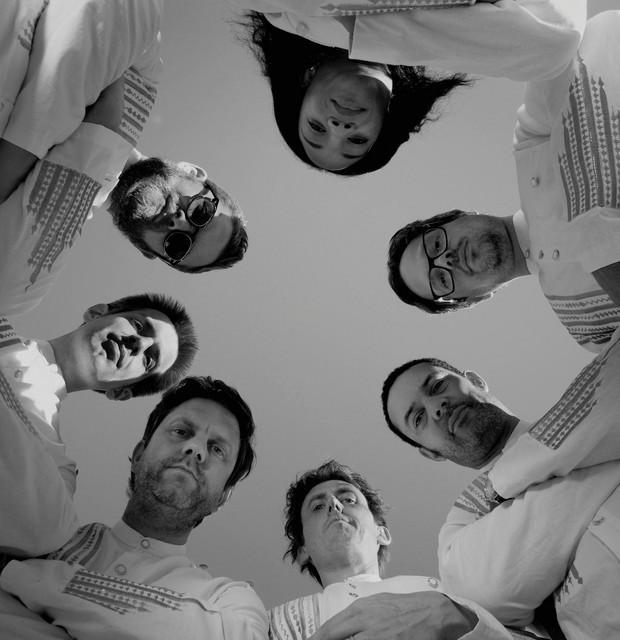
Lefties Soul Connection’s Spotify BioLefties Soul Connection are a Dutch funk band. Their sound is heavily influenced by the Meters and funk and soul groups from the '60s and early '70s, along with hip-hop bands such as the Roots and the Beastie Boys, while the heavy organ sound resembles American jam band Soulive. Lefties Soul Connection were founded by Onno Smit (guitar) and Alviz (Hammond organ) in August 2001. Later that year Cody Vogel (drums) joined the band, and together with various bass players they spent their early days mainly playing instrumental covers by bands like the Meters, Booker T. & the MG's, the Mighty Imperials, and Larry Ellis & the Black Hammer. In early 2002 Bram Brosman became the permanent bass player, and the bandmembers began to write more of their own material. In the summer of 2002 Alviz met DJ Olski of the German record label Melting Pot Music, and the label released the group's first 45 vinyl single, "Doin' the Thing," followed by the release of second single "Bouncing Ball" in 2003. The… promotional CD Dutch Soul Food dropped in April of 2004. The band received critical acclaim for its 2006 interpretation of DJ Shadow's "Organ Donor." Lefties Soul Connection's first full-length LP, Skimming the Skum, was released in 2007. ~ Vincent Thomas, Rovi
Viberate is a music analytics platform built for A&Rs, artist managers, labels, booking agents, marketers, and artists.
It helps music professionals track artist growth, analyze audience data, monitor playlist activity, compare artists, follow song performance, and identify opportunities across the music market.
Public artist pages provide a free preview of selected artist data. Paid plans provide access to deeper analytics, historical data, charts, comparisons, playlist tools, exports, alerts, reports, and additional professional features.
Yes. Public Viberate artist pages provide selected artist analytics and music data for free.
Viberate also offers a 7-day free trial of the full platform. A credit card is required to start the trial. The trial includes access to the complete product so users can test deeper artist analytics, historical views, playlist insights, comparisons, charts, exports, alerts, and reporting features before choosing a paid plan.
Viberate provides artist analytics across streaming, playlists, social media, video, radio airplay, songs, and audience markets.
Users can analyze Spotify performance, Spotify and Apple Music playlists, YouTube activity, TikTok and Instagram growth, radio spins, song performance, audience locations, demographics, rankings, and overall artist momentum.
Artist profiles also connect to music charts, similar artists, and comparison tools, helping users benchmark performance and evaluate artists in context.
Viberate updates key artist and track data daily.
For followed artists and tracks, selected data is refreshed multiple times per day. This helps teams monitor playlist changes, streaming movement, audience growth, releases, and campaign performance with more current data.
Update frequency can vary depending on the metric and data source.
Yes. Viberate lets users compare up to five artists side by side across streaming, social media, audience, and engagement metrics.
Users can compare fanbase growth, audience demographics, locations, Spotify performance, social metrics, and other artist data over selected time periods.
Artist comparison can be used for A&R scouting, benchmarking, booking decisions, campaign planning, and evaluating artists with similar audiences or market positions.