Lee Williams

Religious
Christian Music
Gospel
 Viberate Rank: 73932
 Viberate Rank: 73932
 Monthly ListenersFollowers
 Subscribers
 Followers
 Followers
 FansTop Spotify Songs
| Track | 7-Day Streams | |
|---|---|---|
1 | 13.68K | |
2 | 13.68K | |
3 | 4.99K | |
4 | 4.86K | |
5 | 4.57K |
Top YouTube VideosMonthly ListenersFeatured in Playlists| Playlist | Followers | |
|---|---|---|
1 | Black Gospel Praise and Worship diywithme772 | 81.53K |
2 | GOSPEL CLASSICS Patrice Troope | 53.46K |
3 |  The Drop: A Snowfall Saga FX Soundtrack 6th Street Entertainment | 23.18K |
4 |  Gospel Playlist Best milltay | 12.16K |
5 | GOSPEL GREATEST HITS LATESHA | 11.44K |
Audience| City | Monthly Listeners | |
|---|---|---|
1 | | 2.17K |
2 | | 2.16K |
3 | | 1.39K |
4 | | 1.38K |
5 | | 1.12K |
See full performance history, audience data, playlist activity, rankings, comparisons, and more in Viberate music analytics. Start with a free trial, then continue with a paid plan.
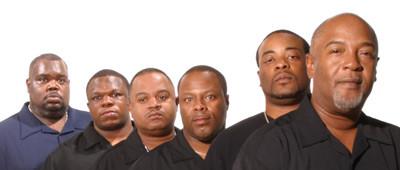
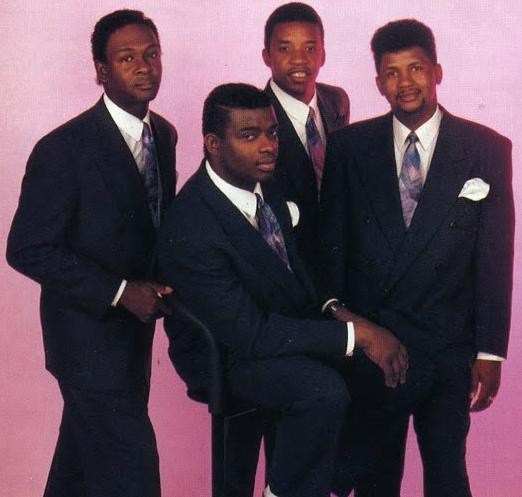
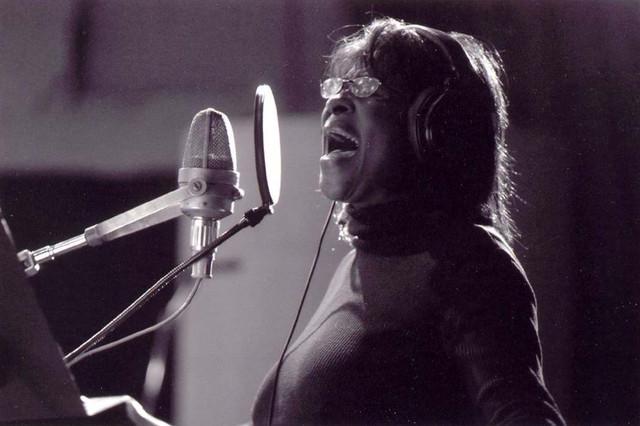
Lee Williams’ Spotify BioAlthough the Tupelo, Mississippi-based Spiritual QC's have existed in some form since 1968, it wasn't until the late '90s that they began recording and getting their due as a highly skilled traditional-styled Black gospel outfit. And it wasn't until 1998 that the group started billing lead singer Lee Williams ahead of the Spiritual QC's' name. They made up for lost time, at least in a studio recording sense, with successive Billboard-charting albums released throughout the mid-2010s.
Williams began performing gospel music as young as age eight, when his uncle -- a member of a group called the Gospel Stars -- put together the Gospel Stars Junior, a companion group featuring Williams and his three brothers. Williams' uncle also formed a group called the Spiritual QC's in 1962 (QC's standing for "qualified Christian singers"), and when this outfit broke up in 1968, Williams took the name for his own group at the time in which he also played lead guitar. In the mid-'70s, two former Spiritua…l QC's joined the lineup: second lead vocalist Leonard Shumpert and lead guitarist Al Hollis. Although the Spiritual QC's toured off and on over the last three decades of the 20th century, it wasn't until the '90s that their music was documented extensively. Through their connection with friends the Gospel Four, the Spiritual QC's entered the studio to record their first CD, Jesus Is Alive and Well, in 1996; members of the Gospel Four provided instrumental support, and their lead singer George Dean produced the record. A second album, Love Will Go All the Way, appeared in 1998, and the group -- now billed as Lee Williams & the Spiritual QC's -- toured extensively behind it.
That set the stage for 2000's Good Time, which crashed into the Top Ten of Billboard's gospel chart. Accolades poured in during the next year; the group won Traditional Quartet of the Year at the Gospel Music Excellence Awards, and was nominated for Best Gospel Album at the Soul Train Music Awards. Right on Time (2003) and Tell the Angels (2005) both peaked within the Top Five of the Billboard gospel chart. Although Fall on Me (2009) was the last studio effort to fare as well, they continued to record regularly and performed up to 50 weeks a year. Leader Lee Williams died on August 30, 2021 at the age of 75. ~ Steve Huey, Rovi
Viberate is a music analytics platform built for A&Rs, artist managers, labels, booking agents, marketers, and artists.
It helps music professionals track artist growth, analyze audience data, monitor playlist activity, compare artists, follow song performance, and identify opportunities across the music market.
Public artist pages provide a free preview of selected artist data. Paid plans provide access to deeper analytics, historical data, charts, comparisons, playlist tools, exports, alerts, reports, and additional professional features.
Yes. Public Viberate artist pages provide selected artist analytics and music data for free.
Viberate also offers a 7-day free trial of the full platform. A credit card is required to start the trial. The trial includes access to the complete product so users can test deeper artist analytics, historical views, playlist insights, comparisons, charts, exports, alerts, and reporting features before choosing a paid plan.
Viberate provides artist analytics across streaming, playlists, social media, video, radio airplay, songs, and audience markets.
Users can analyze Spotify performance, Spotify and Apple Music playlists, YouTube activity, TikTok and Instagram growth, radio spins, song performance, audience locations, demographics, rankings, and overall artist momentum.
Artist profiles also connect to music charts, similar artists, and comparison tools, helping users benchmark performance and evaluate artists in context.
Viberate updates key artist and track data daily.
For followed artists and tracks, selected data is refreshed multiple times per day. This helps teams monitor playlist changes, streaming movement, audience growth, releases, and campaign performance with more current data.
Update frequency can vary depending on the metric and data source.
Yes. Viberate lets users compare up to five artists side by side across streaming, social media, audience, and engagement metrics.
Users can compare fanbase growth, audience demographics, locations, Spotify performance, social metrics, and other artist data over selected time periods.
Artist comparison can be used for A&R scouting, benchmarking, booking decisions, campaign planning, and evaluating artists with similar audiences or market positions.