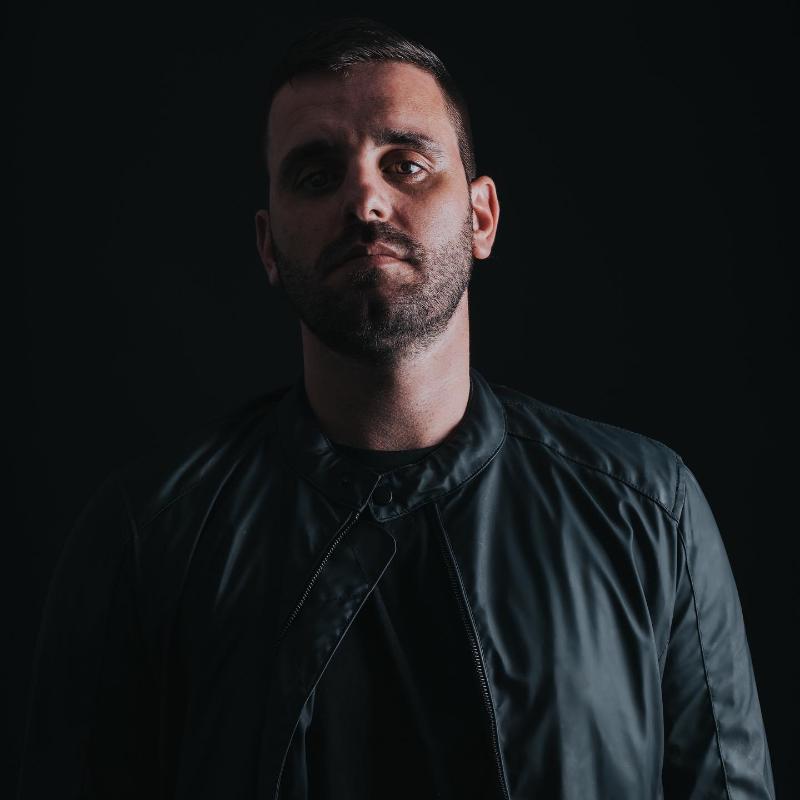
Lee Butler

Electronic
Dance
House
 Viberate Rank: 96709
 Viberate Rank: 96709
 Monthly ListenersFollowers
 Subscribers
 Followers
 Followers
 FansTop Spotify Songs
| Track | 7-Day Streams | |
|---|---|---|
1 | 10.06K | |
2 | 10.00K | |
3 | 6.05K | |
4 | 4.18K | |
5 | 2.87K |
Top YouTube Videos| Video | 7-Day Views | |
|---|---|---|
1 | 2.64K | |
2 | 1.65K | |
3 | 1.26K | |
4 | 242 | |
5 | 239 |
Monthly ListenersFeatured in Playlists| Playlist | Followers | |
|---|---|---|
1 |  Clubland Classix Clubland | 294.73K |
2 |  This Is Hard House 2026 The Tidy Boys Hard Drive | 11.73K |
3 |  Charva anthems Specks on decks | 10.63K |
4 |  New Clubland Tunes: The Hotlist 🔥 Clubland | 8.10K |
5 | AM📲 | 8.00K |
Audience| City | Monthly Listeners | |
|---|---|---|
1 | | 6.42K |
2 | | 4.51K |
3 | | 4.19K |
4 |  | 3.22K |
5 | | 2.26K |
See full performance history, audience data, playlist activity, rankings, comparisons, and more in Viberate music analytics. Start with a free trial, then continue with a paid plan.
Lee Butler’s Spotify BioLee was without doubt swept away by house music from an early age and was a full on raver when the dance scene erupted in 1989 – music was his first love and buying vinyl and wanting to be a DJ his goal. Every penny Lee had went on vinyl, and having partied at raves up and down the country, Lee decided he wanted to be the one spinning the tunes.
Fast-forward to present and Lee has become one of the biggest DJ's in the UK placing #2 in Skiddle's 'Most Popular Artists of 2020' between CamelPhat (#1) and Sonny Fodera (#3) and has been voted Liverpool Echo DJ of the Year a massive 6 times!
Lee has been ever-present on the airwaves and in the clubs for over two decades, particularly in Liverpool, where he was main host on Radio City 96.7 before recently moving to set up his own station and become Breakfast Host on 'In Demand Radio' - which in a very short space of time now already boasts over 750,000 unique monthly listeners!
Working his way gradually up through the ranks of the underground,… the seasoned selector has unquestionably earn't his stripes. From early performances at venues such as the fabled Wigan Pier to rocking clubs across the UK and Ibiza, The BCM in Magaluf and many more - Butler has done it all!
Viberate is a music analytics platform built for A&Rs, artist managers, labels, booking agents, marketers, and artists.
It helps music professionals track artist growth, analyze audience data, monitor playlist activity, compare artists, follow song performance, and identify opportunities across the music market.
Public artist pages provide a free preview of selected artist data. Paid plans provide access to deeper analytics, historical data, charts, comparisons, playlist tools, exports, alerts, reports, and additional professional features.
Yes. Public Viberate artist pages provide selected artist analytics and music data for free.
Viberate also offers a 7-day free trial of the full platform. A credit card is required to start the trial. The trial includes access to the complete product so users can test deeper artist analytics, historical views, playlist insights, comparisons, charts, exports, alerts, and reporting features before choosing a paid plan.
Viberate provides artist analytics across streaming, playlists, social media, video, radio airplay, songs, and audience markets.
Users can analyze Spotify performance, Spotify and Apple Music playlists, YouTube activity, TikTok and Instagram growth, radio spins, song performance, audience locations, demographics, rankings, and overall artist momentum.
Artist profiles also connect to music charts, similar artists, and comparison tools, helping users benchmark performance and evaluate artists in context.
Viberate updates key artist and track data daily.
For followed artists and tracks, selected data is refreshed multiple times per day. This helps teams monitor playlist changes, streaming movement, audience growth, releases, and campaign performance with more current data.
Update frequency can vary depending on the metric and data source.
Yes. Viberate lets users compare up to five artists side by side across streaming, social media, audience, and engagement metrics.
Users can compare fanbase growth, audience demographics, locations, Spotify performance, social metrics, and other artist data over selected time periods.
Artist comparison can be used for A&R scouting, benchmarking, booking decisions, campaign planning, and evaluating artists with similar audiences or market positions.