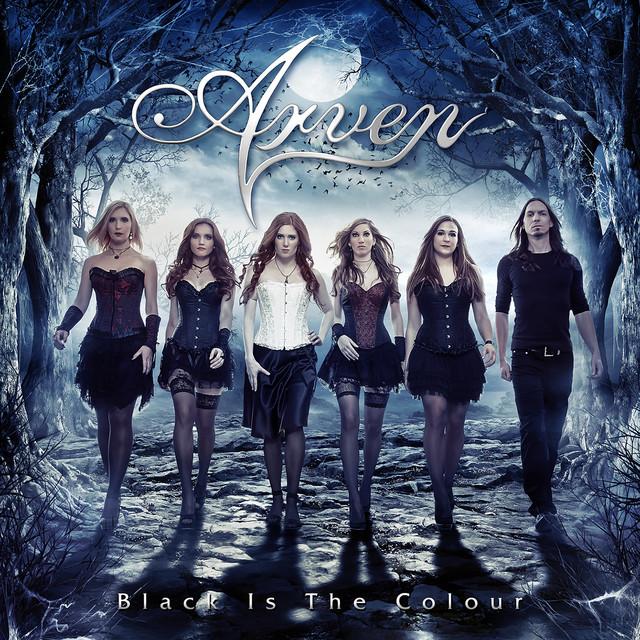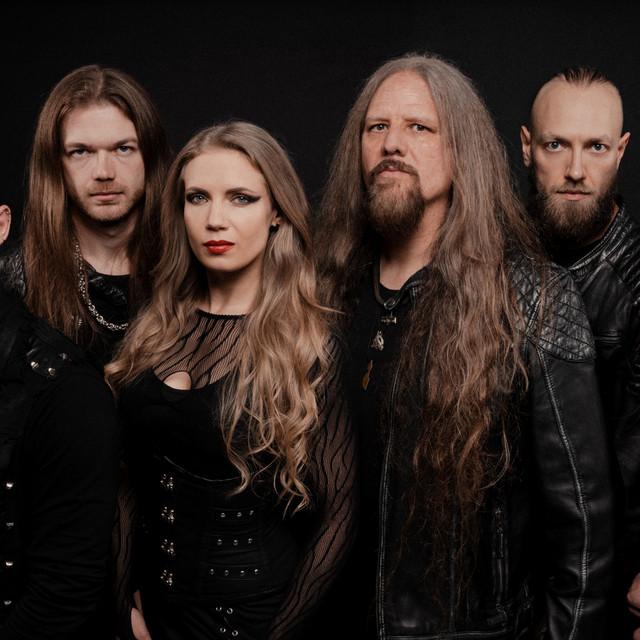
Leah

Metal
Folk Metal
Gothic Metal
Symphonic Metal
 Viberate Rank: 73479
 Viberate Rank: 73479
 Monthly ListenersFollowers
 Subscribers
 Followers
 Followers
 FansTop Spotify Songs
| Track | 7-Day Streams | |
|---|---|---|
1 | 9.56K | |
2 | 6.84K | |
3 | 6.83K | |
4 | 2.81K | |
5 | 2.68K |
Top YouTube VideosMonthly ListenersFeatured in Playlists| Playlist | Followers | |
|---|---|---|
1 |  Epic & Melodic Spotify | 825.55K |
2 |  Celtic Music – Irish, Scottish & Fantasy Folk Derek Fiechter | 72.83K |
3 |  Medieval Music – Renaissance, Taverns & Fantasy Derek Fiechter | 60.88K |
4 |  Female Fronted Metal Tennrich | 23.86K |
5 |  New Age Music Channel Albert Sater | 22.99K |
Audience| City | Monthly Listeners | |
|---|---|---|
1 |  | 796 |
2 |  | 752 |
3 | | 725 |
4 | | 685 |
5 | | 579 |
See full performance history, audience data, playlist activity, rankings, comparisons, and more in Viberate music analytics. Start with a free trial, then continue with a paid plan.
Leah’s Spotify BioCanadian Celtic metal songstress Leah McHenry, who operates under the mononym Leah, emerged in the early 2010s with a captivating sound that blended the operatic scope of symphonic heavy metal with ethereal, fantasy-driven folk and world music. Often collaborating with contemporaries such as Eric Peterson of Testament and Dragonlord, Timo Somers of Delain, and Troy Donockley of Nightwish, Leah has self-released several albums, EPs, and singles, including 2015's Kings & Queens and the 2019 holiday LP Ancient Winter.
Sometimes referred to as the "the metal Enya", the Vancouver native began releasing material under the Leah moniker in 2012 with her debut album Of Earth & Angels. The Otherworld EP arrived in 2013, followed by her acclaimed sophomore full-length effort, Kings & Queens. A string of single releases, including 2017's "The Dragonborn Comes," a rousing version of the theme song from the massively popular RPG video game Skyrim, preceded the arrival of her third long-player, 2018's… The Quest. In 2019 Leah released her first collection of holiday material, the evocative Ancient Winter. ~ James Christopher Monger, Rovi
Viberate is a music analytics platform built for A&Rs, artist managers, labels, booking agents, marketers, and artists.
It helps music professionals track artist growth, analyze audience data, monitor playlist activity, compare artists, follow song performance, and identify opportunities across the music market.
Public artist pages provide a free preview of selected artist data. Paid plans provide access to deeper analytics, historical data, charts, comparisons, playlist tools, exports, alerts, reports, and additional professional features.
Yes. Public Viberate artist pages provide selected artist analytics and music data for free.
Viberate also offers a 7-day free trial of the full platform. A credit card is required to start the trial. The trial includes access to the complete product so users can test deeper artist analytics, historical views, playlist insights, comparisons, charts, exports, alerts, and reporting features before choosing a paid plan.
Viberate provides artist analytics across streaming, playlists, social media, video, radio airplay, songs, and audience markets.
Users can analyze Spotify performance, Spotify and Apple Music playlists, YouTube activity, TikTok and Instagram growth, radio spins, song performance, audience locations, demographics, rankings, and overall artist momentum.
Artist profiles also connect to music charts, similar artists, and comparison tools, helping users benchmark performance and evaluate artists in context.
Viberate updates key artist and track data daily.
For followed artists and tracks, selected data is refreshed multiple times per day. This helps teams monitor playlist changes, streaming movement, audience growth, releases, and campaign performance with more current data.
Update frequency can vary depending on the metric and data source.
Yes. Viberate lets users compare up to five artists side by side across streaming, social media, audience, and engagement metrics.
Users can compare fanbase growth, audience demographics, locations, Spotify performance, social metrics, and other artist data over selected time periods.
Artist comparison can be used for A&R scouting, benchmarking, booking decisions, campaign planning, and evaluating artists with similar audiences or market positions.