Le Mans

Pop
Mainstream Pop
Indie Pop
 Viberate Rank: 337237
 Viberate Rank: 337237
 Monthly ListenersFollowers
 Subscribers
 Followers
 Followers
 FansTop Spotify Songs
| Track | 7-Day Streams | |
|---|---|---|
1 | 1.18K | |
2 | 359 | |
3 | 265 | |
4 | 243 | |
5 | 223 |
Top YouTube VideosMonthly ListenersFeatured in Playlists| Playlist | Followers | |
|---|---|---|
1 | Las 200 Mejores Canciones Españolas de todos los tiempos djflow68 | 12.46K |
2 |  Soy tu fan Fernando Pavia | 9.94K |
3 |  Duyster (all tracks ever played) Wike | 8.15K |
4 | ¡SoY tU FaN! Monpink Rodriguez Flores | 8.06K |
5 | Soy tu fan Mexico Soundtrack Carlos Fumarti | 6.52K |
Audience| City | Monthly Listeners | |
|---|---|---|
1 | | 513 |
2 |  | 357 |
3 | | 344 |
4 |  | 189 |
5 |  | 160 |
See full performance history, audience data, playlist activity, rankings, comparisons, and more in Viberate music analytics. Start with a free trial, then continue with a paid plan.
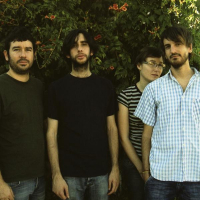
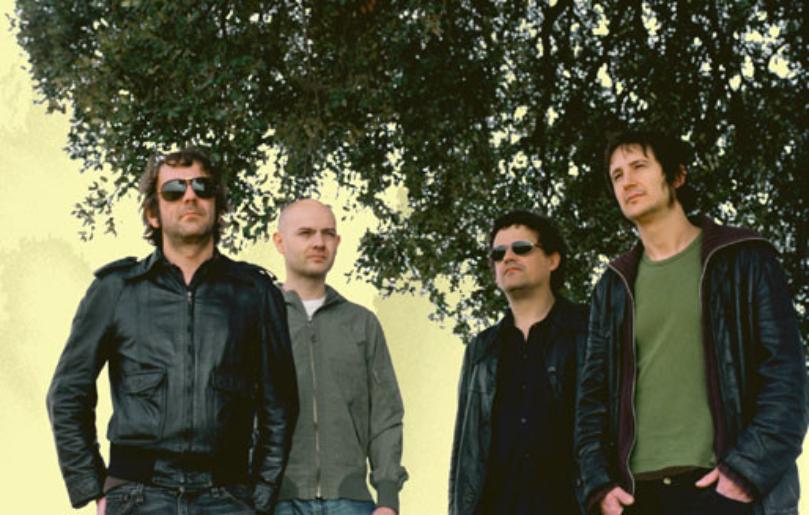
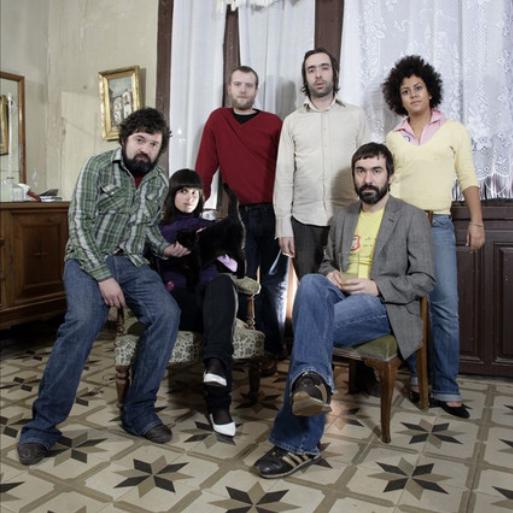
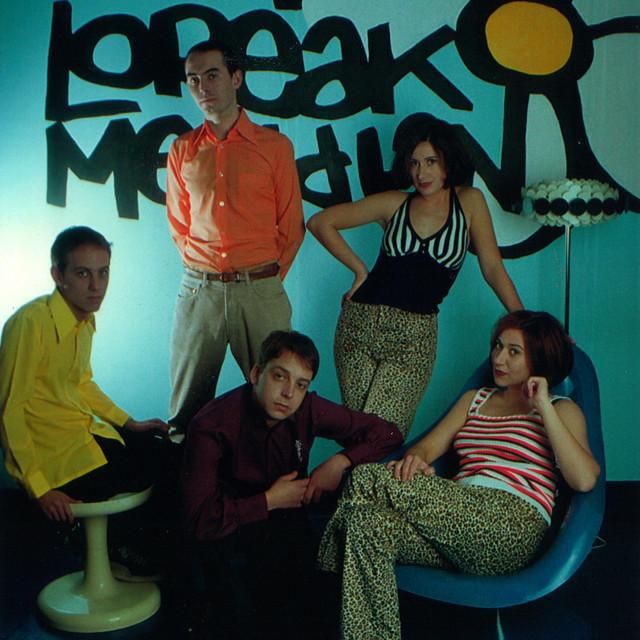
Le Mans’ Spotify BioSpanish indie-popsters Le Mans (not to be confused with the American AOR band of the same name) were formed in San Sebastián, in the heart of Basque country; their original lineup featured vocalist Jone Gabarain, guitarist Ibon Errazkin, bassist Teresa Iturrioz, and stand-up drummer Peru Izeta. They began playing together in early 1986 under the name Aventuras de Kirlian, performing simple, melodic pop tunes that were influenced by British indie pop of the time, and rarely lasted longer than one minute (owing to the fact that the members were learning their instruments as they went). The San Sebastián indie pop scene started to attract some attention in Madrid, and the band was eventually signed to indie label DRO, for whom they released a mini-album in the fall of 1989. It went nowhere, though, and the band was dropped in summer 1990; they resurfaced soon afterwards with the same lineup, now playing under the name Le Mans. In 1991, Gorka Ochoa joined the band as drummer (playing a… full trap set), and Izeta switched to guitar. Thus constituted, Le Mans began recording a new album on their own time, simultaneously searching for a label to release the project when it was completed. Both processes were slow going; the album, Le Mans, was finally finished in late summer 1993, and the Madrid label Elefant agreed to release it several months later. Somewhat dissatisfied with the results, Le Mans quickly recorded a follow-up, Entresemana, which was issued in 1994; in addition to featuring some striking string arrangements, it better reflected their new influences, which in addition to indie pop included funk, psychedelia, cabaret pop, and melancholy singer/songwriters like Nick Drake. The band was also becoming more interested in British electronica, and soon put out a remix album titled Zerbina, which drew chiefly from trip-hop but also incorporated bits of ambient techno and jungle. This signaled a change in the band's overall musical direction; their next proper album, Saudade, was a more atmospheric, somber, electronic-tinged affair, reminiscent of bands on the 4AD or Too Pure rosters. Around this time, the band also issued one of its finest 12" singles, "Jonathan Jeremiah," which bridged the gap between Saudade and the more celebratory dance music of Zerbina. The American indie label Grimsey soon released a two-fer of Le Mans' first two albums, followed by an American issue of the band's 1998 album Aquí Vivía Yo, which featured its lushest arrangements to date. Despite the beginnings of interest in the band in the U.S. and U.K. (where they were profiled in the NME), Le Mans disbanded shortly after the release of Aquí Vivía Yo. Grimsey continued with plans to reissue the rest of the band's output, and Ibon Errazkin began work on a solo project in 2000. ~ Steve Huey, Rovi
Viberate is a music analytics platform built for A&Rs, artist managers, labels, booking agents, marketers, and artists.
It helps music professionals track artist growth, analyze audience data, monitor playlist activity, compare artists, follow song performance, and identify opportunities across the music market.
Public artist pages provide a free preview of selected artist data. Paid plans provide access to deeper analytics, historical data, charts, comparisons, playlist tools, exports, alerts, reports, and additional professional features.
Yes. Public Viberate artist pages provide selected artist analytics and music data for free.
Viberate also offers a 7-day free trial of the full platform. A credit card is required to start the trial. The trial includes access to the complete product so users can test deeper artist analytics, historical views, playlist insights, comparisons, charts, exports, alerts, and reporting features before choosing a paid plan.
Viberate provides artist analytics across streaming, playlists, social media, video, radio airplay, songs, and audience markets.
Users can analyze Spotify performance, Spotify and Apple Music playlists, YouTube activity, TikTok and Instagram growth, radio spins, song performance, audience locations, demographics, rankings, and overall artist momentum.
Artist profiles also connect to music charts, similar artists, and comparison tools, helping users benchmark performance and evaluate artists in context.
Viberate updates key artist and track data daily.
For followed artists and tracks, selected data is refreshed multiple times per day. This helps teams monitor playlist changes, streaming movement, audience growth, releases, and campaign performance with more current data.
Update frequency can vary depending on the metric and data source.
Yes. Viberate lets users compare up to five artists side by side across streaming, social media, audience, and engagement metrics.
Users can compare fanbase growth, audience demographics, locations, Spotify performance, social metrics, and other artist data over selected time periods.
Artist comparison can be used for A&R scouting, benchmarking, booking decisions, campaign planning, and evaluating artists with similar audiences or market positions.