Lavender Scared

Punk
Punk Rock
Folk Punk
 Viberate Rank: 803511
 Viberate Rank: 803511
 Monthly ListenersFollowers
 Subscribers
 Followers
 Followers
 FansTop Spotify Songs
| Track | 7-Day Streams | |
|---|---|---|
1 | 9 | |
2 | 7 | |
3 | 7 | |
4 | 4 | |
5 | 3 |
Top YouTube Videos| Video | 7-Day Views | |
|---|---|---|
1 | 2 |
Monthly ListenersFeatured in Playlists| Playlist | Followers | |
|---|---|---|
1 | Trans Fronted Bands You Should Be Listening To Seiwuh | 3.02K |
2 |  TRANSgressive TEDDY GUTZ | 1.28K |
3 |  Trans-Sistor Radio 1 iris murphy | 466 |
4 |  TRANSGENDER/NONBINARY ALTERNATIVE, ROCK AND METAL BANDS Will | 159 |
5 |  Songs to overthrow the government to SpookyWagons | 159 |
Audience| City | Monthly Listeners | |
|---|---|---|
1 | | 3 |
See full performance history, audience data, playlist activity, rankings, comparisons, and more in Viberate music analytics. Start with a free trial, then continue with a paid plan.
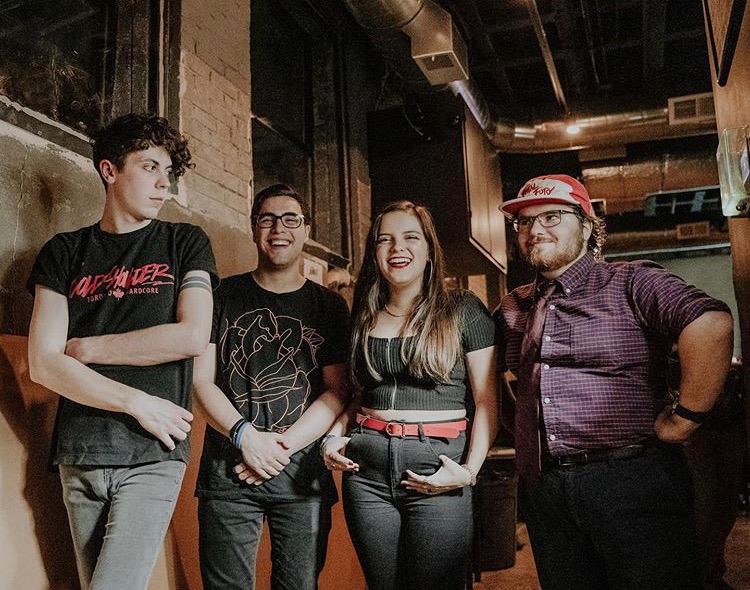
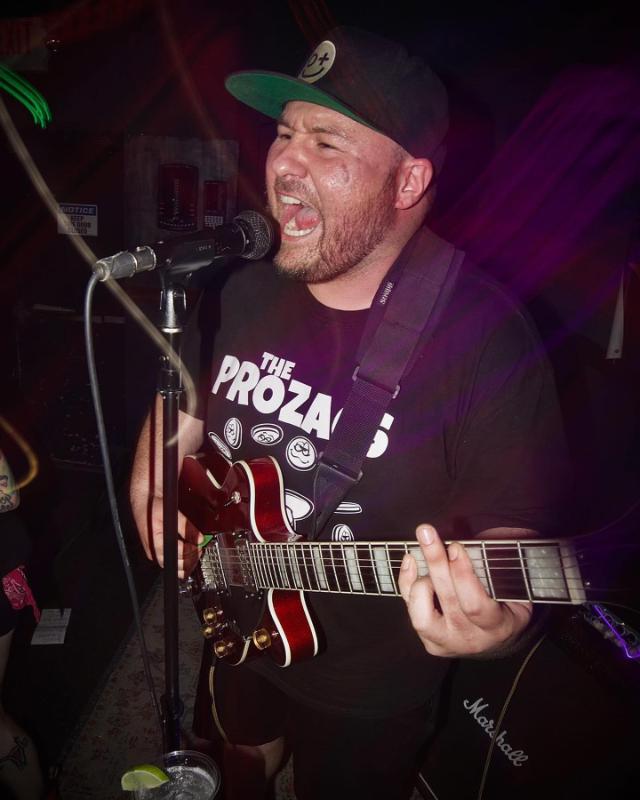
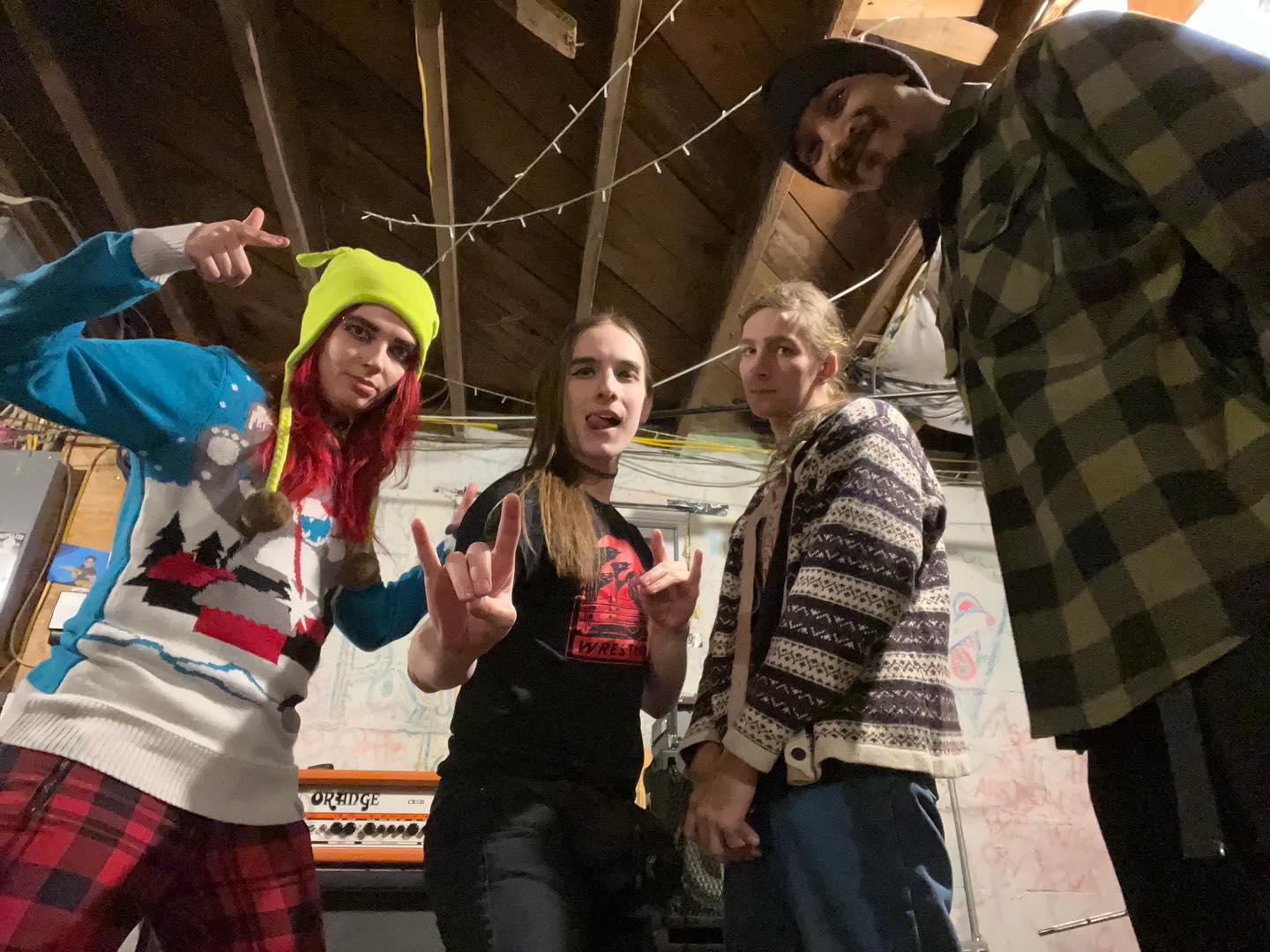
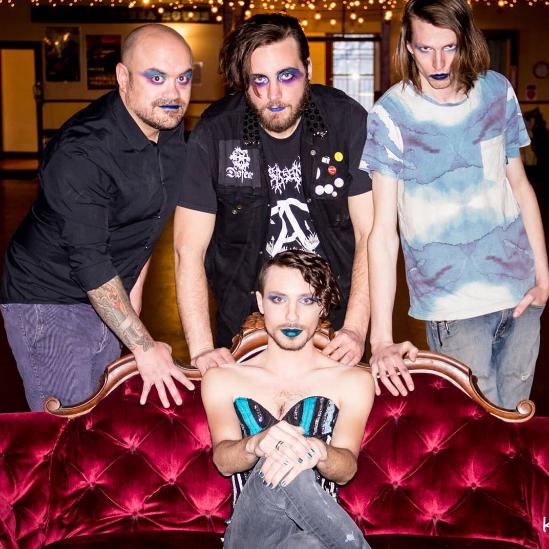
Lavender Scared’s Spotify BioLavender Scared is a queer-punk band formed in Berkeley, CA in 2016, now in Chicago, IL. The group is comprised of married couple Neil Lawrence (on vocals) and Bella King (on guitar, bass and vocals), as well as a rotating cast of rhythm section players. Their first release was the mask4mask EP, after which they cut their teeth playing shows across the West Coast and in the Bay Area’s storied DIY community. During this time, absolutely nobody in the band went to jail for vandalism. In 2019 Lavender Scared released their first full length LP, It Gets Bitter, a loose concept album about the perilous transition between being a drunk gay teenager and a drunk gay adult. The onset of the coronavirus pandemic pushed the band to entirely self-produce and home-record their new music, as well as indulge a long-standing love of folk-punk and country. The result is their new record Hunger No More, a four-song EP recorded in Berkeley and mixed in Chicago, where the band relocated to. Lawrence and… King are both transgender, and at one point or another have both been labeled enemies of the state by multiple politicians, including both the current sitting president and the next up.
Viberate is a music analytics platform built for A&Rs, artist managers, labels, booking agents, marketers, and artists.
It helps music professionals track artist growth, analyze audience data, monitor playlist activity, compare artists, follow song performance, and identify opportunities across the music market.
Public artist pages provide a free preview of selected artist data. Paid plans provide access to deeper analytics, historical data, charts, comparisons, playlist tools, exports, alerts, reports, and additional professional features.
Yes. Public Viberate artist pages provide selected artist analytics and music data for free.
Viberate also offers a 7-day free trial of the full platform. A credit card is required to start the trial. The trial includes access to the complete product so users can test deeper artist analytics, historical views, playlist insights, comparisons, charts, exports, alerts, and reporting features before choosing a paid plan.
Viberate provides artist analytics across streaming, playlists, social media, video, radio airplay, songs, and audience markets.
Users can analyze Spotify performance, Spotify and Apple Music playlists, YouTube activity, TikTok and Instagram growth, radio spins, song performance, audience locations, demographics, rankings, and overall artist momentum.
Artist profiles also connect to music charts, similar artists, and comparison tools, helping users benchmark performance and evaluate artists in context.
Viberate updates key artist and track data daily.
For followed artists and tracks, selected data is refreshed multiple times per day. This helps teams monitor playlist changes, streaming movement, audience growth, releases, and campaign performance with more current data.
Update frequency can vary depending on the metric and data source.
Yes. Viberate lets users compare up to five artists side by side across streaming, social media, audience, and engagement metrics.
Users can compare fanbase growth, audience demographics, locations, Spotify performance, social metrics, and other artist data over selected time periods.
Artist comparison can be used for A&R scouting, benchmarking, booking decisions, campaign planning, and evaluating artists with similar audiences or market positions.