Laurence Hobgood

Jazz
Smooth Jazz
Vocal jazz
 Viberate Rank: 488173
 Viberate Rank: 488173
 Monthly ListenersFollowers
 Subscribers
 Followers
 Followers
 FansTop Spotify Songs
| Track | 7-Day Streams | |
|---|---|---|
1 | 109 | |
2 | 25 | |
3 | 19 | |
4 | 11 | |
5 | 10 |
Top YouTube VideosMonthly ListenersFeatured in Playlists| Playlist | Followers | |
|---|---|---|
1 |  The Gentlemen of Vocal Jazz RL Productions | 14.23K |
2 |  Los Caballeros del Jazz Vocal RL Productions | 12.84K |
3 |  Os Cavalheiros do Jazz Vocal RL Productions | 6.79K |
4 |  Die Gentlemen des Vocal Jazz RL Productions | 4.45K |
5 |  ヴォーカル ジャズの紳士 RL Productions | 4.04K |
Audience| City | Monthly Listeners | |
|---|---|---|
1 |  | 20 |
2 |  | 17 |
3 |  | 11 |
4 |  | 10 |
5 |  | 8 |
See full performance history, audience data, playlist activity, rankings, comparisons, and more in Viberate music analytics. Start with a free trial, then continue with a paid plan.
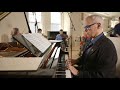
Laurence Hobgood’s Spotify BioProgressive and contemporary jazz piano virtuoso Laurence Hobgood was born on December 23, 1949, in Salisbury, NC, where his father headed the theater department at Catawba College. The family relocated several times during Hobgood's childhood, following his father's professional career. They ultimately landed in Dallas, TX, where his father secured a job and eventually chaired the theater program at Southern Methodist University. A young Hobgood began formal classical piano studies at age six in Dallas, performing his own versions of Bach and Chopin; at age 12 was introduced to blues music through his family's church; and spent three years playing the Fender Rhodes electric piano with a country group called the Kingsmen. Several years later, after moving to Illinois, he began formal training in jazz, first at Urbana High School and then at the University of Illinois/Champaign-Urbana, yet another place where his father was employed. Hobgood was featured for three years in their premier… jazz ensemble led by John Garvey, while his classical studies continued with Ian Hobson.
Upon graduation, Hobgood headed for Chicago and put together his own trio, worked with guitarist Fareed Haque, and by 1992 enlisted drummer Paul Wertico and bassist Eric Hochberg, first as the New Trio and then Union, including bassist Brian Torff. Hobgood also joined a group led by saxophonist Ed Peterson that gigged regularly at the Green Mill nightclub. Peterson was a friend of a then up-and-coming vocalist named Kurt Elling. Hobgood and Elling became fast friends and collaborators, and have been consistently together during Elling's meteoric rise in the jazz vocal world, with Hobgood as his co-producer and music director. Hobgood has recorded several CDs for the British-based NAIM label and has worked in Chicago with Jim Gailloreto, John Moulder, and Brad Wheeler and on a broader scale with Clark Terry, Gary Burton, Eddie Daniels, Sheila Jordan, Bob Mintzer, Mark Whitfield, Jackie Allen, Eden Atwood, and Bob Belden when not with Elling. In 1995, Hobgood and Elling were named Chicagoans of the Year in the Arts by the Chicago Tribune newspaper. They have accrued numerous Grammy and Down Beat magazine nominations, with high placements and awards over the years, and have toured all over America and the world at numerous festivals and in major venues and clubs. They still appear frequently at the Green Mill when they are at home. ~ Michael G. Nastos, Rovi
Viberate is a music analytics platform built for A&Rs, artist managers, labels, booking agents, marketers, and artists.
It helps music professionals track artist growth, analyze audience data, monitor playlist activity, compare artists, follow song performance, and identify opportunities across the music market.
Public artist pages provide a free preview of selected artist data. Paid plans provide access to deeper analytics, historical data, charts, comparisons, playlist tools, exports, alerts, reports, and additional professional features.
Yes. Public Viberate artist pages provide selected artist analytics and music data for free.
Viberate also offers a 7-day free trial of the full platform. A credit card is required to start the trial. The trial includes access to the complete product so users can test deeper artist analytics, historical views, playlist insights, comparisons, charts, exports, alerts, and reporting features before choosing a paid plan.
Viberate provides artist analytics across streaming, playlists, social media, video, radio airplay, songs, and audience markets.
Users can analyze Spotify performance, Spotify and Apple Music playlists, YouTube activity, TikTok and Instagram growth, radio spins, song performance, audience locations, demographics, rankings, and overall artist momentum.
Artist profiles also connect to music charts, similar artists, and comparison tools, helping users benchmark performance and evaluate artists in context.
Viberate updates key artist and track data daily.
For followed artists and tracks, selected data is refreshed multiple times per day. This helps teams monitor playlist changes, streaming movement, audience growth, releases, and campaign performance with more current data.
Update frequency can vary depending on the metric and data source.
Yes. Viberate lets users compare up to five artists side by side across streaming, social media, audience, and engagement metrics.
Users can compare fanbase growth, audience demographics, locations, Spotify performance, social metrics, and other artist data over selected time periods.
Artist comparison can be used for A&R scouting, benchmarking, booking decisions, campaign planning, and evaluating artists with similar audiences or market positions.