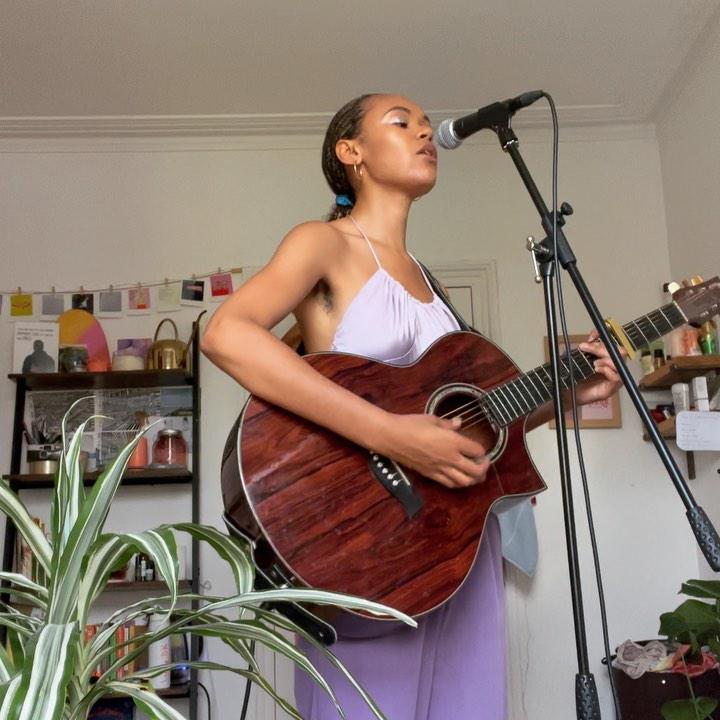
Laura Holliday

Pop
Indie Pop
Mainstream Pop
 Viberate Rank: 633277
 Viberate Rank: 633277
 Monthly ListenersFollowers
 Subscribers
 Followers
 Followers
 FansTop Spotify Songs
| Track | 7-Day Streams | |
|---|---|---|
1 | 27 | |
2 | 23 | |
3 | 8 | |
4 | 6 | |
5 | 5 |
Top YouTube VideosMonthly ListenersFeatured in PlaylistsAudience| City | Monthly Listeners | |
|---|---|---|
1 | | 7 |
2 |  | 3 |
3 |  | 3 |
See full performance history, audience data, playlist activity, rankings, comparisons, and more in Viberate music analytics. Start with a free trial, then continue with a paid plan.
Laura Holliday’s Spotify BioLaura Holliday (she/they) is a singer songwriter and actor based in LA, originally from West Virginia. They’ve been writing music and weird poems since childhood.
After an adolescence spent auditioning for Disney & Nickelodeon and never quite making it, Laura attended Idyllwild Arts Academy in California to complete high school. There she wrote/recorded soundtracks for student films, allowing her to try on different styles and genres and get hours in a studio. The writing chops displayed in these songs caught the attention of LA based music manager Bill Leopold, best known for managing Melissa Etheridge, who became a mentor.
Laura wrote/recorded 2 albums as part of the electropop duo “L & that Blue Eyed Boy” while also embarking on a film career- writing, directing and acting in comedy for outlets like Comedy Central and Funny or Die.
Laura returned to playing live as a solo artist and independently recording new music in 2019. They opened for Chappell Roan at an intimate house show, and… their song “Vigilant” is featured in the trailer of the 2025 coming of age drama film “Disfluency” about the aftermath of sexual assault on a college campus.
They identify as queer, chronically ill and neurodivergent. Their music explores these identities and strives to integrate them, and their accompanying language, into widely relatable, catchy pop songs.
They are influenced by the folk music of their Appalachian roots, modern hyperpop and early 2000’s sad-guy bands.
Viberate is a music analytics platform built for A&Rs, artist managers, labels, booking agents, marketers, and artists.
It helps music professionals track artist growth, analyze audience data, monitor playlist activity, compare artists, follow song performance, and identify opportunities across the music market.
Public artist pages provide a free preview of selected artist data. Paid plans provide access to deeper analytics, historical data, charts, comparisons, playlist tools, exports, alerts, reports, and additional professional features.
Yes. Public Viberate artist pages provide selected artist analytics and music data for free.
Viberate also offers a 7-day free trial of the full platform. A credit card is required to start the trial. The trial includes access to the complete product so users can test deeper artist analytics, historical views, playlist insights, comparisons, charts, exports, alerts, and reporting features before choosing a paid plan.
Viberate provides artist analytics across streaming, playlists, social media, video, radio airplay, songs, and audience markets.
Users can analyze Spotify performance, Spotify and Apple Music playlists, YouTube activity, TikTok and Instagram growth, radio spins, song performance, audience locations, demographics, rankings, and overall artist momentum.
Artist profiles also connect to music charts, similar artists, and comparison tools, helping users benchmark performance and evaluate artists in context.
Viberate updates key artist and track data daily.
For followed artists and tracks, selected data is refreshed multiple times per day. This helps teams monitor playlist changes, streaming movement, audience growth, releases, and campaign performance with more current data.
Update frequency can vary depending on the metric and data source.
Yes. Viberate lets users compare up to five artists side by side across streaming, social media, audience, and engagement metrics.
Users can compare fanbase growth, audience demographics, locations, Spotify performance, social metrics, and other artist data over selected time periods.
Artist comparison can be used for A&R scouting, benchmarking, booking decisions, campaign planning, and evaluating artists with similar audiences or market positions.