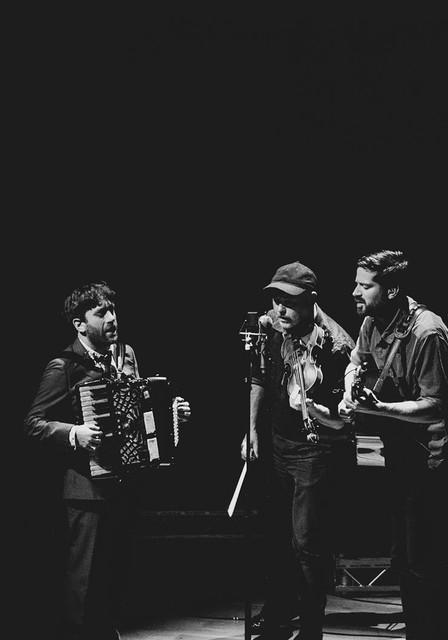
Lau

European
Celtic
Folk
 Viberate Rank: 168823
 Viberate Rank: 168823
 Monthly ListenersFollowers
 Subscribers
 Followers
 Followers
 FansTop Spotify Songs
| Track | 7-Day Streams | |
|---|---|---|
1 | 4.08K | |
2 | 3.65K | |
3 | 1.55K | |
4 | 915 | |
5 | 737 |
Top YouTube VideosMonthly ListenersFeatured in Playlists| Playlist | Followers | |
|---|---|---|
1 |  Instrumental Folk (Celtic, Irish, Nordic) cjshearer | 29.03K |
2 |  Scottish Folk Songs Mix Chilly Badger Records | 12.63K |
3 |  RHYTHM SECTION HQ Rhythm Section International | 11.57K |
4 | FLOORTJE Naar Het Einde Van De Wereld Jochem Schoonenberg | 6.72K |
5 |  Nederlandse Feestmuziek sander1530 | 6.53K |
Audience| City | Monthly Listeners | |
|---|---|---|
1 | | 1.94K |
2 | | 911 |
3 |  | 783 |
4 | | 634 |
5 | | 368 |
See full performance history, audience data, playlist activity, rankings, comparisons, and more in Viberate music analytics. Start with a free trial, then continue with a paid plan.
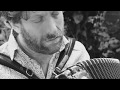
Lau’s Spotify BioNamed after an Orcadian word meaning "natural light" (though they deliberately misspelled it from "lowe"), Lau formed in Edinburgh in 2006 and were quickly hailed as a band of rare innovation and invention. The three founders, Aidan O'Rourke, Kris Drever, and Martin Green, were all much admired musicians in their own right, widely experienced playing in various disparate bands, but in all cases Lau represents their most challenging and satisfying musical advance in a band set up as a deliberate antidote to the legions of hyperactive jigs 'n' reels outfits backed by drum and bass found all over Scotland. Introducing unusual rhythms, jazz influences, and a certain amount of improvisation, they created a subtly provocative style of arrangements and tune-playing basically not heard before in the folk circles they mostly frequented. They met on the vibrant Edinburgh session scene where jazz musicians also congregated and there was much spontaneous crossover between jazz and folk.
O'Rourke,… an explosive fiddle player from Seil off the west coast of Scotland, first went on the road at 15, becoming a member of Blazing Fiddles and at the age of 19 formed Tabache with Claire Mann. He also became a member of Unusual Suspects and fusion band Kevin Mackenzie's Vital Signs, made his first solo album, Sirius, in 2003, and formed Sunhoney with Donald Hay and Alyth McCormack, mixing trad tunes with jazz and hip-hop. Instrumentalist of the Year at the 2005 Scottish Traditional Music Awards, O'Rourke had already played on over 50 albums before resolving to start a new band with Drever and Green. The son of Ivan Drever of folk-rock band Wolfstone, Kris Drever had also built a big reputation since leaving his home in the Orkneys for Edinburgh, his intuitive guitar style and laid-back singing becoming a feature of various outfits, and he'd already recorded his debut solo album, Black Water, when Lau got underway. English accordion player Martin Green is from Cambridge, built his own reputation as a dazzling, live-wire box player in bands like Whiskey Before Breakfast and the Joe Townsend Band, and spent several years with Eliza Carthy's band, including a duet album Dinner, with Carthy in 2001. A move to Scotland to be with his girlfriend introduced him to the Edinburgh session scene and facilitated the formation of Lau.
After several months of dedicated rehearsal in O'Rourke's kitchen, putting together a set of all original tunes, they made their debut with gigs at the Leith Folk Club and Edinburgh Festival in 2006. The empathetic interplay and unexpected twists in their music made them an instant hit, partly because nobody -- not even the bandmembers -- knew exactly what they'd do next. "Nothing is purely improvised but there are certain tracks with a designated window to allow improvisation," said O'Rourke. "It can be a big window or a little window depending on the gig." Their debut album, Lightweights & Gentlemen, a mix of their own tunes and unusual interpretations of songs like "Freeborn Man" and "Unquiet Grave," was released early in 2007 to great acclaim, though everyone -- including each of the bandmembers -- has struggled to find a phrase that would accurately describe the music. One review describing the music as "sublime, anarchic modern folk music" perhaps captured their spirit best. Around the same time, all three members of Lau also founded the experimental left-field band Parallelogram.
The following year the trio released Live. Capturing a performance at the Bongo Club, Edinburgh, at the end of 2007, the album served as a companion piece to their debut and featured live renditions of many of the tracks. 2009 saw the trio release their sophomore studio album, Arc Light. Once again, they pushed the boundaries of contemporary, modern folk music while also ending the album with a unique take on the Beatles' "Dear Prudence." Self-released EPs with Karine Polwart and Adem appeared in the next two years before the trio returned with their third studio album, Race the Loser, in 2012. For their fourth album, the trio headed to Castlesound Studios in Scotland, with Joan Wasser (better known as Joan as Police Woman) in the producer's chair. The resulting The Bell That Never Rang, appeared mid-2015. Celebrating ten years since their first release, the trio issued the career retrospective, Decade: The Best of 2007-2017. They also headed out on tour in support of the release, playing a selection of tracks from their back catalog. ~ Colin Irwin, Rovi
Viberate is a music analytics platform built for A&Rs, artist managers, labels, booking agents, marketers, and artists.
It helps music professionals track artist growth, analyze audience data, monitor playlist activity, compare artists, follow song performance, and identify opportunities across the music market.
Public artist pages provide a free preview of selected artist data. Paid plans provide access to deeper analytics, historical data, charts, comparisons, playlist tools, exports, alerts, reports, and additional professional features.
Yes. Public Viberate artist pages provide selected artist analytics and music data for free.
Viberate also offers a 7-day free trial of the full platform. A credit card is required to start the trial. The trial includes access to the complete product so users can test deeper artist analytics, historical views, playlist insights, comparisons, charts, exports, alerts, and reporting features before choosing a paid plan.
Viberate provides artist analytics across streaming, playlists, social media, video, radio airplay, songs, and audience markets.
Users can analyze Spotify performance, Spotify and Apple Music playlists, YouTube activity, TikTok and Instagram growth, radio spins, song performance, audience locations, demographics, rankings, and overall artist momentum.
Artist profiles also connect to music charts, similar artists, and comparison tools, helping users benchmark performance and evaluate artists in context.
Viberate updates key artist and track data daily.
For followed artists and tracks, selected data is refreshed multiple times per day. This helps teams monitor playlist changes, streaming movement, audience growth, releases, and campaign performance with more current data.
Update frequency can vary depending on the metric and data source.
Yes. Viberate lets users compare up to five artists side by side across streaming, social media, audience, and engagement metrics.
Users can compare fanbase growth, audience demographics, locations, Spotify performance, social metrics, and other artist data over selected time periods.
Artist comparison can be used for A&R scouting, benchmarking, booking decisions, campaign planning, and evaluating artists with similar audiences or market positions.