Lateduster

Rock
Alternative Rock
Post Rock
 Viberate Rank: 812005
 Viberate Rank: 812005
 Monthly ListenersFollowers
 Subscribers
 Followers
 Followers
 FansTop Spotify Songs
| Track | 7-Day Streams | |
|---|---|---|
1 | 45 | |
2 | 18 | |
3 | 18 | |
4 | 9 | |
5 | 9 |
Top YouTube VideosMonthly ListenersFeatured in Playlists| Playlist | Followers | |
|---|---|---|
1 | Ambient Electronic cotter | 32.64K |
2 |  Music for Programming redconfetti | 8.51K |
3 |  TRADING MUSEUM COMME des GARÇONS Setsuya KUROTAKI | 1.06K |
Audience| City | Monthly Listeners | |
|---|---|---|
1 |  | 7 |
2 | | 7 |
3 | | 7 |
4 | | 5 |
5 | | 5 |
See full performance history, audience data, playlist activity, rankings, comparisons, and more in Viberate music analytics. Start with a free trial, then continue with a paid plan.
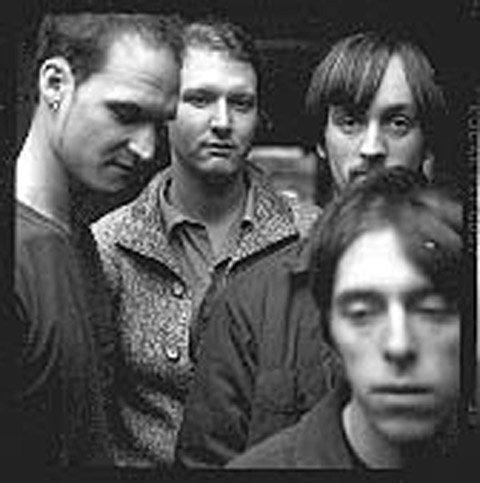
Lateduster’s Spotify BioLateduster was formed by guitarist JG Everest (Neotropic, Skemp & Weather, Roma di Luna) in 1998 as a spinoff project from his collective improvisational ensemble Fresh Squeez that played monthly multi-set jam sessions at the Freeloaded Wednesdays series he curated at The Front venue in Minneapolis from 1996-98. The band was originally called Cropduster, and featured a symmetrical lineup of two guitars (JG Everest & Bryan Olson (The Sensational Joint Chiefs) two drum kits, (Martin Dosh (Dosh) & Damon Ewing) and two DJs on 4 turntables (Andrew Broder (FOG) & DJ Stage One aka Ryan Dillard) and were recognized as a "super group" of Minneapolis musicians. Within their first year, the lineup was pared down to a quartet of Everest, Dosh, Broder, and Olson, and they changed their name to Lateduster, focusing on instrumental post rock mood music. A breakthrough gig was opening for @Golden Smog at First Avenue in late 1999. They released a series of handmade EPs, the first of which was recorded… with Jeremy Ylvisaker (Andrew Bird, Alpha Consumer ). All members are multi-instrumentalists, and would switch instruments on various songs. In 2001, they performed in London, U.K., where NME described their set as “…electrifying fusioneering explosions which scorch the tedium of the post rock set with sheer ambition and invention…”
Viberate is a music analytics platform built for A&Rs, artist managers, labels, booking agents, marketers, and artists.
It helps music professionals track artist growth, analyze audience data, monitor playlist activity, compare artists, follow song performance, and identify opportunities across the music market.
Public artist pages provide a free preview of selected artist data. Paid plans provide access to deeper analytics, historical data, charts, comparisons, playlist tools, exports, alerts, reports, and additional professional features.
Yes. Public Viberate artist pages provide selected artist analytics and music data for free.
Viberate also offers a 7-day free trial of the full platform. A credit card is required to start the trial. The trial includes access to the complete product so users can test deeper artist analytics, historical views, playlist insights, comparisons, charts, exports, alerts, and reporting features before choosing a paid plan.
Viberate provides artist analytics across streaming, playlists, social media, video, radio airplay, songs, and audience markets.
Users can analyze Spotify performance, Spotify and Apple Music playlists, YouTube activity, TikTok and Instagram growth, radio spins, song performance, audience locations, demographics, rankings, and overall artist momentum.
Artist profiles also connect to music charts, similar artists, and comparison tools, helping users benchmark performance and evaluate artists in context.
Viberate updates key artist and track data daily.
For followed artists and tracks, selected data is refreshed multiple times per day. This helps teams monitor playlist changes, streaming movement, audience growth, releases, and campaign performance with more current data.
Update frequency can vary depending on the metric and data source.
Yes. Viberate lets users compare up to five artists side by side across streaming, social media, audience, and engagement metrics.
Users can compare fanbase growth, audience demographics, locations, Spotify performance, social metrics, and other artist data over selected time periods.
Artist comparison can be used for A&R scouting, benchmarking, booking decisions, campaign planning, and evaluating artists with similar audiences or market positions.