Last Train Home

Country
Americana/Alt Country
Folk Rock
 Viberate Rank: 444709
 Viberate Rank: 444709
 Monthly ListenersFollowers
 Subscribers
 Followers
 Followers
 FansTop Spotify Songs
| Track | 7-Day Streams | |
|---|---|---|
1 | 170 | |
2 | 158 | |
3 | 54 | |
4 | 41 | |
5 | 28 |
Top YouTube VideosMonthly ListenersFeatured in Playlists| Playlist | Followers | |
|---|---|---|
1 |  Justified - Complete Seasons Soundtrack Tony Pantano | 6.34K |
2 | Justified Soundtrack Scott Gaugler | 4.37K |
3 |  BAD ASS Blues 🕶 Johan Dahlkvist | 3.66K |
4 |  Blues badass Darko Bjekovic | 3.43K |
5 |  The Sound of Alternative Country The Sounds of Spotify | 2.11K |
Audience| City | Monthly Listeners | |
|---|---|---|
1 | | 23 |
2 | | 14 |
3 | | 14 |
4 | | 13 |
5 | | 12 |
See full performance history, audience data, playlist activity, rankings, comparisons, and more in Viberate music analytics. Start with a free trial, then continue with a paid plan.
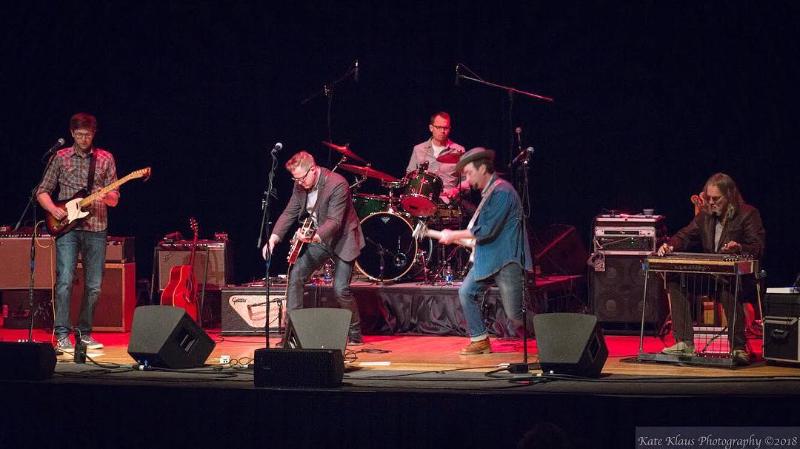
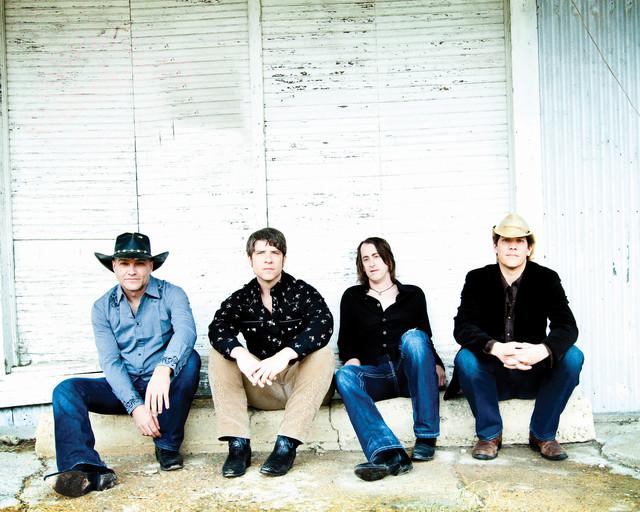
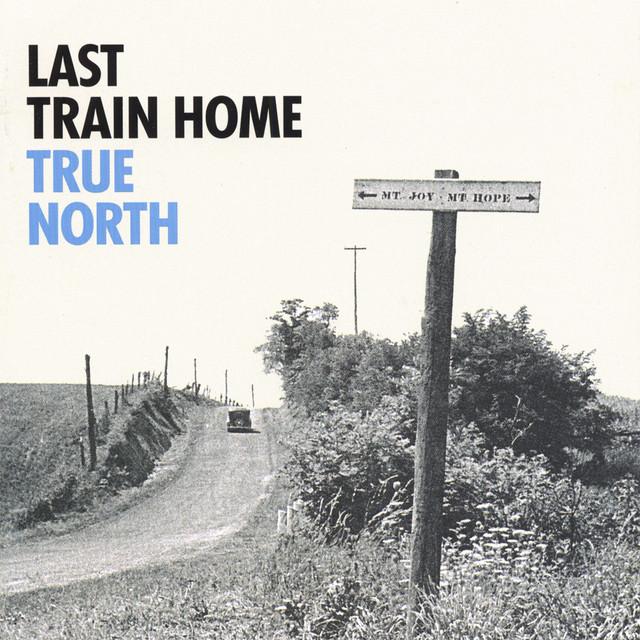
Last Train Home’s Spotify BioLast Train Home is known for its melodic, earnest country-rock. The beginnings of Last Train Home can be traced back to an opening slot for the Waco Brothers in 1997 at the Black Cat club in Washington, D.C. Frontman Eric Brace, who was born in California and raised in the D.C. area (his father was an urban planner), had begun playing live music at Tufts college near Boston with the bluegrass band the Mystic Valley Mountaineers. His brother, mandolin and harmonica player Alan Brace, had played with the Pinetop Rhythm Band in Fort Collins, CO. In the mid-'80s, the brothers formed B-Time, a guitar pop/new wave band that released an EP. After that, the Braces moved on to the Beggars, joining with future Last Train Home pedal steel player Dave Van Allen and other musicians.
The Beggars, a more rootsy outfit, lasted for only a short time and Eric ended up playing bass in Kevin Johnson and the Linemen, along with future Last Train Home guitarist Bill Williams. Eric and Williams left the group… in 1994 and rejoined with Alan, Scott McKnight (bass), Evan Pollack (drums), and mandolin player James Key. They eventually called themselves Last Train Home after a song Eric and Jim Greenfield had written in the '80s. When this version of the group disintegrated, Martin Lynds (drums) and Jim Gray (bass) were recruited. Gray had been a bassist with Kelly Willis' first group Kelly & the Fireballs. This is the incarnation that opened for the Wacos, beginning the definitive career of Last Train Home. A self-titled debut followed shortly after, in December 1997. Scott McKnight rejoined a couple of years later and the group released the album True North in 1999. The band has also recorded songs for tributes to the Blasters and Gene Clark. Frontman Eric Brace is also a music journalist and arts editor at The Washington Post. ~ Erik Hage, Rovi
Viberate is a music analytics platform built for A&Rs, artist managers, labels, booking agents, marketers, and artists.
It helps music professionals track artist growth, analyze audience data, monitor playlist activity, compare artists, follow song performance, and identify opportunities across the music market.
Public artist pages provide a free preview of selected artist data. Paid plans provide access to deeper analytics, historical data, charts, comparisons, playlist tools, exports, alerts, reports, and additional professional features.
Yes. Public Viberate artist pages provide selected artist analytics and music data for free.
Viberate also offers a 7-day free trial of the full platform. A credit card is required to start the trial. The trial includes access to the complete product so users can test deeper artist analytics, historical views, playlist insights, comparisons, charts, exports, alerts, and reporting features before choosing a paid plan.
Viberate provides artist analytics across streaming, playlists, social media, video, radio airplay, songs, and audience markets.
Users can analyze Spotify performance, Spotify and Apple Music playlists, YouTube activity, TikTok and Instagram growth, radio spins, song performance, audience locations, demographics, rankings, and overall artist momentum.
Artist profiles also connect to music charts, similar artists, and comparison tools, helping users benchmark performance and evaluate artists in context.
Viberate updates key artist and track data daily.
For followed artists and tracks, selected data is refreshed multiple times per day. This helps teams monitor playlist changes, streaming movement, audience growth, releases, and campaign performance with more current data.
Update frequency can vary depending on the metric and data source.
Yes. Viberate lets users compare up to five artists side by side across streaming, social media, audience, and engagement metrics.
Users can compare fanbase growth, audience demographics, locations, Spotify performance, social metrics, and other artist data over selected time periods.
Artist comparison can be used for A&R scouting, benchmarking, booking decisions, campaign planning, and evaluating artists with similar audiences or market positions.