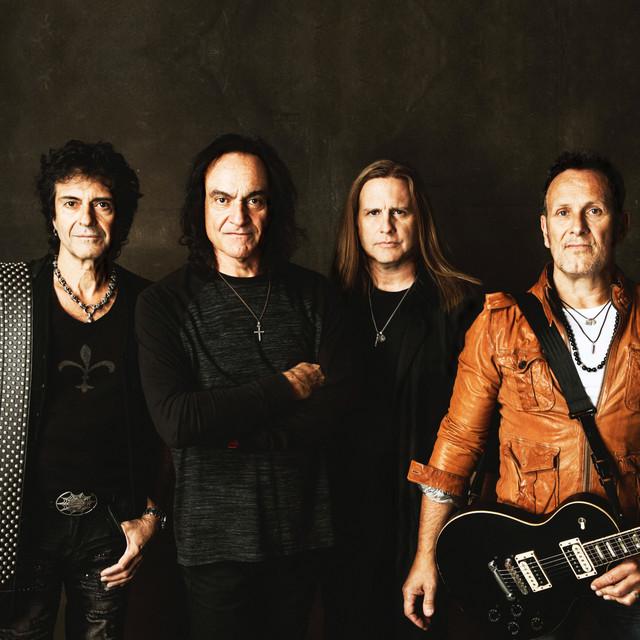
Last in Line

Rock
Hard Rock
 Viberate Rank: 155564
 Viberate Rank: 155564
 Monthly ListenersFollowers
 Subscribers
 Followers
 Followers
 FansTop Spotify Songs
| Track | 7-Day Streams | |
|---|---|---|
1 | 340 | |
2 | 307 | |
3 | 140 | |
4 | 121 | |
5 | 83 |
Top YouTube Videos| Video | 7-Day Views | |
|---|---|---|
1 | 679 | |
2 | 341 | |
3 | 111 | |
4 | 100 | |
5 | 75 |
Monthly ListenersFeatured in Playlists| Playlist | Followers | |
|---|---|---|
1 |  Download Festival 2019 Download Festival | 6.67K |
2 |  Guitar Rock gilestunes | 4.06K |
3 |  Classic Rock Forever earMUSIC | 3.71K |
4 |  Best Motorcycle Hard Rock Cesar Viejo | 2.87K |
5 |  I Wanna Rock JaviFlames | 2.26K |
Audience| City | Monthly Listeners | |
|---|---|---|
1 |  | 37 |
2 |  | 32 |
3 | | 30 |
4 |  | 26 |
5 | | 26 |
See full performance history, audience data, playlist activity, rankings, comparisons, and more in Viberate music analytics. Start with a free trial, then continue with a paid plan.
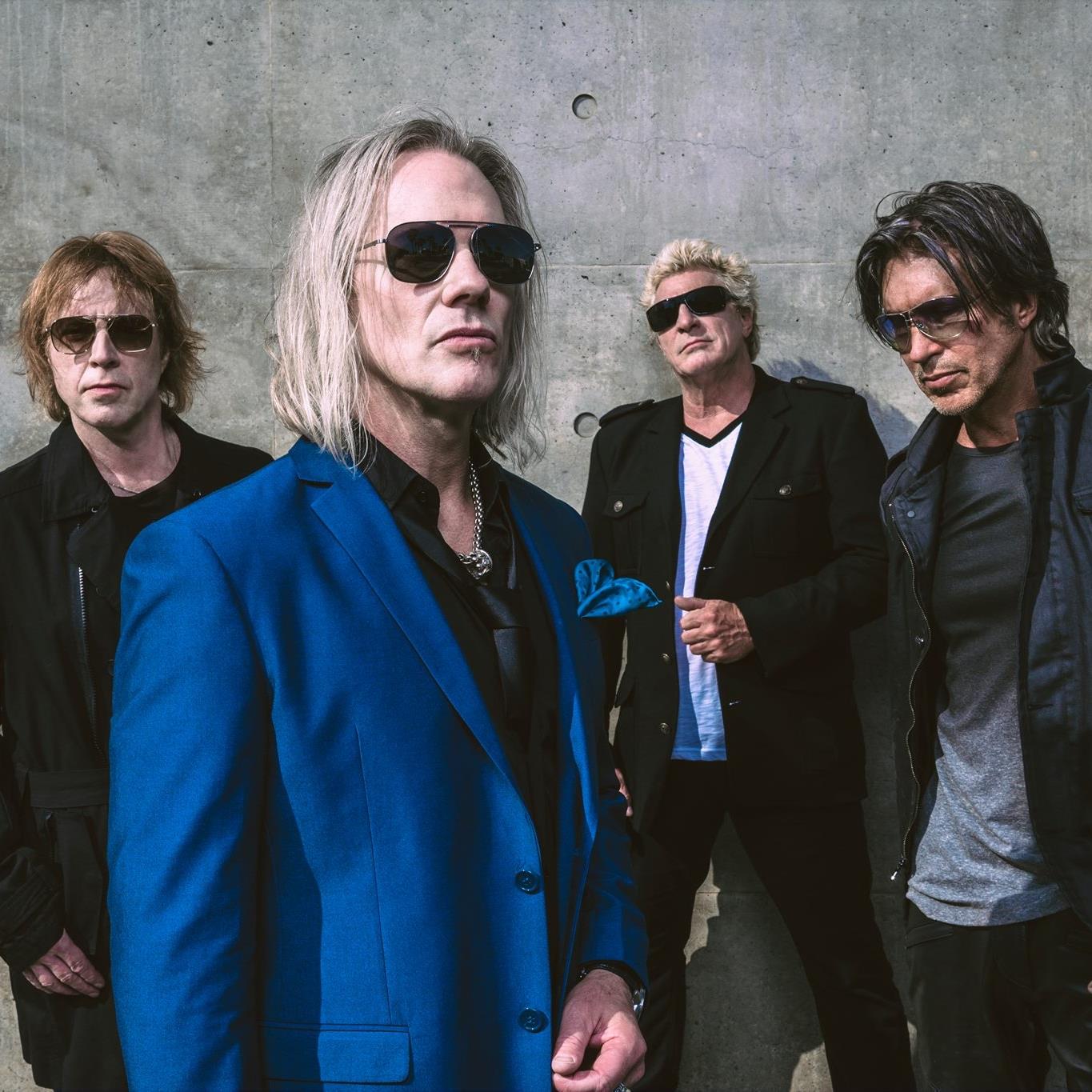
Last in Line’s Spotify BioLast In Line are an American based classic rock band formed out of the original lineup of Dio. Founded in 2012 the band evolved from the dramatic, sonically heavy and melodically powerful hard rock style of their origins, to issue their debut album "Heavy Crown" which was produced by Jeff Pilson (Dokken) in 2016.
Featuring guitarist Vivian Campbell, drummer Vinny Appice, vocalist Andrew Freeman and original bassist Jimmy Bain, tragedy struck moments prior to the release of the debut, when Jimmy Bain passed away.
Last in Line decided to ultimately soldier on recruiting seasoned bass player Phil Soussan (Ozzy Osbourne, Billy Idol, Vince Neil Band) to tour the new "Heavy Crown" release on Frontiers Records in February 2016. During the tour it became evident that the band was continuing to evolve its own signature spirit and so a decision was made to create a follow up album. The sophomore album aptly named "II" was released in February 2019 to great critical acclaim and the band… completed an extensive world touring schedule, culminating in an appearance at the 2019 prestigious Download Festival.
During the Pandemic hiatus the band announced a limited-edition EP released in 2022 that featured a hard and heavy cover of the Beatles masterpiece "A Day in the Life" to carry over to the release of their third album "Jericho" which is scheduled for March 2023.
First release "Ghost Town" is a sonic evolution crediting the DNA from that classic original DIO point of inception.
Viberate is a music analytics platform built for A&Rs, artist managers, labels, booking agents, marketers, and artists.
It helps music professionals track artist growth, analyze audience data, monitor playlist activity, compare artists, follow song performance, and identify opportunities across the music market.
Public artist pages provide a free preview of selected artist data. Paid plans provide access to deeper analytics, historical data, charts, comparisons, playlist tools, exports, alerts, reports, and additional professional features.
Yes. Public Viberate artist pages provide selected artist analytics and music data for free.
Viberate also offers a 7-day free trial of the full platform. A credit card is required to start the trial. The trial includes access to the complete product so users can test deeper artist analytics, historical views, playlist insights, comparisons, charts, exports, alerts, and reporting features before choosing a paid plan.
Viberate provides artist analytics across streaming, playlists, social media, video, radio airplay, songs, and audience markets.
Users can analyze Spotify performance, Spotify and Apple Music playlists, YouTube activity, TikTok and Instagram growth, radio spins, song performance, audience locations, demographics, rankings, and overall artist momentum.
Artist profiles also connect to music charts, similar artists, and comparison tools, helping users benchmark performance and evaluate artists in context.
Viberate updates key artist and track data daily.
For followed artists and tracks, selected data is refreshed multiple times per day. This helps teams monitor playlist changes, streaming movement, audience growth, releases, and campaign performance with more current data.
Update frequency can vary depending on the metric and data source.
Yes. Viberate lets users compare up to five artists side by side across streaming, social media, audience, and engagement metrics.
Users can compare fanbase growth, audience demographics, locations, Spotify performance, social metrics, and other artist data over selected time periods.
Artist comparison can be used for A&R scouting, benchmarking, booking decisions, campaign planning, and evaluating artists with similar audiences or market positions.