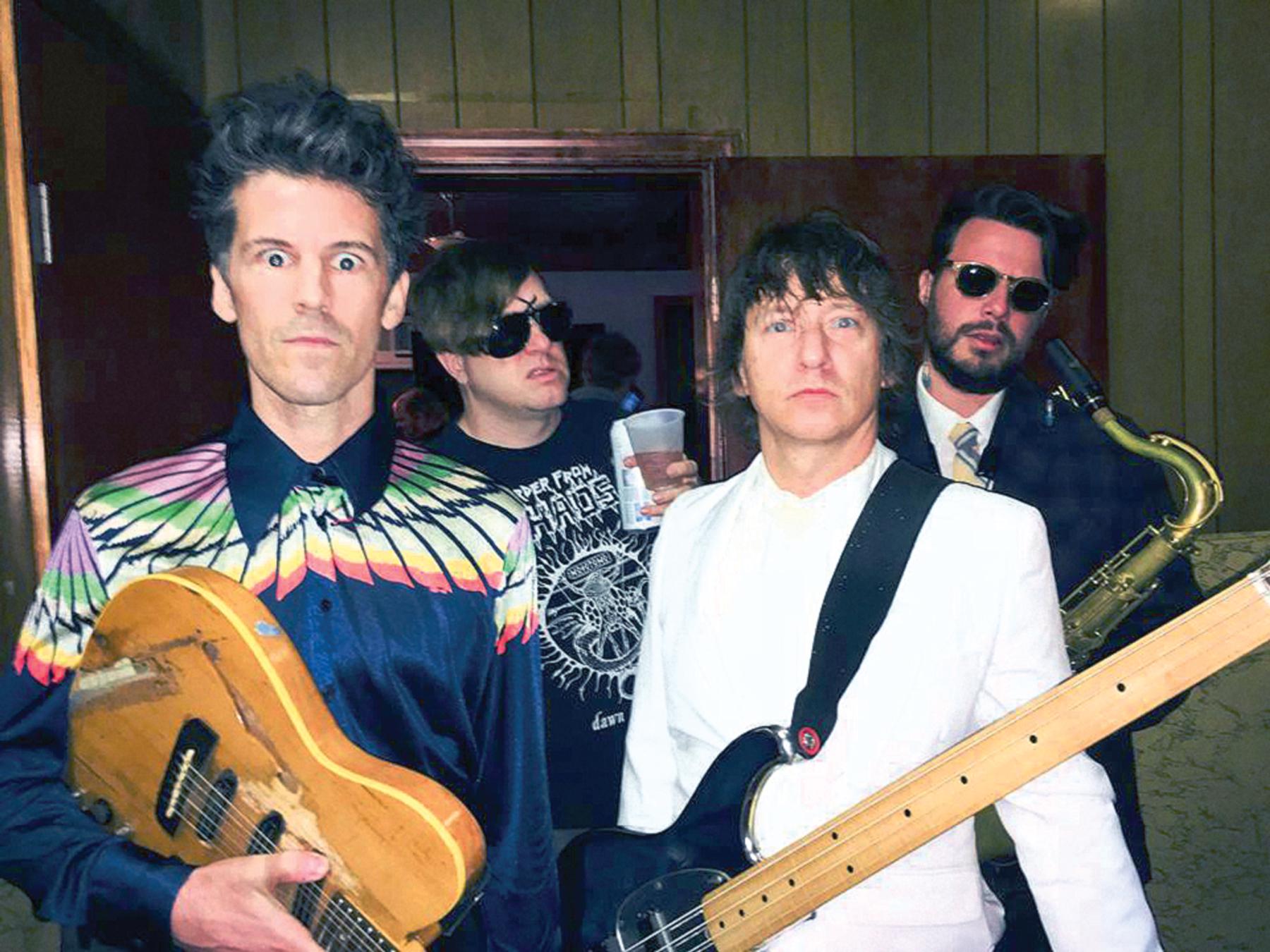
Last Exit

Jazz
Free Jazz
Avant-garde Jazz
Jazz Fusion
 Viberate Rank: 327193
 Viberate Rank: 327193
 Monthly ListenersFollowers
 Subscribers
 Followers
 Followers
 FansTop Spotify Songs
| Track | 7-Day Streams | |
|---|---|---|
1 | 233 | |
2 | 105 | |
3 | 90 | |
4 | 64 | |
5 | 54 |
Top YouTube VideosMonthly ListenersFeatured in Playlists| Playlist | Followers | |
|---|---|---|
1 |  The Sound of Free Jazz The Sounds of Spotify | 10.46K |
2 |  Matador Recommends Matador Records | 4.81K |
3 |  The Sound of Avant-Garde Jazz The Sounds of Spotify | 4.05K |
4 |  Fintan's favorite jazz songs fintan.mathis | 3.12K |
5 |  The Sound of Experimental Rock The Sounds of Spotify | 3.10K |
Audience| City | Monthly Listeners | |
|---|---|---|
1 |  | 31 |
2 | | 18 |
3 | | 16 |
4 | | 13 |
5 | | 13 |
See full performance history, audience data, playlist activity, rankings, comparisons, and more in Viberate music analytics. Start with a free trial, then continue with a paid plan.
Last Exit’s Spotify BioWhen it comes to avant-garde jazz-rock noise, few bands kicked out the jams better than did Last Exit. A who's who of jazz players with punk-ass attitudes, Last Exit -- guitarist Sonny Sharrock, bassist Bill Laswell, drummer Ronald Shannon Jackson, and saxophonist Peter Brötzmann -- could swing, rock, and create an all-out free jazz din all in the blink of an eye. More important, Last Exit were about the thrill and danger of total improvisation; so much did they believe in this concept that their debut performance in Zurich in 1986 was completely improvised and unrehearsed. Granted, one person's free improvisation is another's tuneless chaos, but Last Exit, due primarily to the skill of the individuals involved, only infrequently fell off the precipice into the netherworld of arty wanking. These four men belonged together emotionally, intellectually, and musically: Sharrock had gotten his start playing blues, but rebelled against structured, proper guitar technique, preferring to play… sheets of atonal metallic distortion; Shannon Jackson grew up playing Texas blues, but through working with players such as James Blood Ulmer, explored a percussive world that was not regimented by time and meter; Bill Laswell played and produced rock, funk, and "straight" jazz, and in Last Exit he mashed all of these influences into one feral ball of noise and rhythm; and Peter Brötzmann didn't simply blow sax, he blew it to bits as if his life depended on it.
For a group so driven by improvisation, it is not surprising to find out that much of Last Exit's catalog consists of live recordings. What is inescapable is Last Exit's power; not only did they play ferociously, they played at maximum volume, improvised jazz-rock at Motörhead decibel levels. When angry audience members confronted the band during a gig complaining about the volume, Shannon Jackson not so subtly suggested they take their sorry asses home. The playing is intricate, wildly adventurous, frequently funny, and, perhaps most important, a tribute to musical democracy in action. Any one of these players could take over a tune and dominate, but the reality of Last Exit live was that there was a relaxed, almost intuitive give and take to their performances, as if each musician knew when to blow hard and when to quiet down, when to take the space to solo and when to lay back. Even more amazing was the fact that Last Exit's audience was becoming younger and less identified with traditional jazz audiences. The band's assaultive approach to improvisation was attractive to punk rockers and adventurous speed metal fans.
Because of the reputations of the individual players (Brötzmann being the least well known of the group in America), as well as Laswell's position as a big-shot producer (Motörhead, Iggy Pop, Herbie Hancock), Last Exit got a major-label shot with Virgin in 1988. They never became huge, but they continued touring in between various solo projects until they called it a career after the tragic death of Sonny Sharrock in 1994. (Ronald Shannon Jackson died in 2013 after a battle with leukemia.) Thankfully, there is plenty of Last Exit to be heard, and, rumor has it, plenty of live recordings still in the can. ~ John Dougan, Rovi
Viberate is a music analytics platform built for A&Rs, artist managers, labels, booking agents, marketers, and artists.
It helps music professionals track artist growth, analyze audience data, monitor playlist activity, compare artists, follow song performance, and identify opportunities across the music market.
Public artist pages provide a free preview of selected artist data. Paid plans provide access to deeper analytics, historical data, charts, comparisons, playlist tools, exports, alerts, reports, and additional professional features.
Yes. Public Viberate artist pages provide selected artist analytics and music data for free.
Viberate also offers a 7-day free trial of the full platform. A credit card is required to start the trial. The trial includes access to the complete product so users can test deeper artist analytics, historical views, playlist insights, comparisons, charts, exports, alerts, and reporting features before choosing a paid plan.
Viberate provides artist analytics across streaming, playlists, social media, video, radio airplay, songs, and audience markets.
Users can analyze Spotify performance, Spotify and Apple Music playlists, YouTube activity, TikTok and Instagram growth, radio spins, song performance, audience locations, demographics, rankings, and overall artist momentum.
Artist profiles also connect to music charts, similar artists, and comparison tools, helping users benchmark performance and evaluate artists in context.
Viberate updates key artist and track data daily.
For followed artists and tracks, selected data is refreshed multiple times per day. This helps teams monitor playlist changes, streaming movement, audience growth, releases, and campaign performance with more current data.
Update frequency can vary depending on the metric and data source.
Yes. Viberate lets users compare up to five artists side by side across streaming, social media, audience, and engagement metrics.
Users can compare fanbase growth, audience demographics, locations, Spotify performance, social metrics, and other artist data over selected time periods.
Artist comparison can be used for A&R scouting, benchmarking, booking decisions, campaign planning, and evaluating artists with similar audiences or market positions.