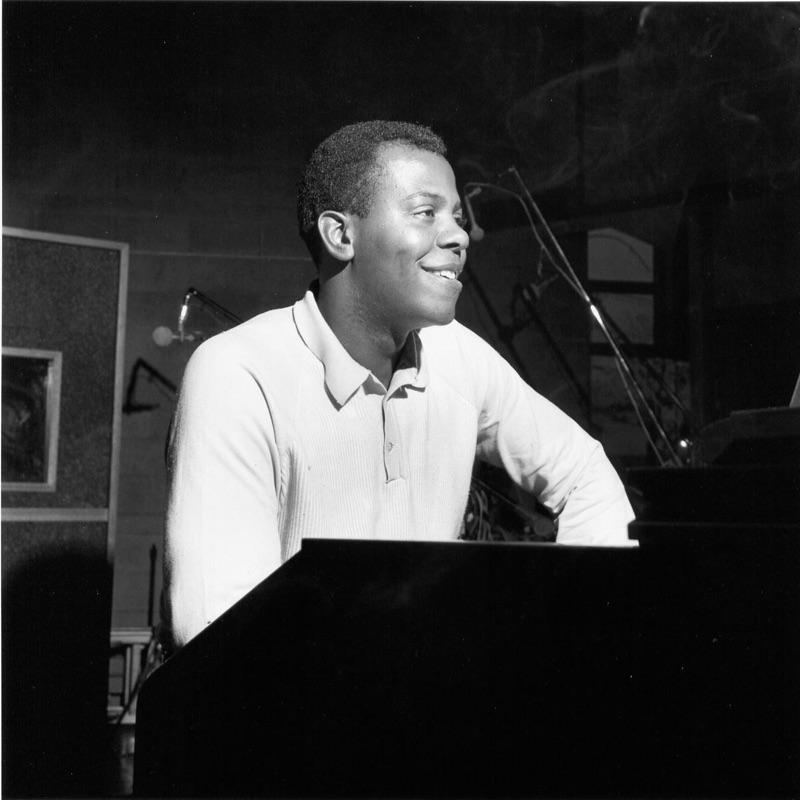
Larry Young

Jazz
Bebop
Jazz Fusion
Classical Crossover
 Viberate Rank: 206371
 Viberate Rank: 206371
 Monthly ListenersFollowers
 Subscribers
 Followers
 Followers
 FansTop Spotify Songs
| Track | 7-Day Streams | |
|---|---|---|
1 | 2.27K | |
2 | 1.01K | |
3 | 901 | |
4 | 669 | |
5 | 669 |
Top YouTube VideosMonthly ListenersFeatured in Playlists| Playlist | Followers | |
|---|---|---|
1 |  🪐🪐🪐🪐🪐🪐🪐🪐☼:̴͓̞̑̌̂̆̊͋̀:̸͎̟̯̂̓̌:̶̢͙͙͕̠̩͆ ⃝🟠 ̴̤̻̀(̵̙̺̳̩͐͗́͑͋̓̕͜ͅ(̵̺͖̤͌͂͑̐̕o̶̢̘͔̒̈̑̒͊v̴̢͚͚͎͎̞͒͊̎ȯ̶̞̮͖̑̈́̿ ☼:̴͓̞̑̌̂̆̊͋̀:̸͎̟̯̂̓̌:̶̢͙͙͕̠̩͆(̷̮͍͚̫͚͂̍)̵̳̗̊( 🟠🟢⦿🔵🟡\̸̧͔̰̳̦̣̪̈̏̓ ̴̡̛̅͐͛̀̽/̶̱̼̣̤̰̲̣̈́̋͌̿̄̍̊\̴̲̣̝̀͜ͅ🔴🫧✨🫧 ̵̨̛̱̥͕́̎́̐͝/̸̠̜̅̐͊̋̿̐̓\̸̧͔̰̳̦̣̪̈̏̓ ̴̡̛̅͐͛̀̽🥏🟠/̶̱̼̣̤̰̲̣̈́̋͌̿̄̍̊\̴̲̣̝̀͜ͅ💥 ̸̝̮̟̹̀̆̋̿ ̴̤̻̀🥭(̵̙̺̳̩͐͗́͑͋̓̕͜ͅ(̵̺͖̤͌͂͑̐̕o̶̢̘͔̒̈̑̒͊🔵:̸͎̟̯̂̓̌:̶̢͙͙͕̠̩͆(̷̮͍͚̫͚͂̍)̵̳̗̊(🟠🪐 Four Tet | 210.46K |
2 |  1000 Recordings to Hear Before You Die (Tom Moon): Album Index Ulysses' Classical | 94.30K |
3 |  🪐Floating Points Turntable🪐 Floating Points | 35.36K |
4 |  Everything Jazz EVERYTHING JAZZ | 35.31K |
5 |  Hard Bop Jazz Mark Noordzij | 20.45K |
Audience| City | Monthly Listeners | |
|---|---|---|
1 |  | 350 |
2 | | 245 |
3 | | 207 |
4 | | 181 |
5 | | 171 |
See full performance history, audience data, playlist activity, rankings, comparisons, and more in Viberate music analytics. Start with a free trial, then continue with a paid plan.
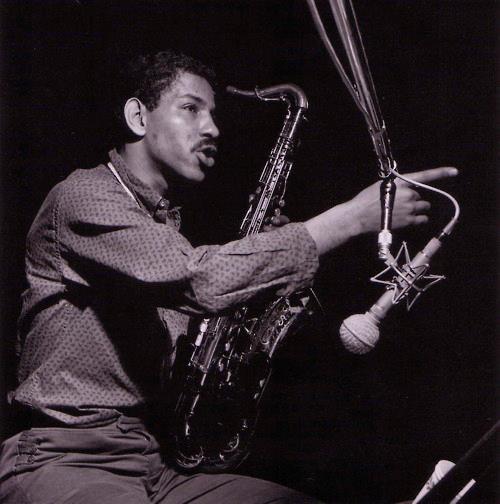
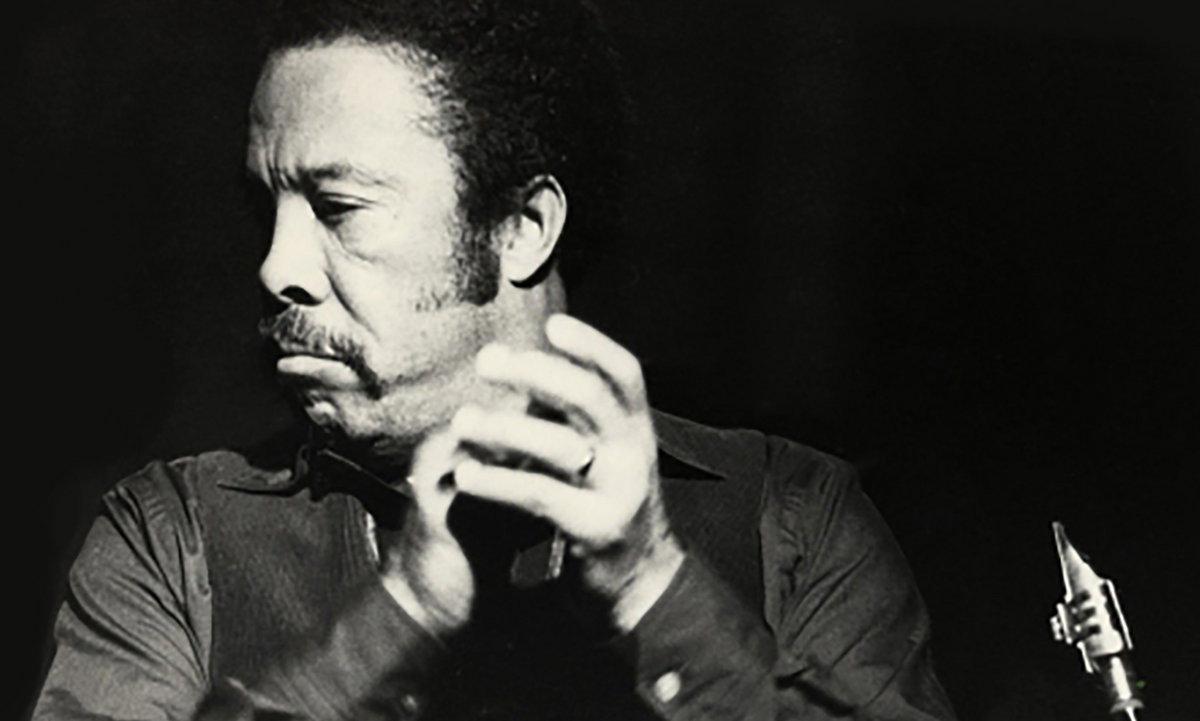
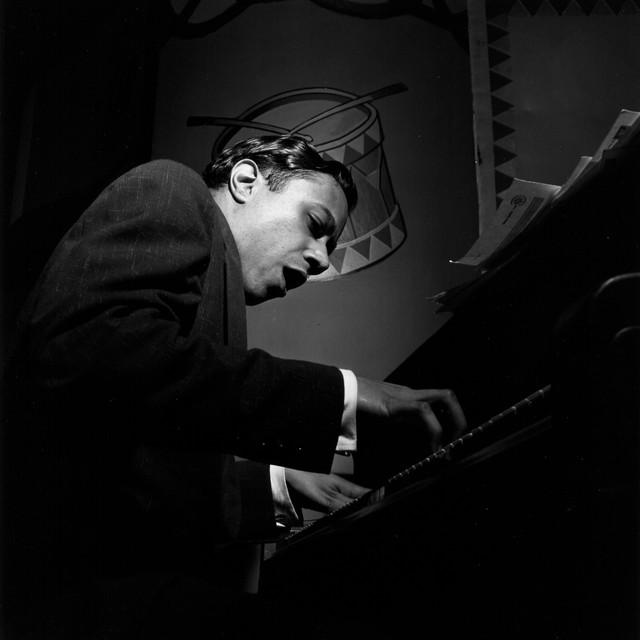
Larry Young’s Spotify BioLarry Young, also known as Khalid Yasin, offered as radical an approach to organ in the '60s as Jimmy Smith had posed in the '50s. His free, swirling chords, surging lines, and rock-influenced improvisations were an alternative to the groove-centered, blues and soul jazz sound that had become the organ's dominant direction. He brought John Coltrane's late-'60s approach to the organ, generating waves of sound and greatly influencing any session he participated in during the '60s and '70s.
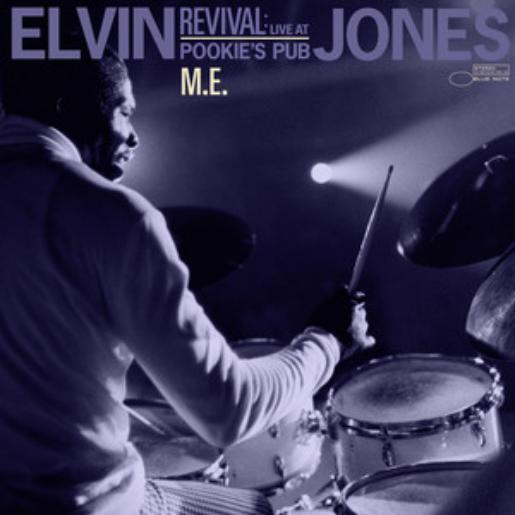
Born in Newark, New Jersey in 1940, Young studied piano rather than organ, though he later began playing organ in R&B bands in the '50s. He recorded in 1960 with Jimmy Forrest, and then did his first session for Blue Note as a leader. He played with and recorded with Grant Green in a hard bop vein in the mid-'60s, though he was beginning his experiments at that point. Young worked with Joe Henderson, Lee Morgan, Donald Byrd, and Tommy Turrentine and toured Europe in 1964. When Young went to Blue Note… later that year, he was well on his way to becoming a major innovator. Coltrane's post-bop influence asserted itself more and more in Young's playing and composing, and his work grew much more cerebral and exploratory. His 1965 album Into Somethin' alerted everyone that he was heading a different way, and Unity, recorded the same year, remains his best-known album. He played with Coltrane, recorded with Woody Shaw and Elvin Jones, then joined Miles Davis' band in 1969. Young worked with John McLaughlin in 1970 and was in Tony Williams' Lifetime with McLaughlin and Jack Bruce among others in the early '70s. He only made a couple of other records, for Perception and Arista, both of them uneven but with some intriguing moments. (Neither label had the vaguest idea what Young was trying to do, nor how they could sell it.) Sadly, he died in 1978 at 38. He'd only made a handful of recordings, and his labels never knew what to make of his music. Mosaic issued a superb boxed set of Young's Blue Note recordings, The Complete Blue Note Recordings of Larry Young. A very early session, Testifying, on New Jazz, was reissued by Fantasy in a limited edition in 1992. Blue Note has also released an anthology package, The Art of Larry Young, available as well. ~ Ron Wynn, Rovi
Viberate is a music analytics platform built for A&Rs, artist managers, labels, booking agents, marketers, and artists.
It helps music professionals track artist growth, analyze audience data, monitor playlist activity, compare artists, follow song performance, and identify opportunities across the music market.
Public artist pages provide a free preview of selected artist data. Paid plans provide access to deeper analytics, historical data, charts, comparisons, playlist tools, exports, alerts, reports, and additional professional features.
Yes. Public Viberate artist pages provide selected artist analytics and music data for free.
Viberate also offers a 7-day free trial of the full platform. A credit card is required to start the trial. The trial includes access to the complete product so users can test deeper artist analytics, historical views, playlist insights, comparisons, charts, exports, alerts, and reporting features before choosing a paid plan.
Viberate provides artist analytics across streaming, playlists, social media, video, radio airplay, songs, and audience markets.
Users can analyze Spotify performance, Spotify and Apple Music playlists, YouTube activity, TikTok and Instagram growth, radio spins, song performance, audience locations, demographics, rankings, and overall artist momentum.
Artist profiles also connect to music charts, similar artists, and comparison tools, helping users benchmark performance and evaluate artists in context.
Viberate updates key artist and track data daily.
For followed artists and tracks, selected data is refreshed multiple times per day. This helps teams monitor playlist changes, streaming movement, audience growth, releases, and campaign performance with more current data.
Update frequency can vary depending on the metric and data source.
Yes. Viberate lets users compare up to five artists side by side across streaming, social media, audience, and engagement metrics.
Users can compare fanbase growth, audience demographics, locations, Spotify performance, social metrics, and other artist data over selected time periods.
Artist comparison can be used for A&R scouting, benchmarking, booking decisions, campaign planning, and evaluating artists with similar audiences or market positions.