L'arpa Festante

Classical
Chamber Music
 Viberate Rank: 423585
 Viberate Rank: 423585
 Monthly ListenersFollowers
 Subscribers
 Followers
 Followers
 FansTop Spotify Songs
| Track | 7-Day Streams | |
|---|---|---|
1 | 476 | |
2 | 226 | |
3 | 212 | |
4 | 202 | |
5 | 170 |
Top YouTube VideosMonthly ListenersFeatured in Playlists| Playlist | Followers | |
|---|---|---|
1 |  Klassik zum Entspannen Filtr Germany | 42.05K |
2 | Baroque For Thinking & Study redzeno52 | 41.80K |
3 | 60bpm Baroque Study Tan | 4.99K |
4 |  Best classical music Anni | 2.28K |
5 | Música sacra barroca Apocatástasis | 1.90K |
Audience| City | Monthly Listeners | |
|---|---|---|
1 | | 191 |
2 | | 98 |
3 | | 89 |
4 | | 89 |
5 |  | 81 |
See full performance history, audience data, playlist activity, rankings, comparisons, and more in Viberate music analytics. Start with a free trial, then continue with a paid plan.
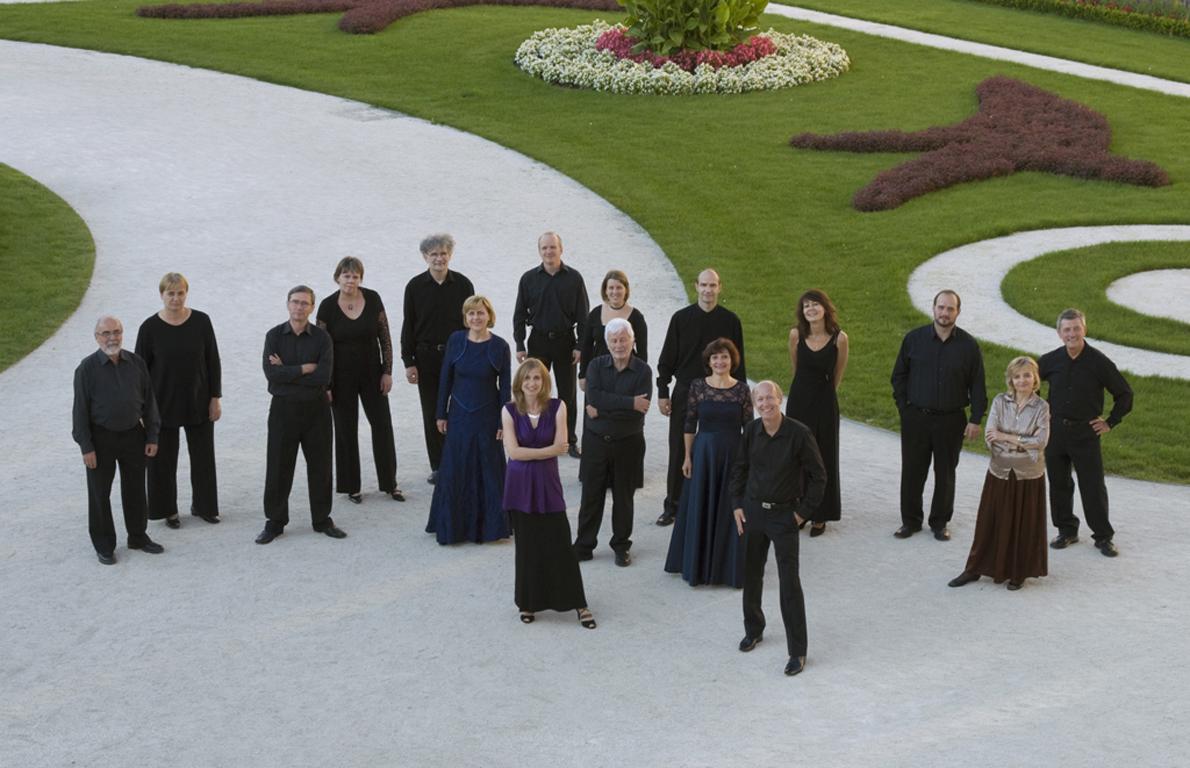
L'arpa Festante’s Spotify BioPeriod-instrument ensemble L'Arpa Festante gives new life to neglected instrumental and choral works from the Baroque to the Romantic eras. The group has recorded for various German labels.
L'Arpa Festante is a durable survivor among German historical instrument groups, having been founded in 1983 by violinist Michi Gaigg. She remained its director and concertmaster until 1995. The group was sometimes known as the Barockorchester L'Arpa Festante ("Baroque Orchestra L'Arpa Festante") or even BOLAF, but since its repertory expanded forward into the Classical and Romantic eras, this has been used less often. The name L'Arpa Festante comes from that of a cantata by Giovanni Battista Maccioni and means The Festive Harp; that work had its premiere in 1653 as part of the inauguration ceremonies for what would eventually become the Bavarian State Opera. In its earlier years, the group focused on lesser-known works of the German Baroque, especially those by members of the Bach family. L'Arpa… Festante made its recording debut in 1991 on the Amati label with the album Lully in Deutschland. In 1995, the group joined the Marburger Bachchor on the Genuin label for an album of works by Jan Dismas Zelenka; since then, it has partnered with a variety of regional German choirs in choral music.
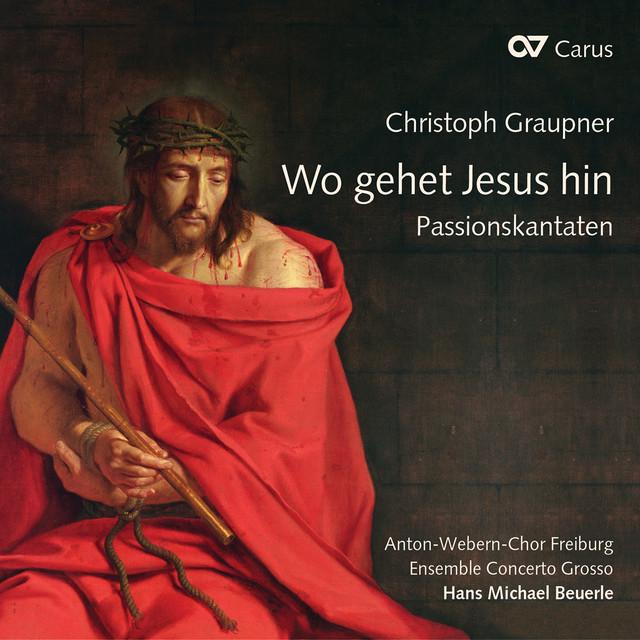
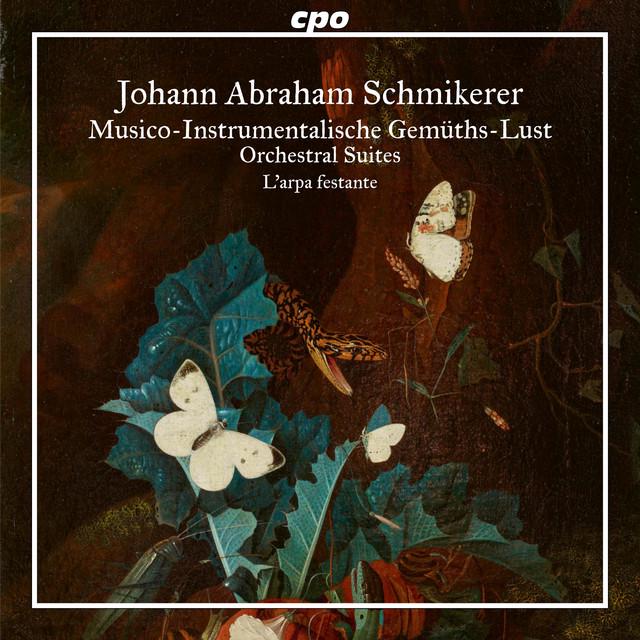
L'Arpa Festante has emphasized recording over live performance; it has no website, although it is featured on that of the Bach Kantaten Verein and sometimes performs with that group. After Gaigg's departure, L'Arpa Festante has been led by a variety of conductors, including Fritz Näf and, since 2008, Rien Voskuilen; the present concertmaster is Christoph Hesse. The group has about 20 members but can expand to 40 or more for larger works of the Romantic era. L'Arpa Festante's recording catalog has appeared on labels such as CPO, Carus, Harmonia Mundi, and others. In 2023, the group joined the Arcis-Vocalisten Munich choir for a recording of the oratorio Jan Hus on Oehms Classics. ~ James Manheim, Rovi
Viberate is a music analytics platform built for A&Rs, artist managers, labels, booking agents, marketers, and artists.
It helps music professionals track artist growth, analyze audience data, monitor playlist activity, compare artists, follow song performance, and identify opportunities across the music market.
Public artist pages provide a free preview of selected artist data. Paid plans provide access to deeper analytics, historical data, charts, comparisons, playlist tools, exports, alerts, reports, and additional professional features.
Yes. Public Viberate artist pages provide selected artist analytics and music data for free.
Viberate also offers a 7-day free trial of the full platform. A credit card is required to start the trial. The trial includes access to the complete product so users can test deeper artist analytics, historical views, playlist insights, comparisons, charts, exports, alerts, and reporting features before choosing a paid plan.
Viberate provides artist analytics across streaming, playlists, social media, video, radio airplay, songs, and audience markets.
Users can analyze Spotify performance, Spotify and Apple Music playlists, YouTube activity, TikTok and Instagram growth, radio spins, song performance, audience locations, demographics, rankings, and overall artist momentum.
Artist profiles also connect to music charts, similar artists, and comparison tools, helping users benchmark performance and evaluate artists in context.
Viberate updates key artist and track data daily.
For followed artists and tracks, selected data is refreshed multiple times per day. This helps teams monitor playlist changes, streaming movement, audience growth, releases, and campaign performance with more current data.
Update frequency can vary depending on the metric and data source.
Yes. Viberate lets users compare up to five artists side by side across streaming, social media, audience, and engagement metrics.
Users can compare fanbase growth, audience demographics, locations, Spotify performance, social metrics, and other artist data over selected time periods.
Artist comparison can be used for A&R scouting, benchmarking, booking decisions, campaign planning, and evaluating artists with similar audiences or market positions.