Lares

Metal
Doom/Sludge Metal
 Viberate Rank: 614733
 Viberate Rank: 614733
 Monthly ListenersFollowers
 Subscribers
 Followers
 Followers
 FansTop Spotify Songs
| Track | 7-Day Streams | |
|---|---|---|
1 | 6 | |
2 | 3 | |
3 | 3 | |
4 | 3 | |
5 | 3 |
Top YouTube Videos| Video | 7-Day Views | |
|---|---|---|
1 | 2 |
Monthly ListenersFeatured in Playlists| Playlist | Followers | |
|---|---|---|
1 | Doom/Stoner/Sludge Metal Amy Eddins | 2.92K |
2 | Stoner Metal/Rock/Sludge/Psychedelic Soul | 2.77K |
3 |  Atmospheric Sludge & Post-Metal ArneV | 1.95K |
4 |  The Sound of Post-Black Metal The Sounds of Spotify | 1.65K |
5 |  Doom | Sludge | Black Metal | Post-Metal | Stoner | Death Metal gaya.kessler | 1.26K |
Audience| City | Monthly Listeners | |
|---|---|---|
1 | | 6 |
2 | | 4 |
3 | | 3 |
See full performance history, audience data, playlist activity, rankings, comparisons, and more in Viberate music analytics. Start with a free trial, then continue with a paid plan.
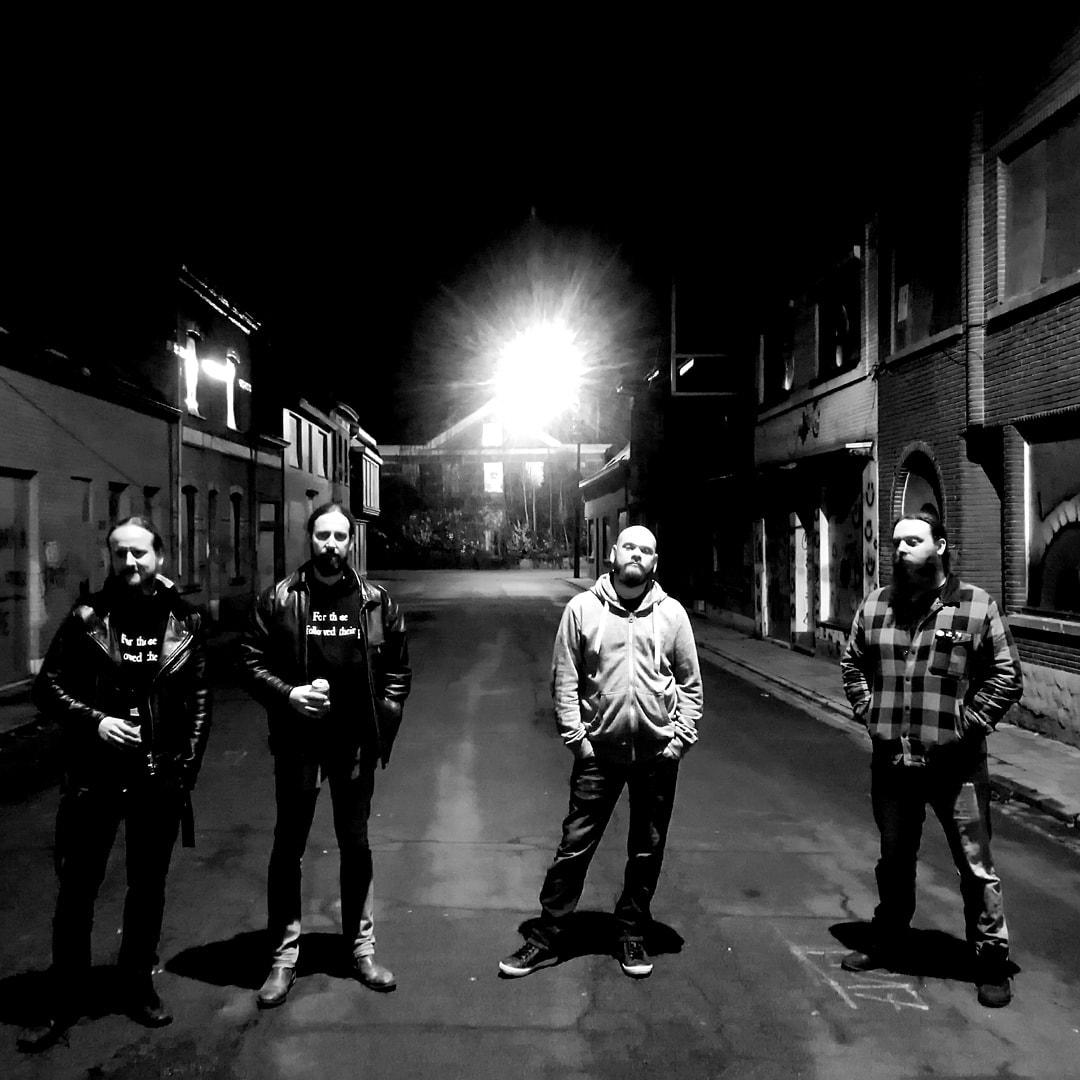
Lares’ Spotify BioFounded in Berlin in 2015, the international quartet has released two albums: "Mask of Discomfort" in 2017, which was self-released, and "Towards Nothingness" in 2020 through Argonauta Records. These albums have been critically acclaimed by major platforms such as Cult Nation, Deaf Forever, Rock Hard, and Metal Hammer.
The name Lares originates from an archaic Roman Etruscan word meaning "heroes" and "demons." It refers to a faceless god, an entity that could be molded into any desired shape, believed to observe, protect, and influence fate.
Since their inception, the band has explored different music genres, creating a unique and continuously evolving sound that mixes elements of Doom, Black, and Sludge metal, strongly influenced by 60s and 70s psychedelia and 90s grunge/noise.
Over the last two years, they have worked on a sound performance captured in a live recording session at their studio, which has become their third concept album, “Et In Arcadia Ego.” This album marks their… renewed collaboration with Argonauta Records and a new sonic chapter for the band.
Viberate is a music analytics platform built for A&Rs, artist managers, labels, booking agents, marketers, and artists.
It helps music professionals track artist growth, analyze audience data, monitor playlist activity, compare artists, follow song performance, and identify opportunities across the music market.
Public artist pages provide a free preview of selected artist data. Paid plans provide access to deeper analytics, historical data, charts, comparisons, playlist tools, exports, alerts, reports, and additional professional features.
Yes. Public Viberate artist pages provide selected artist analytics and music data for free.
Viberate also offers a 7-day free trial of the full platform. A credit card is required to start the trial. The trial includes access to the complete product so users can test deeper artist analytics, historical views, playlist insights, comparisons, charts, exports, alerts, and reporting features before choosing a paid plan.
Viberate provides artist analytics across streaming, playlists, social media, video, radio airplay, songs, and audience markets.
Users can analyze Spotify performance, Spotify and Apple Music playlists, YouTube activity, TikTok and Instagram growth, radio spins, song performance, audience locations, demographics, rankings, and overall artist momentum.
Artist profiles also connect to music charts, similar artists, and comparison tools, helping users benchmark performance and evaluate artists in context.
Viberate updates key artist and track data daily.
For followed artists and tracks, selected data is refreshed multiple times per day. This helps teams monitor playlist changes, streaming movement, audience growth, releases, and campaign performance with more current data.
Update frequency can vary depending on the metric and data source.
Yes. Viberate lets users compare up to five artists side by side across streaming, social media, audience, and engagement metrics.
Users can compare fanbase growth, audience demographics, locations, Spotify performance, social metrics, and other artist data over selected time periods.
Artist comparison can be used for A&R scouting, benchmarking, booking decisions, campaign planning, and evaluating artists with similar audiences or market positions.