Lanu

Electronic
Other Electronic Music
Indie Pop
Jazz Fusion
 Viberate Rank: 249463
 Viberate Rank: 249463
 Monthly ListenersFollowers
 Subscribers
 Followers
 Followers
 FansTop Spotify Songs
| Track | 7-Day Streams | |
|---|---|---|
1 | 7.08K | |
2 | 1.43K | |
3 | 195 | |
4 | 190 | |
5 | 148 |
Top YouTube Videos| Video | 7-Day Views | |
|---|---|---|
1 | 2 |
Monthly ListenersFeatured in Playlists| Playlist | Followers | |
|---|---|---|
1 |  Hôtel Costes - Best 50 [Official Playlist] Sounds of Costes | 185.97K |
2 |  Solomun Momentum Solomun | 58.97K |
3 | Erik van der Bijl | 29.91K |
4 | -•STARBUCKS•- coffee playlist 1131564493 | 26.49K |
5 | girlbossnetflix | 21.63K |
Audience| City | Monthly Listeners | |
|---|---|---|
1 | | 464 |
2 | | 436 |
3 |  | 368 |
4 |  | 289 |
5 | | 244 |
See full performance history, audience data, playlist activity, rankings, comparisons, and more in Viberate music analytics. Start with a free trial, then continue with a paid plan.
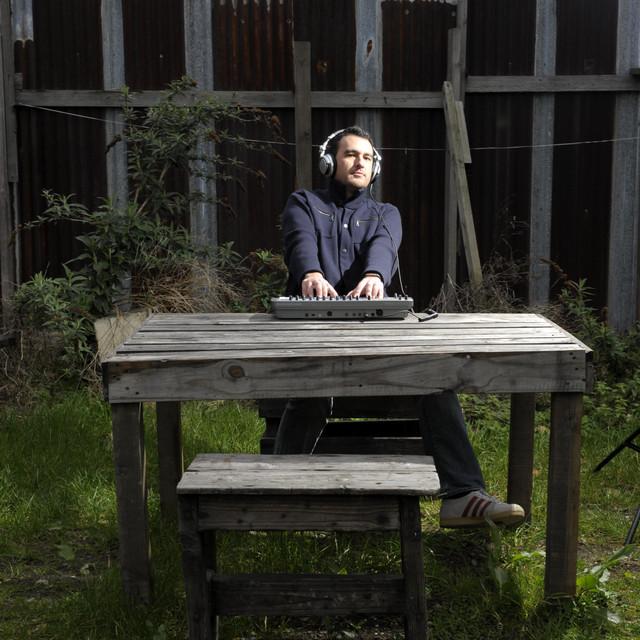
Lanu’s Spotify BioLanu is the experimental side project of the Bamboos' guitarist and leader, Lance Ferguson, one of the most prolific and well-respected musicians on the Australian funk and soul scene. Born in New Zealand, Ferguson grew up in a musical family, with his Hawaiian guitarist grandfather, Bill Wolfgramm, responsible for the country's first ever LP in 1956. In 2000, he formed Melbourne funk revivalists the Bamboos, who released four albums during the noughties, Step It Up, Rawville, Side-Stepper, and 4, and the soundtrack to the Nintendo Wii game De Blob. Throughout this period, he also produced material for Aloe Blacc, Ohmega Watts, and bandmate Kylie Auldist's two solo releases; co-founded Melbourne's soulful club-based Local People and Equatorial labels; and performed as a session guitarist for Joe Bataan, Eddie Floyd, and Alice Russell. In 2007, armed with a new sound encompassing dream pop, folk, lounge, electro, and indie, he released his debut solo LP, This Is My Home, under the guise… of Lanu, a childhood nickname that is the Tongan word for color, and followed it up four years later with the critically acclaimed Her 12 Faces. ~ Jon O'Brien, Rovi
Viberate is a music analytics platform built for A&Rs, artist managers, labels, booking agents, marketers, and artists.
It helps music professionals track artist growth, analyze audience data, monitor playlist activity, compare artists, follow song performance, and identify opportunities across the music market.
Public artist pages provide a free preview of selected artist data. Paid plans provide access to deeper analytics, historical data, charts, comparisons, playlist tools, exports, alerts, reports, and additional professional features.
Yes. Public Viberate artist pages provide selected artist analytics and music data for free.
Viberate also offers a 7-day free trial of the full platform. A credit card is required to start the trial. The trial includes access to the complete product so users can test deeper artist analytics, historical views, playlist insights, comparisons, charts, exports, alerts, and reporting features before choosing a paid plan.
Viberate provides artist analytics across streaming, playlists, social media, video, radio airplay, songs, and audience markets.
Users can analyze Spotify performance, Spotify and Apple Music playlists, YouTube activity, TikTok and Instagram growth, radio spins, song performance, audience locations, demographics, rankings, and overall artist momentum.
Artist profiles also connect to music charts, similar artists, and comparison tools, helping users benchmark performance and evaluate artists in context.
Viberate updates key artist and track data daily.
For followed artists and tracks, selected data is refreshed multiple times per day. This helps teams monitor playlist changes, streaming movement, audience growth, releases, and campaign performance with more current data.
Update frequency can vary depending on the metric and data source.
Yes. Viberate lets users compare up to five artists side by side across streaming, social media, audience, and engagement metrics.
Users can compare fanbase growth, audience demographics, locations, Spotify performance, social metrics, and other artist data over selected time periods.
Artist comparison can be used for A&R scouting, benchmarking, booking decisions, campaign planning, and evaluating artists with similar audiences or market positions.