Lake Mosaic

Punk
Pop Punk
Hardcore Punk
Alternative Rock
 Viberate Rank: 588081
 Viberate Rank: 588081
 Monthly ListenersFollowers
 Subscribers
 Followers
 Followers
 FansTop Spotify Songs
| Track | 7-Day Streams | |
|---|---|---|
1 | 51 | |
2 | 37 | |
3 | 11 | |
4 | 6 | |
5 | 6 |
Top YouTube Videos| Video | 7-Day Views | |
|---|---|---|
1 | 8 | |
2 | 7 | |
3 | 5 | |
4 | 3 | |
5 | 2 |
Monthly ListenersFeatured in Playlists| Playlist | Followers | |
|---|---|---|
1 |  All New Pop Punk 2026 (PUNKERS HUB) PUNKLOID | 4.74K |
2 |  NEW POP PUNK RELEASES PPAPR | 2.99K |
3 |  NEW EMO & SCREAMO // I'm (still) Not Okay CatchyTwentyTwo | 2.27K |
4 |  All New Punk Rock 2026 (PUNKERS HUB) PUNKLOID | 2.23K |
5 |  New Scene, Who Dis? Doug Heiser | 1.91K |
Audience| City | Monthly Listeners | |
|---|---|---|
1 | | 11 |
2 |  | 7 |
3 | | 6 |
4 |  | 5 |
5 | | 5 |
See full performance history, audience data, playlist activity, rankings, comparisons, and more in Viberate music analytics. Start with a free trial, then continue with a paid plan.
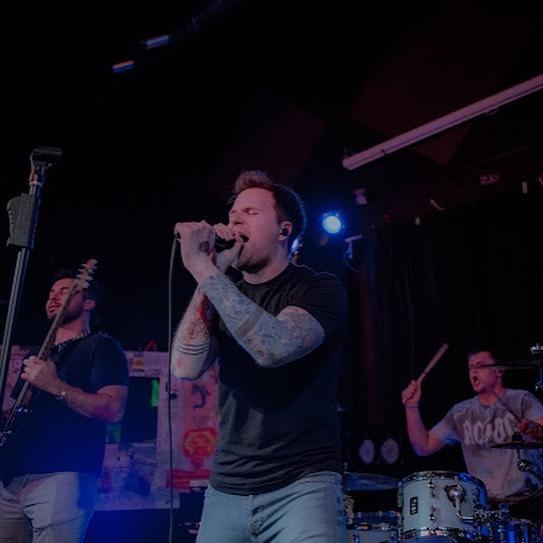
Lake Mosaic’s Spotify BioLake Mosaic emerged out of the Great Lakes region during the tumultuous early days of the pandemic. A breath of fresh air in an increasingly generic musical landscape, Lake Mosaic have become well-known for their emotion-filled, genre-transcending blend of pop-punk, easycore, and Midwest emo.
Originally the brainchild of lead guitarist Adam Whitener, Lake Mosaic’s lineup has evolved significantly over time. One thing has remained constant though — through every iteration, it has always been composed of an eclectic group of musicians from diverse backgrounds. Currently, the lineup features Adam’s longtime friend Ben Merte on bass, vocalist Matt Eble, rhythm guitarist Naveed Ajam, and drummer Drake Davis.
Since their early days of remote collaboration to their first shows in 2021, Lake Mosaic have continued to refine their signature sound. The band's influences range from 2010s metalcore and pop-punk to 2000s emo music, with nods to everything from Four Year Strong to Thrice. Lake Mosaic… has created an edgy, energetic and ear-friendly brand of pop-punk with an emphasis on creative songwriting.
Lake Mosaic’s debut record, Perseverance, was released in 2022, with lyrics evoking the process of overcoming life’s endless struggles, pressing onward and healing after emotional trauma, and learning from your pain. It’s suitably introspective yet a perfect fit for the bouncy energy of their brand of pop-punk.
Viberate is a music analytics platform built for A&Rs, artist managers, labels, booking agents, marketers, and artists.
It helps music professionals track artist growth, analyze audience data, monitor playlist activity, compare artists, follow song performance, and identify opportunities across the music market.
Public artist pages provide a free preview of selected artist data. Paid plans provide access to deeper analytics, historical data, charts, comparisons, playlist tools, exports, alerts, reports, and additional professional features.
Yes. Public Viberate artist pages provide selected artist analytics and music data for free.
Viberate also offers a 7-day free trial of the full platform. A credit card is required to start the trial. The trial includes access to the complete product so users can test deeper artist analytics, historical views, playlist insights, comparisons, charts, exports, alerts, and reporting features before choosing a paid plan.
Viberate provides artist analytics across streaming, playlists, social media, video, radio airplay, songs, and audience markets.
Users can analyze Spotify performance, Spotify and Apple Music playlists, YouTube activity, TikTok and Instagram growth, radio spins, song performance, audience locations, demographics, rankings, and overall artist momentum.
Artist profiles also connect to music charts, similar artists, and comparison tools, helping users benchmark performance and evaluate artists in context.
Viberate updates key artist and track data daily.
For followed artists and tracks, selected data is refreshed multiple times per day. This helps teams monitor playlist changes, streaming movement, audience growth, releases, and campaign performance with more current data.
Update frequency can vary depending on the metric and data source.
Yes. Viberate lets users compare up to five artists side by side across streaming, social media, audience, and engagement metrics.
Users can compare fanbase growth, audience demographics, locations, Spotify performance, social metrics, and other artist data over selected time periods.
Artist comparison can be used for A&R scouting, benchmarking, booking decisions, campaign planning, and evaluating artists with similar audiences or market positions.