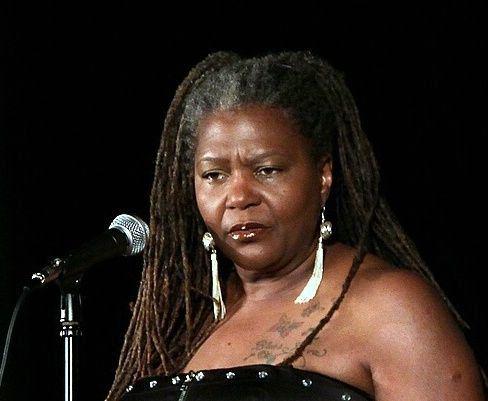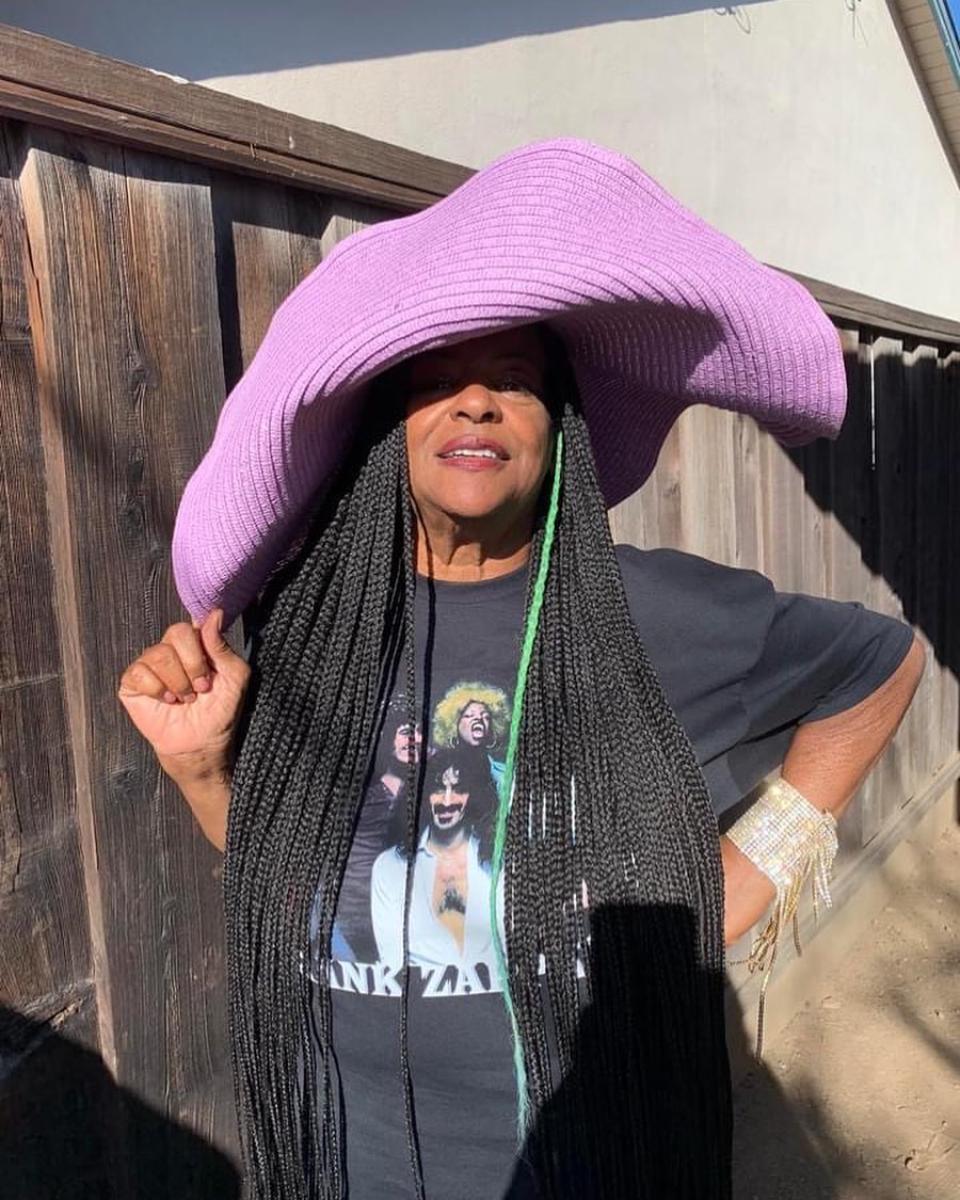
Lady Bianca

R&B
Soul
Contemporary Blues
 Viberate Rank: 573247
 Viberate Rank: 573247
 Monthly ListenersFollowers
 Subscribers
 Followers
 Followers
 FansTop Spotify Songs
| Track | 7-Day Streams | |
|---|---|---|
1 | 24 | |
2 | 8 | |
3 | 8 | |
4 | 6 | |
5 | 4 |
Top YouTube VideosMonthly ListenersFeatured in Playlists| Playlist | Followers | |
|---|---|---|
1 |  Party Hits 2026🎉💥 Top New Music Hits | 39.81K |
2 |  The Best Female Blues & Jazz Vocals | Don's Tunes Don's Tunes | 14.93K |
3 |  Funky, Jazzy, Soul Grooves ☀️ by Don's Tunes Don's Tunes | 12.38K |
4 |  Midnight Blues Helmut Neubauer | 3.81K |
5 | Blues Slow Blues (621 songs) hzandvoo | 1.61K |
Audience| City | Monthly Listeners | |
|---|---|---|
1 | | 5 |
See full performance history, audience data, playlist activity, rankings, comparisons, and more in Viberate music analytics. Start with a free trial, then continue with a paid plan.
Lady Bianca’s Spotify BioWhile primarily a blues vocalist, Lady Bianca first earned notice as a session singer on a wide range of projects including recordings from Van Morrison, Frank Zappa and Merle Haggard. Born Bianca Thornton in Kansas City, Missouri on August 8, 1953, she was influenced by gospel as a child and studied at the San Francisco Conservatory of Music before lending her contralto to the role of Billie Holiday in an acclaimed production of Jon Hendrick's Evolution of the Blues; in the early '80s, she appeared on Morrison LPs including Beautiful Vision and Inarticulate Speech of the Heart, and also backed blues legends like John Lee Hooker and Willie Dixon. In the late '80s, Lady Bianca teamed with songwriter Stanley Lippitt, an alliance which yielded a number of tracks that grabbed the attention of Joe Louis Walker and in turn resulted in a record deal; she made her solo debut in 1995 with Best Kept Secret. Her long-awaited follow up appeared six years later on Rooster Blues. ~ Jason Ankeny,… Rovi
Viberate is a music analytics platform built for A&Rs, artist managers, labels, booking agents, marketers, and artists.
It helps music professionals track artist growth, analyze audience data, monitor playlist activity, compare artists, follow song performance, and identify opportunities across the music market.
Public artist pages provide a free preview of selected artist data. Paid plans provide access to deeper analytics, historical data, charts, comparisons, playlist tools, exports, alerts, reports, and additional professional features.
Yes. Public Viberate artist pages provide selected artist analytics and music data for free.
Viberate also offers a 7-day free trial of the full platform. A credit card is required to start the trial. The trial includes access to the complete product so users can test deeper artist analytics, historical views, playlist insights, comparisons, charts, exports, alerts, and reporting features before choosing a paid plan.
Viberate provides artist analytics across streaming, playlists, social media, video, radio airplay, songs, and audience markets.
Users can analyze Spotify performance, Spotify and Apple Music playlists, YouTube activity, TikTok and Instagram growth, radio spins, song performance, audience locations, demographics, rankings, and overall artist momentum.
Artist profiles also connect to music charts, similar artists, and comparison tools, helping users benchmark performance and evaluate artists in context.
Viberate updates key artist and track data daily.
For followed artists and tracks, selected data is refreshed multiple times per day. This helps teams monitor playlist changes, streaming movement, audience growth, releases, and campaign performance with more current data.
Update frequency can vary depending on the metric and data source.
Yes. Viberate lets users compare up to five artists side by side across streaming, social media, audience, and engagement metrics.
Users can compare fanbase growth, audience demographics, locations, Spotify performance, social metrics, and other artist data over selected time periods.
Artist comparison can be used for A&R scouting, benchmarking, booking decisions, campaign planning, and evaluating artists with similar audiences or market positions.