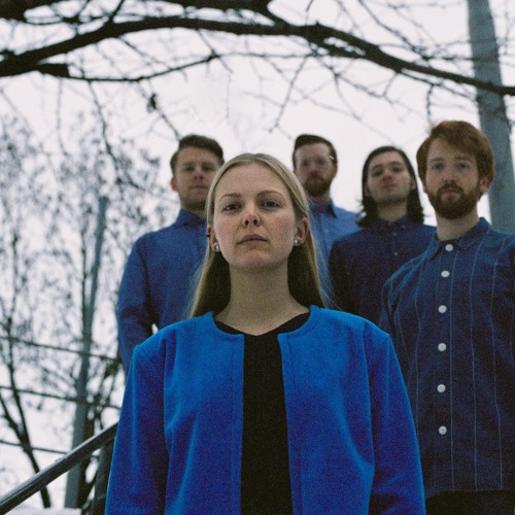
Lack The Low

Pop
Indie Pop
Progressive Rock
 Viberate Rank: 685525
 Viberate Rank: 685525
 Monthly ListenersFollowers
 Subscribers
 Followers
 Followers
 FansTop Spotify Songs
| Track | 7-Day Streams | |
|---|---|---|
1 | 5 | |
2 | 2 | |
3 | 2 | |
4 | 2 | |
5 | 2 |
Top YouTube VideosMonthly ListenersFeatured in PlaylistsAudience| City | Monthly Listeners | |
|---|---|---|
1 | | 3 |
2 | | 3 |
See full performance history, audience data, playlist activity, rankings, comparisons, and more in Viberate music analytics. Start with a free trial, then continue with a paid plan.
Lack The Low’s Spotify BioLack The Low is the project of Melbourne-based multi-instrumentalist and composer Kat Hunter.
Never taking any one route for granted, Hunter re-examines compositional boundaries by paving a thoroughfare between pop immediacy and the dark and often impenetrable avant-garde. The resulting soundscape is one where hooks coexist with odd time signatures and complex chord progressions. It is a challenging mix of pop, math rock, post-classical, and noise, delivered with unfettered honesty.
A defining feature of Lack The Low’s sound is the digital sculpting of raw audio, often to its extreme. Field recordings of magpies and frogs are distorted beyond recognition, saxophones are corroded to guttural roars, and strings are twisted to piercing screeches. Hunter takes an uncompromising approach to achieving her vision, staying at the helm of the writing, sound design and recording processes, and performing most of the instruments herself.
The resulting work of Lack The Low shifts across the emotional… sphere without warning. A once tranquil soundscape abruptly turns hair-raising and distressing, and vice versa. The fluidity of the sound is like every feeling you’ve ever known occurring at once. It rains; it shines; it is stinging hot; it’s icy to the touch. The wavering sensations that Hunter stirs up with her sound give a cool reminder that even the most polarising of our emotions are still only an arms-length apart.
Viberate is a music analytics platform built for A&Rs, artist managers, labels, booking agents, marketers, and artists.
It helps music professionals track artist growth, analyze audience data, monitor playlist activity, compare artists, follow song performance, and identify opportunities across the music market.
Public artist pages provide a free preview of selected artist data. Paid plans provide access to deeper analytics, historical data, charts, comparisons, playlist tools, exports, alerts, reports, and additional professional features.
Yes. Public Viberate artist pages provide selected artist analytics and music data for free.
Viberate also offers a 7-day free trial of the full platform. A credit card is required to start the trial. The trial includes access to the complete product so users can test deeper artist analytics, historical views, playlist insights, comparisons, charts, exports, alerts, and reporting features before choosing a paid plan.
Viberate provides artist analytics across streaming, playlists, social media, video, radio airplay, songs, and audience markets.
Users can analyze Spotify performance, Spotify and Apple Music playlists, YouTube activity, TikTok and Instagram growth, radio spins, song performance, audience locations, demographics, rankings, and overall artist momentum.
Artist profiles also connect to music charts, similar artists, and comparison tools, helping users benchmark performance and evaluate artists in context.
Viberate updates key artist and track data daily.
For followed artists and tracks, selected data is refreshed multiple times per day. This helps teams monitor playlist changes, streaming movement, audience growth, releases, and campaign performance with more current data.
Update frequency can vary depending on the metric and data source.
Yes. Viberate lets users compare up to five artists side by side across streaming, social media, audience, and engagement metrics.
Users can compare fanbase growth, audience demographics, locations, Spotify performance, social metrics, and other artist data over selected time periods.
Artist comparison can be used for A&R scouting, benchmarking, booking decisions, campaign planning, and evaluating artists with similar audiences or market positions.