La Pulposa

Rock
Pop Rock
Folk Rock
 Viberate Rank: 179453
 Viberate Rank: 179453
 Monthly ListenersFollowers
 Subscribers
 Followers
 Followers
 FansTop Spotify Songs
| Track | 7-Day Streams | |
|---|---|---|
1 | 494 | |
2 | 461 | |
3 | 226 | |
4 | 218 | |
5 | 202 |
Top YouTube VideosMonthly ListenersFeatured in Playlists| Playlist | Followers | |
|---|---|---|
1 |  Rocanrol Crocante Escribí al Instagram @coliyarock | 9.60K |
2 |  ALMA DE ROLINGA 👅 Instagram: @gandharva123 | 4.69K |
3 |  Rock Nacional Compilado Argentino! Diego | 2.18K |
4 |  Rock Rollinga Mariano Darío Memmo Carmona | 1.29K |
5 |  Rock Uruguayo y Argentino - Que sea rock 🤘 Dennis Morales | 1.24K |
Audience| City | Monthly Listeners | |
|---|---|---|
1 | | 742 |
2 | | 75 |
3 | | 69 |
4 |  | 63 |
5 | | 61 |
See full performance history, audience data, playlist activity, rankings, comparisons, and more in Viberate music analytics. Start with a free trial, then continue with a paid plan.
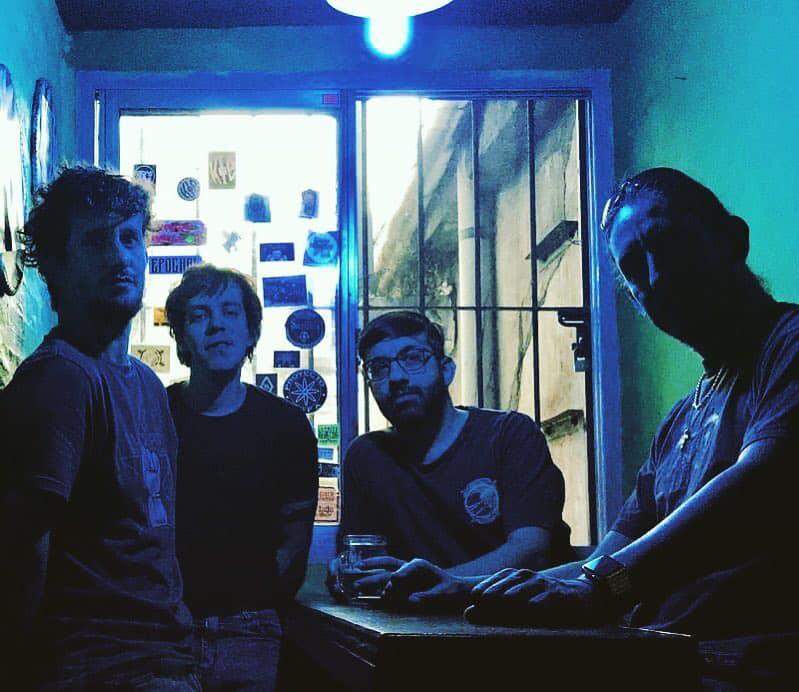
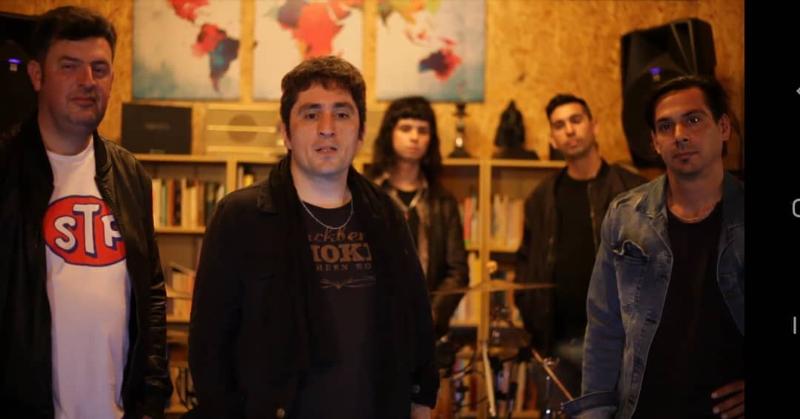
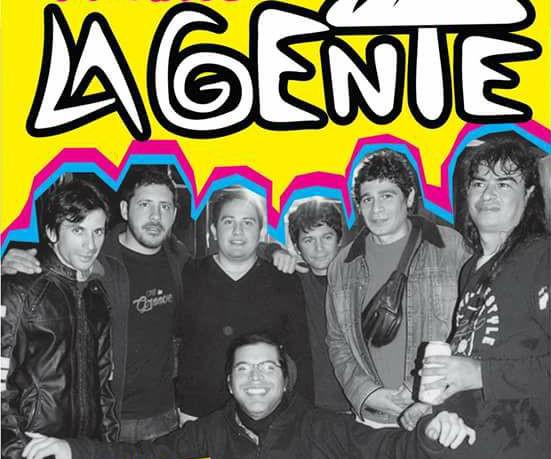
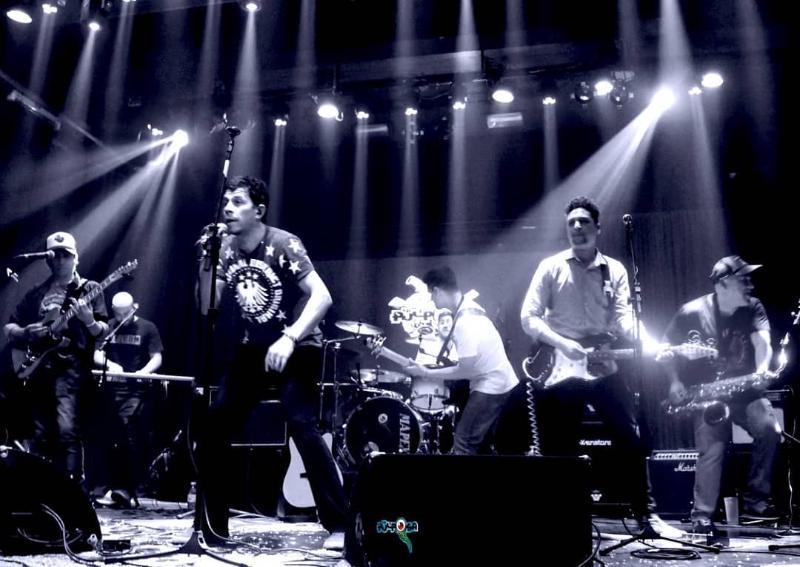
La Pulposa’s Spotify BioLa Pulposa se origina en Quilmes en 1997. En el año 2000 lanzan su primer disco homónimo (“La Pulposa”) de producción independiente. De la mano de este disco, la banda comienza a afianzarse en la escena local llegando a agotar la primera tirada de discos en muy poco tiempo. En 2003 se reedita con nuevo contenido gráfico y rediseño bajo el nombre “Sudando Rock and Roll”.
A este le seguiría su segundo disco llamado “Quemando Horas” (2006) presentado en el mítico Cemento, lugar al que la banda volvió con varias presentaciones y cuenta con la participación de Facundo Soto (Guasones) en las canciones “¿Porqué Sera?” y “Boca Cerrada”,
En 2011 sale a la luz “Solo Una Cuestión de Piel”, en el cual se destaca la participación de Cristian “Toti” Iglesias (Jóvenes Pordioseros) aportando su voz en el primer corte del álbum llamado “Cuatro Pasiones” y en una particular versión acústica del tango "Por Una Cabeza".
En la actualidad, La Pulposa lanza su cuarto material llamado “Fábrica de Canciones”. Un… disco cuyo nombre y arte de tapa fue elegido por los seguidores de la banda a través de sus redes sociales. Este disco mostró una madurez musical desde su sonido y lo compositivo.
“Fábrica de Canciones” está compuesto por 10 temas bajo el género rock-canción y 2 bonus-track acústicos entre los que se destaca el tango “Como dos extraños” de Contursi.
Este disco tuvo buena recepción en las principales radios de rock de la mano de sus cortes “Esta es mi Cruz” y “Pasa que la Noche”
Viberate is a music analytics platform built for A&Rs, artist managers, labels, booking agents, marketers, and artists.
It helps music professionals track artist growth, analyze audience data, monitor playlist activity, compare artists, follow song performance, and identify opportunities across the music market.
Public artist pages provide a free preview of selected artist data. Paid plans provide access to deeper analytics, historical data, charts, comparisons, playlist tools, exports, alerts, reports, and additional professional features.
Yes. Public Viberate artist pages provide selected artist analytics and music data for free.
Viberate also offers a 7-day free trial of the full platform. A credit card is required to start the trial. The trial includes access to the complete product so users can test deeper artist analytics, historical views, playlist insights, comparisons, charts, exports, alerts, and reporting features before choosing a paid plan.
Viberate provides artist analytics across streaming, playlists, social media, video, radio airplay, songs, and audience markets.
Users can analyze Spotify performance, Spotify and Apple Music playlists, YouTube activity, TikTok and Instagram growth, radio spins, song performance, audience locations, demographics, rankings, and overall artist momentum.
Artist profiles also connect to music charts, similar artists, and comparison tools, helping users benchmark performance and evaluate artists in context.
Viberate updates key artist and track data daily.
For followed artists and tracks, selected data is refreshed multiple times per day. This helps teams monitor playlist changes, streaming movement, audience growth, releases, and campaign performance with more current data.
Update frequency can vary depending on the metric and data source.
Yes. Viberate lets users compare up to five artists side by side across streaming, social media, audience, and engagement metrics.
Users can compare fanbase growth, audience demographics, locations, Spotify performance, social metrics, and other artist data over selected time periods.
Artist comparison can be used for A&R scouting, benchmarking, booking decisions, campaign planning, and evaluating artists with similar audiences or market positions.