L7

Rock
Alternative Rock
Punk Rock
Hard Rock
 Viberate Rank: 19988
 Viberate Rank: 19988
 Monthly ListenersFollowers
 Subscribers
 Followers
 Followers
 FansTop Spotify Songs
| Track | 7-Day Streams | |
|---|---|---|
1 | 168.51K | |
2 | 62.94K | |
3 | 18.42K | |
4 | 16.52K | |
5 | 13.06K |
Top YouTube Videos| Video | 7-Day Views | |
|---|---|---|
1 | 3.57K | |
2 | 1.87K | |
3 | 1.49K | |
4 | 1.05K | |
5 | 746 |
Monthly ListenersFeatured in Playlists| Playlist | Followers | |
|---|---|---|
1 |  Grunge Forever Spotify | 1.78M |
2 |  Alternative 90s Spotify | 1.52M |
3 |  Punk Essentials Spotify | 913.28K |
4 |  Rock School Spotify | 901.52K |
5 |  Women of Rock Spotify | 813.60K |
Audience| City | Monthly Listeners | |
|---|---|---|
1 |  | 11.58K |
2 |  | 8.98K |
3 | | 8.31K |
4 | | 7.15K |
5 | | 6.57K |
See full performance history, audience data, playlist activity, rankings, comparisons, and more in Viberate music analytics. Start with a free trial, then continue with a paid plan.
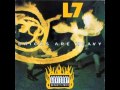
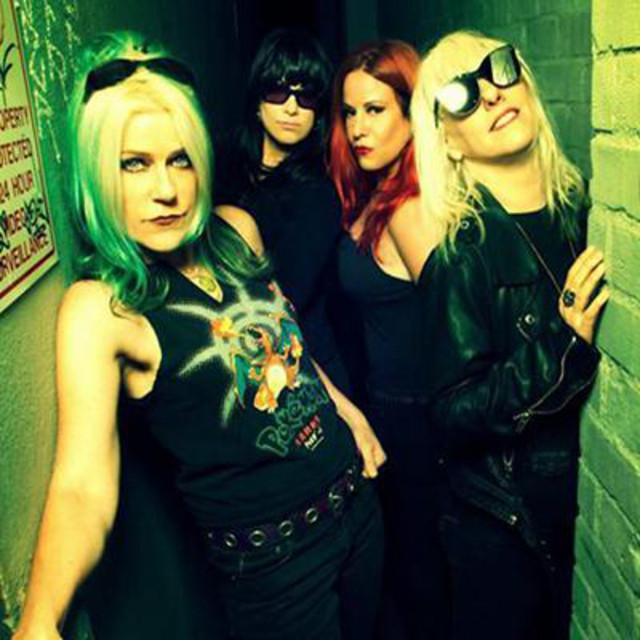
L7’s Spotify BioOften lumped in with the Seattle scene of the early '90s, raucous punk rock band L7 emerged from the streets of Los Angeles in 1985. Owing as much to the hard-charging metal of Motörhead as the no-frills punk of Ramones and Frightwig, the band's sound was a collision of throat-shredding vocals, crunchy riffs, chugging rhythms, and a ferocious attitude that would influence a range of bands from Nirvana to the Distillers. After their first two releases, they made a break into the mainstream with 1992's Butch Vig-produced Bricks Are Heavy, which garnered L7 critical acclaim and a Top 10 single ("Pretend We're Dead"). At the end of the decade, following the release of their sixth effort, Slap-Happy, they entered an extended hiatus, returning two decades later with 2019's Scatter the Rats.
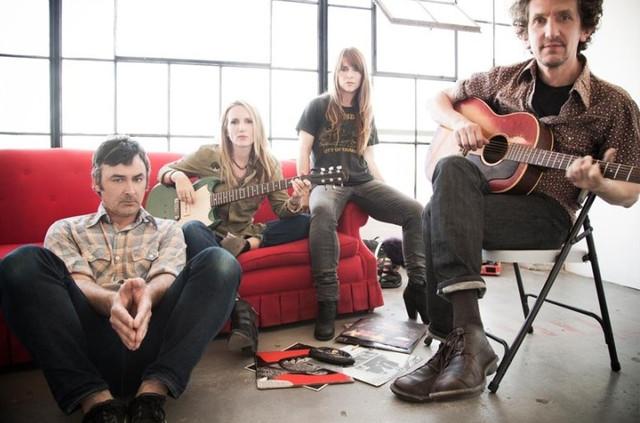
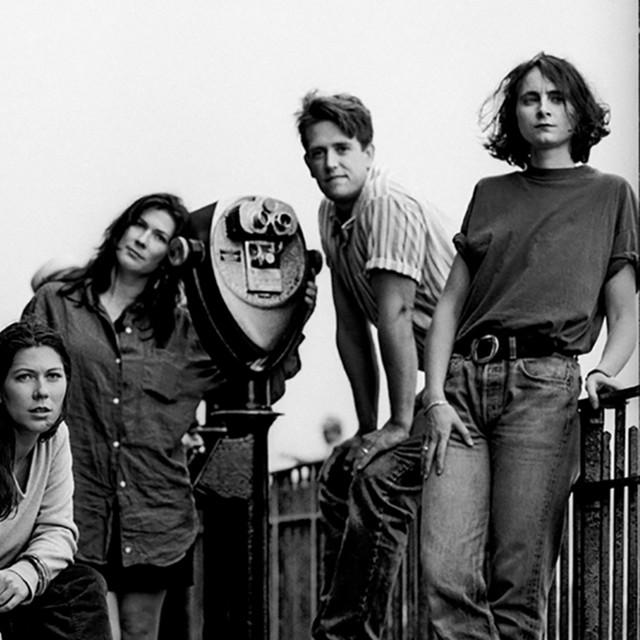
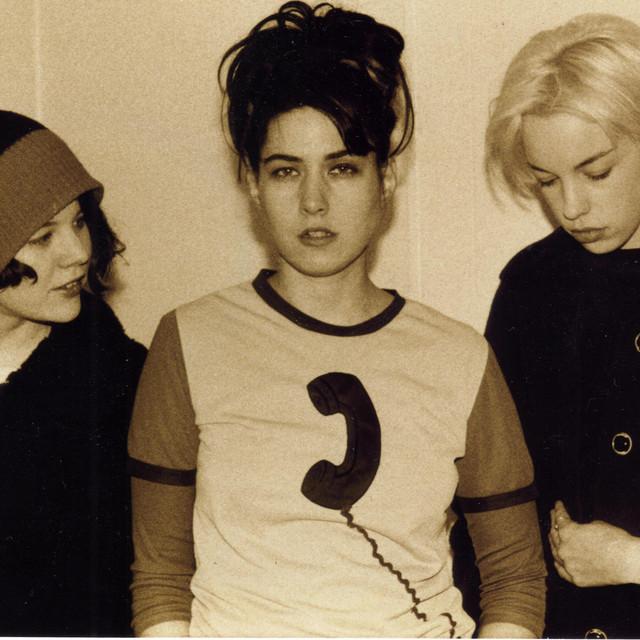
The seeds for L7 (whose name was taken from a slang term in the '50s that meant someone who was a "square") were planted in 1985, when a pair of guitarist/singers, Suzi Gardner and Donita Sparks, decided… to start a band. Over the next few years, the group extended their lineup to include bassist Jennifer Finch and drummer Dee Plakas, as their sound grew more and more metallic yet never lost the attack and simplicity of punk. In 1988, L7 were signed by the Epitaph label, which issued their self-titled debut the same year, and the group spent the better part of the next few years touring the world. The band issued Smell the Magic for the Sub Pop label in 1991, and formed the Rock for Choice nonprofit organization the same year. Raising money and awareness for the pro-choice movement, the organization put on several benefit shows over the years, featuring such noted performers as Nirvana, Hole, Pearl Jam, and Neil Young, among others.
With Nirvana bringing a punk spirit to the mainstream via grunge, bands such as L7 suddenly became in demand and the quartet was signed to Slash/Reprise, issuing their best-known album with the Butch Vig-produced Bricks Are Heavy (which spawned their highest charting single, "Pretend We're Dead") in April 1992. While L7's follow-up, 1994's Hungry for Stink, failed to expand the group's following, they joined the 1994 installment of U.S. alt-rock festival Lollapalooza and made cameos in John Waters' cult film Serial Mom, delivering "Gas Chamber" as the fictional band Camel Lips. Bassist Finch left the group shortly thereafter (eventually replaced by former Belly bassist Gail Greenwood), and the group issued such further releases as 1997's The Beauty Process: Triple Platinum, 1998's Live: Omaha to Osaka, and 1999's Slap-Happy, while the band was also the subject of a 1998 concert film made by former Nirvana bassist Krist Novoselic, also titled The Beauty Process. In 2000, a 12-track retrospective collection was issued, Best of L7: The Slash Years, but for all intents and purposes the band were no longer touring and were widely believed to have ceased operations. Indeed, the following year saw L7 announce, via their website, that they would be going on "indefinite hiatus."
The members continued to be musically active, however, with Sparks pursuing a solo career, with help from Plakas, under the moniker Donita Sparks & the Stellar Moments and Finch playing with the punk unit the Shocker. In 2014, Sparks, Gardner, Finch, and Plakas announced that the group would be reuniting. L7 played their first show in 18 years together at the Echo in Los Angeles on May 23, 2015, followed by an international tour. A crowd-funded documentary -- L7: Pretend We're Dead -- debuted in 2016, further fueling their comeback effort. Following the release of a pair of non-album singles, they issued their seventh set, 2019's Scatter the Rats. Released via Joan Jett's Blackheart Records, the album included the singles "Burn Baby" and "Stadium West." ~ Greg Prato & Neil Z. Yeung
Viberate is a music analytics platform built for A&Rs, artist managers, labels, booking agents, marketers, and artists.
It helps music professionals track artist growth, analyze audience data, monitor playlist activity, compare artists, follow song performance, and identify opportunities across the music market.
Public artist pages provide a free preview of selected artist data. Paid plans provide access to deeper analytics, historical data, charts, comparisons, playlist tools, exports, alerts, reports, and additional professional features.
Yes. Public Viberate artist pages provide selected artist analytics and music data for free.
Viberate also offers a 7-day free trial of the full platform. A credit card is required to start the trial. The trial includes access to the complete product so users can test deeper artist analytics, historical views, playlist insights, comparisons, charts, exports, alerts, and reporting features before choosing a paid plan.
Viberate provides artist analytics across streaming, playlists, social media, video, radio airplay, songs, and audience markets.
Users can analyze Spotify performance, Spotify and Apple Music playlists, YouTube activity, TikTok and Instagram growth, radio spins, song performance, audience locations, demographics, rankings, and overall artist momentum.
Artist profiles also connect to music charts, similar artists, and comparison tools, helping users benchmark performance and evaluate artists in context.
Viberate updates key artist and track data daily.
For followed artists and tracks, selected data is refreshed multiple times per day. This helps teams monitor playlist changes, streaming movement, audience growth, releases, and campaign performance with more current data.
Update frequency can vary depending on the metric and data source.
Yes. Viberate lets users compare up to five artists side by side across streaming, social media, audience, and engagement metrics.
Users can compare fanbase growth, audience demographics, locations, Spotify performance, social metrics, and other artist data over selected time periods.
Artist comparison can be used for A&R scouting, benchmarking, booking decisions, campaign planning, and evaluating artists with similar audiences or market positions.