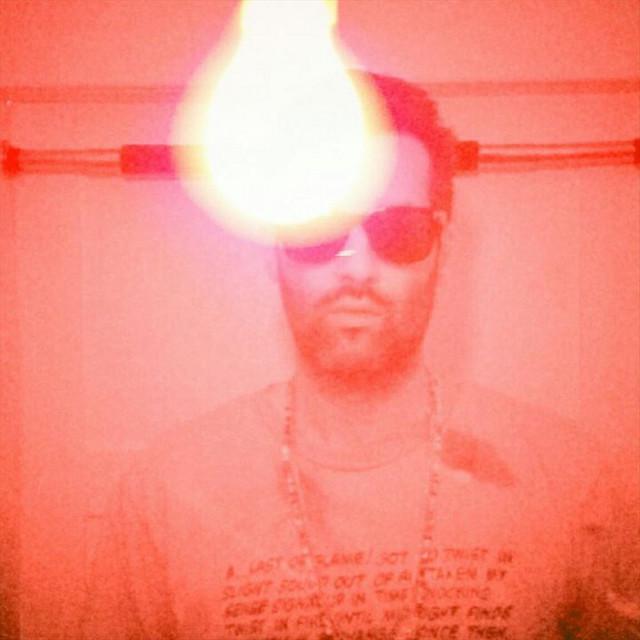
Kutmah

Electronic
Downtempo
Other Electronic Music
 Viberate Rank: 211706
 Viberate Rank: 211706
 Monthly ListenersFollowers
 Subscribers
 Followers
 Followers
 FansTop Spotify Songs
| Track | 7-Day Streams | |
|---|---|---|
1 | 357 | |
2 | 185 | |
3 | 79 | |
4 | 45 | |
5 | 38 |
Top YouTube Videos| Video | 7-Day Views | |
|---|---|---|
1 | 1 |
Monthly ListenersFeatured in Playlists| Playlist | Followers | |
|---|---|---|
1 | Ambient Techno WDTS | 20.84K |
2 |  lofi sleep sounds - 💤 chappie | 7.00K |
3 |  Boiler Room Robert Brown | 6.66K |
4 |  dublab: The Sounds of Now dublab | 5.05K |
5 | Gilles Peterson 🔊 (BBC 6 Music) reacharound98 | 4.00K |
Audience| City | Monthly Listeners | |
|---|---|---|
1 | | 60 |
2 |  | 47 |
3 |  | 40 |
4 |  | 26 |
5 | | 25 |
See full performance history, audience data, playlist activity, rankings, comparisons, and more in Viberate music analytics. Start with a free trial, then continue with a paid plan.
Kutmah’s Spotify BioLeft-field DJ/producer Kutmah worked with broken beats, wobbly time signatures, and spaced-out samples when making his own brand of instrumental hip-hop. Albums like 2017's TROBBB! called on both the sunny warmth of West Coast hip-hop production and the outer reaches of intergalactic synth sounds.
Kutmah was born Justin McNulty in Brighton, England, but at the age of 12, he moved with his Egyptian mother and Scottish father to Hollywood, California. In the early 2000s, he became part of the Los Angeles-based non-profit Web radio collective Dublab. His abstract productions were first issued in 2006 via the Japanese compilation The Sound of L.A., compiled by Dublab's Carlos Niño, and a nine-track 10" EP released on Poo-Bah. In May 2010, U.S. Federal agents unexpectedly removed him from his home due to complications with his immigrant status; he ended up serving two months in a detention center. While incarcerated, he made 39 drawings that, after his release and deportation to the U.K.,… were collected as Two Soups & a Honeybun and showcased at a number of exhibits. Kutmah issued a series of limited mix CDs titled The New Error in 2011, and in 2012 he compiled the second volume of the Brownswood label's Worldwide Family series. The disc featured vintage and contemporary recordings from Tadd Mullinix, Dakim, Dibiase, Flying Lotus, Hudson Mohawke, and Kutmah himself. In an effort to re-establish himself on U.K. soil, Kutmah sunk deeper into his music production, resulting in a number of beat tapes, such as the Black Waves Tape series. He also transferred his L.A. club night, Sketchbook, over to a monthly radio show hosted by NTS. In 2015 he released his third full-length record, BLK/SMR, on Hit & Run Records. He continued to sporadically play shows over the next two years, remaining ever mysterious in the process. His fourth full-length album, 2017's TROBBB!, saw release through Ninja Tune's sister label Big Dada. Three years later, Kutmah resurfaced with the nine-song EP New Appliance, released as a 10" vinyl record by the All City label in March of 2020. ~ Andy Kellman, Rovi
Viberate is a music analytics platform built for A&Rs, artist managers, labels, booking agents, marketers, and artists.
It helps music professionals track artist growth, analyze audience data, monitor playlist activity, compare artists, follow song performance, and identify opportunities across the music market.
Public artist pages provide a free preview of selected artist data. Paid plans provide access to deeper analytics, historical data, charts, comparisons, playlist tools, exports, alerts, reports, and additional professional features.
Yes. Public Viberate artist pages provide selected artist analytics and music data for free.
Viberate also offers a 7-day free trial of the full platform. A credit card is required to start the trial. The trial includes access to the complete product so users can test deeper artist analytics, historical views, playlist insights, comparisons, charts, exports, alerts, and reporting features before choosing a paid plan.
Viberate provides artist analytics across streaming, playlists, social media, video, radio airplay, songs, and audience markets.
Users can analyze Spotify performance, Spotify and Apple Music playlists, YouTube activity, TikTok and Instagram growth, radio spins, song performance, audience locations, demographics, rankings, and overall artist momentum.
Artist profiles also connect to music charts, similar artists, and comparison tools, helping users benchmark performance and evaluate artists in context.
Viberate updates key artist and track data daily.
For followed artists and tracks, selected data is refreshed multiple times per day. This helps teams monitor playlist changes, streaming movement, audience growth, releases, and campaign performance with more current data.
Update frequency can vary depending on the metric and data source.
Yes. Viberate lets users compare up to five artists side by side across streaming, social media, audience, and engagement metrics.
Users can compare fanbase growth, audience demographics, locations, Spotify performance, social metrics, and other artist data over selected time periods.
Artist comparison can be used for A&R scouting, benchmarking, booking decisions, campaign planning, and evaluating artists with similar audiences or market positions.