Kurt Carr

Religious
Christian Music
Gospel
 Viberate Rank: 36667
 Viberate Rank: 36667
 Monthly ListenersFollowers
 Subscribers
 Followers
 Followers
 FansTop Spotify Songs
| Track | 7-Day Streams | |
|---|---|---|
1 | 85.41K | |
2 | 23.51K | |
3 | 4.65K | |
4 | 3.09K | |
5 | 2.15K |
Top YouTube VideosMonthly ListenersFeatured in Playlists| Playlist | Followers | |
|---|---|---|
1 | Black Gospel Praise and Worship diywithme772 | 81.46K |
2 | Best Gospel Songs of All Time Meimi | 77.19K |
3 |  Easter Gospel Spotify | 55.85K |
4 | GOSPEL CLASSICS Patrice Troope | 53.46K |
5 | Gospel Music adrychat-us | 45.55K |
Audience| City | Monthly Listeners | |
|---|---|---|
1 | | 10.05K |
2 | | 8.36K |
3 | | 7.28K |
4 | | 7.00K |
5 | | 6.19K |
See full performance history, audience data, playlist activity, rankings, comparisons, and more in Viberate music analytics. Start with a free trial, then continue with a paid plan.
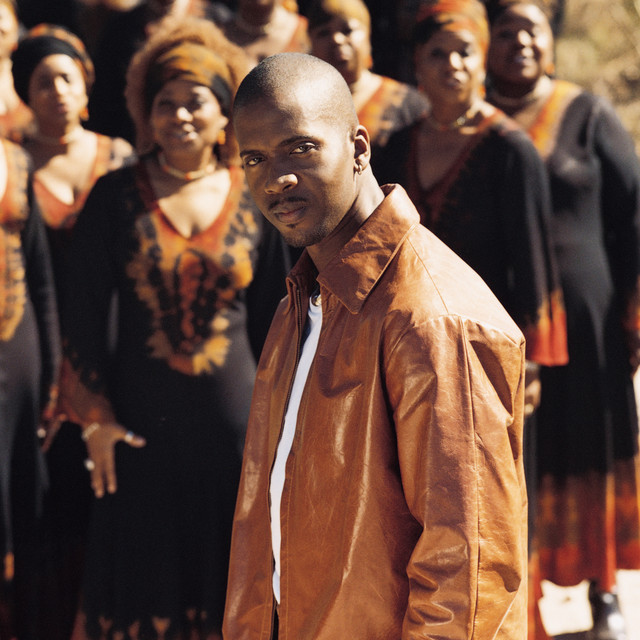
Kurt Carr’s Spotify BioAlthough not raised in a church-going family, gospel leader Kurt Carr took it upon himself to start attending services at age 13 and soon became active in his church's musical programs. Finding inspiration in albums by gospel greats Walter Hawkins, James Cleveland, and Andrae Crouch, Carr attended the University of Connecticut in his hometown of Hartford, graduating with a degree in fine arts and a newfound appreciation of classical music. He was mentored by the classically trained gospel legend Richard Smallwood, who broadened the young student's horizons to include elements of different musical styles in his compositions and whom Carr still refers to as his "godfather." In 1986, Carr joined with Reverend James Cleveland and his ensemble, acting as pianist and musical director until the reverend's death in 1991.
Carr released an album of his compositions and arrangements entitled Together on Light Records in 1991. Starting his own record label, GospoCentric, in 1992, the energetic… musical director led his group, the Kurt Carr Singers, through several albums of contemporary music thoroughly steeped in the traditional sound of gospel including 1994's Serious About It!, 1997's No One Else, and Awesome Wonder in 2000. In addition to his own recordings and serving as creative director for the L.A.-based West Angeles Church of God in Christ, Carr has been an active promoter of the acts on his GospoCentric label, including such industry heavy-hitters as Trin-i-tee 5:7, Gospel Gangstas, and Kirk Franklin and the Family. ~ Zac Johnson, Rovi
Viberate is a music analytics platform built for A&Rs, artist managers, labels, booking agents, marketers, and artists.
It helps music professionals track artist growth, analyze audience data, monitor playlist activity, compare artists, follow song performance, and identify opportunities across the music market.
Public artist pages provide a free preview of selected artist data. Paid plans provide access to deeper analytics, historical data, charts, comparisons, playlist tools, exports, alerts, reports, and additional professional features.
Yes. Public Viberate artist pages provide selected artist analytics and music data for free.
Viberate also offers a 7-day free trial of the full platform. A credit card is required to start the trial. The trial includes access to the complete product so users can test deeper artist analytics, historical views, playlist insights, comparisons, charts, exports, alerts, and reporting features before choosing a paid plan.
Viberate provides artist analytics across streaming, playlists, social media, video, radio airplay, songs, and audience markets.
Users can analyze Spotify performance, Spotify and Apple Music playlists, YouTube activity, TikTok and Instagram growth, radio spins, song performance, audience locations, demographics, rankings, and overall artist momentum.
Artist profiles also connect to music charts, similar artists, and comparison tools, helping users benchmark performance and evaluate artists in context.
Viberate updates key artist and track data daily.
For followed artists and tracks, selected data is refreshed multiple times per day. This helps teams monitor playlist changes, streaming movement, audience growth, releases, and campaign performance with more current data.
Update frequency can vary depending on the metric and data source.
Yes. Viberate lets users compare up to five artists side by side across streaming, social media, audience, and engagement metrics.
Users can compare fanbase growth, audience demographics, locations, Spotify performance, social metrics, and other artist data over selected time periods.
Artist comparison can be used for A&R scouting, benchmarking, booking decisions, campaign planning, and evaluating artists with similar audiences or market positions.