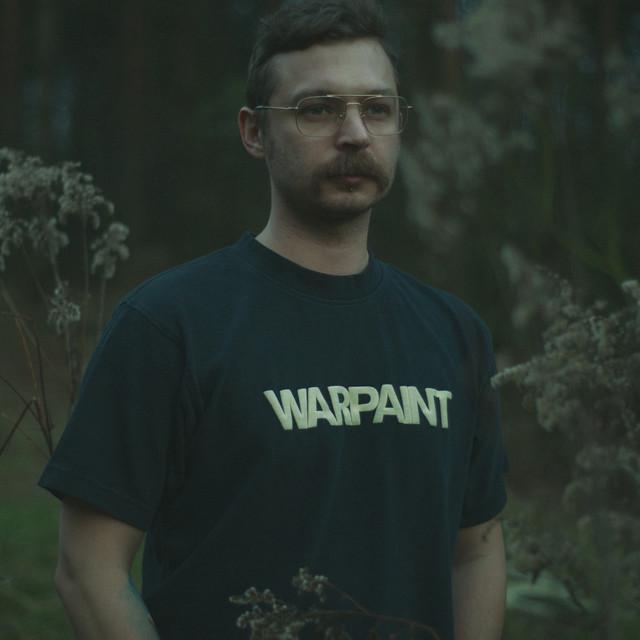
Król Słońce

Rock
Alternative Rock
Other European Music
 Viberate Rank: 566838
 Viberate Rank: 566838
 Monthly ListenersFollowers
 Subscribers
 Followers
 Followers
 FansTop Spotify Songs
| Track | 7-Day Streams | |
|---|---|---|
1 | 58 | |
2 | 26 | |
3 | 14 | |
4 | 10 | |
5 | 8 |
Top YouTube VideosMonthly ListenersFeatured in Playlists| Playlist | Followers | |
|---|---|---|
1 |  Polska muzyka kaczor91 | 3.66K |
2 | LadmanMusicDiscovery 05.22.26 Mike Ladman | 1.61K |
Audience| City | Monthly Listeners | |
|---|---|---|
1 | | 85 |
2 | | 22 |
3 | | 21 |
4 | | 20 |
5 | | 15 |
See full performance history, audience data, playlist activity, rankings, comparisons, and more in Viberate music analytics. Start with a free trial, then continue with a paid plan.
Król Słońce’s Spotify BioKról Słońce to grupa, której styl jest na tyle charakterystyczny, że doczekał się własnej nazwy: prog-pop. Ich muzyka łącząca brzmienie lat 70 i nowoczesnej elektroniki zawiera w sobie psychodelię, disco, klasyczny pop z elementami progresywnymi i jazzem. To piosenki dla wymagających słuchaczy, którzy szukają czegoś innego.
Jesienią 2024 roku zespół wydał swój znakomicie przyjęty debiutancki album “Wschód Zachód” nakładem Thin Man Records. To płyta jakich dziś się prawie nie nagrywa: concept album, pomyślany jako muzyczna opowieść, a nie zbiór singli. Muzyka meandruje tu między alt-popem i psychodeliczną improwizacją, a teksty spajają całość w pełny emocji, osobisty przekaz. Do tego połowa płyty nagrana została „na żywo w studio”, co dodaje materiałowi autentyczności i żywiołowości. Zespół nie ucieka od swoich korzeni i garściami czerpie z polskiej muzyki lat 70: Bemibek, SBB czy Andrzeja Korzyńskiego. Ale jest to równocześnie album w pełni nowoczesny, bliski grupom takim jak: King… Gizzard & Lizard Wizard, Badbadnotgood czy Tame Impala. Album zajął m.in 5 miejsce wśród albumów roku w radiowej Trójce, a singiel "Jupiter" 10 miejsce wśród singli roku a premierowy materiał zabrzmiał na żywo m.in w trójkowym studiu A. Osieckiej i studiu Radia Nowy Świat.
Król Słońce założyli w 2020 muzycy i producenci Alik Matuszewski i Eryk Sarniak, do których dołączył Maciek Sobczyński (gitara). Skład obecnie uzupełnia Janek Nowakowski (perkusja)
Viberate is a music analytics platform built for A&Rs, artist managers, labels, booking agents, marketers, and artists.
It helps music professionals track artist growth, analyze audience data, monitor playlist activity, compare artists, follow song performance, and identify opportunities across the music market.
Public artist pages provide a free preview of selected artist data. Paid plans provide access to deeper analytics, historical data, charts, comparisons, playlist tools, exports, alerts, reports, and additional professional features.
Yes. Public Viberate artist pages provide selected artist analytics and music data for free.
Viberate also offers a 7-day free trial of the full platform. A credit card is required to start the trial. The trial includes access to the complete product so users can test deeper artist analytics, historical views, playlist insights, comparisons, charts, exports, alerts, and reporting features before choosing a paid plan.
Viberate provides artist analytics across streaming, playlists, social media, video, radio airplay, songs, and audience markets.
Users can analyze Spotify performance, Spotify and Apple Music playlists, YouTube activity, TikTok and Instagram growth, radio spins, song performance, audience locations, demographics, rankings, and overall artist momentum.
Artist profiles also connect to music charts, similar artists, and comparison tools, helping users benchmark performance and evaluate artists in context.
Viberate updates key artist and track data daily.
For followed artists and tracks, selected data is refreshed multiple times per day. This helps teams monitor playlist changes, streaming movement, audience growth, releases, and campaign performance with more current data.
Update frequency can vary depending on the metric and data source.
Yes. Viberate lets users compare up to five artists side by side across streaming, social media, audience, and engagement metrics.
Users can compare fanbase growth, audience demographics, locations, Spotify performance, social metrics, and other artist data over selected time periods.
Artist comparison can be used for A&R scouting, benchmarking, booking decisions, campaign planning, and evaluating artists with similar audiences or market positions.