KRMAus

Metal
Metalcore/Deathcore
 Viberate Rank: 762596
 Viberate Rank: 762596
 Monthly ListenersFollowers
 Subscribers
 Followers
 Followers
 FansTop Spotify Songs
| Track | 7-Day Streams | |
|---|---|---|
1 | 10 | |
2 | 8 | |
3 | 7 | |
4 | 3 | |
5 | 2 |
Top YouTube Videos| Video | 7-Day Views | |
|---|---|---|
1 | 1 |
Monthly ListenersFeatured in Playlists| Playlist | Followers | |
|---|---|---|
1 |  Last Band Standing Band Academy | 2.09K |
2 |  Deathcore Specialists Daegin Wood | 1.91K |
Audience| City | Monthly Listeners | |
|---|---|---|
1 | | 3 |
See full performance history, audience data, playlist activity, rankings, comparisons, and more in Viberate music analytics. Start with a free trial, then continue with a paid plan.
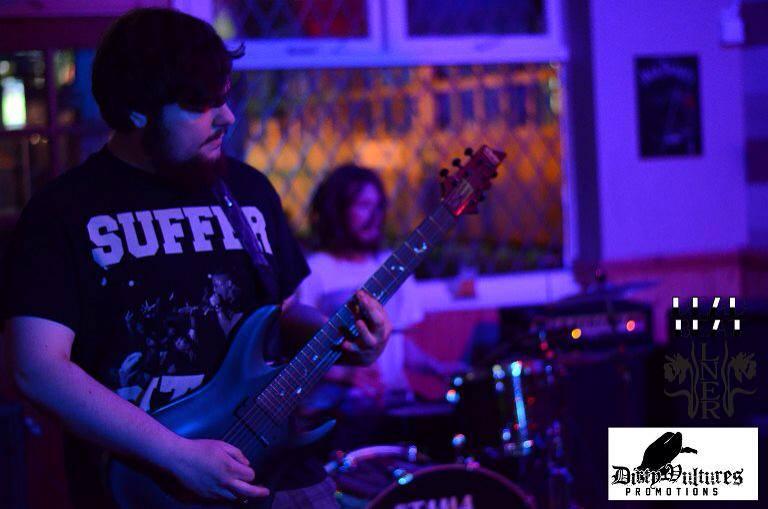
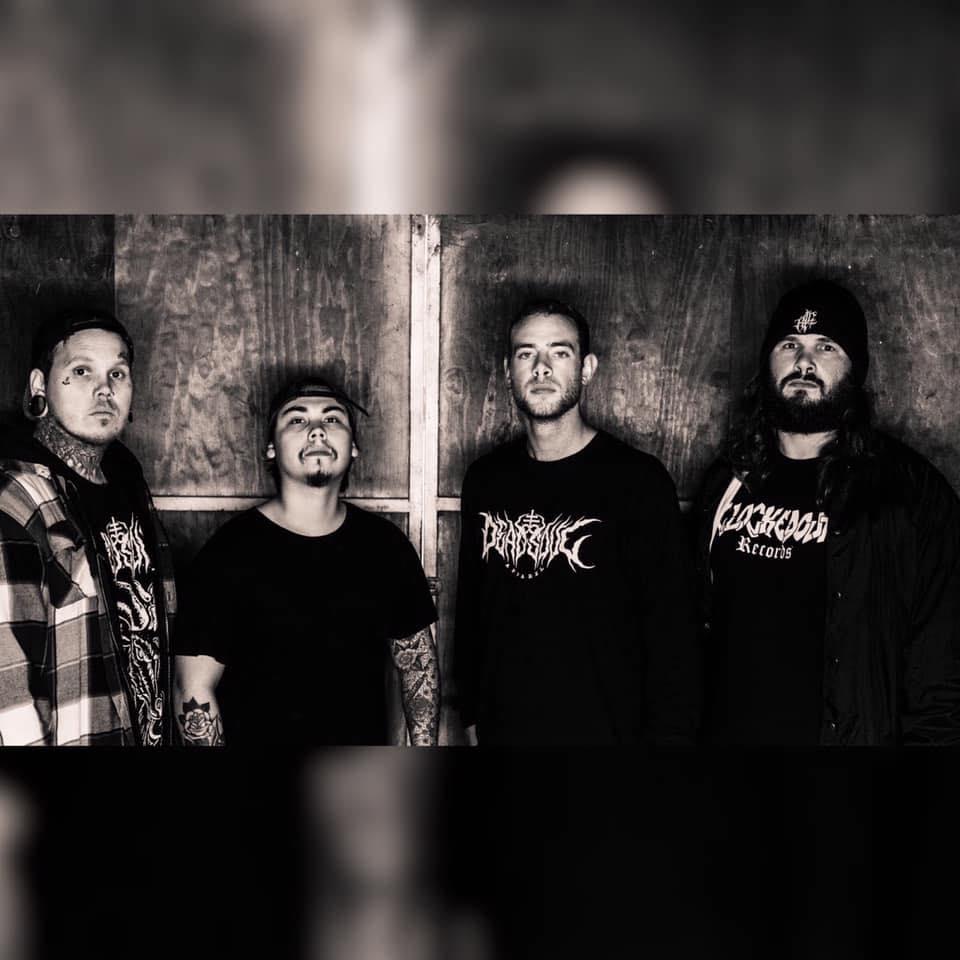
KRMAus’ Spotify BioAlbert the Cannibal, from Bakersfield, CA, was conceived by guitarist David Travis and drummer Joseph Gonzales as a side project with which to explore their love of heavier styled music. Not long after, Joseph Gonzales departed the band and David Travis continued on to form the band’s first full line-up, consisting of himself on guitar, Hunter Sessions on vocals, Chase Thomas on drums, Joey Olsen on guitar and Brian Melgar on bass. The band began practicing songs written by David Travis as well as writing new songs.
Eventually, both Chase Thomas and Brian Melgar decided to leave the band, due to personal reasons, marking the return of Joseph Gonzales to the band he had helped create. Soon after, Kevin Casten was recruited on bass to fill out the new line-up that would be performing the first shows played by Albert the Cannibal.
About a year after joining, Joey Olsen and the rest of the band decided to part ways, citing creative differences as the reason for the split. Soon after, Brian… Melgar returned to the band, this time taking over the guitarist position vacated by Joey Olsen. Unfortunately, Brian Melgar soon parted ways with the band once more
At this point, the band decided to remain a four-piece, their current lineup consisting of David Travis on guitar, Joseph Gonzales on drums, Hunter Sessions on vocals and Kevin Casten on bass.
Albert the Cannibal has since gone on to record their first EP, titled “None of Us Are Saints,” which was released on March 21st 2017.
Viberate is a music analytics platform built for A&Rs, artist managers, labels, booking agents, marketers, and artists.
It helps music professionals track artist growth, analyze audience data, monitor playlist activity, compare artists, follow song performance, and identify opportunities across the music market.
Public artist pages provide a free preview of selected artist data. Paid plans provide access to deeper analytics, historical data, charts, comparisons, playlist tools, exports, alerts, reports, and additional professional features.
Yes. Public Viberate artist pages provide selected artist analytics and music data for free.
Viberate also offers a 7-day free trial of the full platform. A credit card is required to start the trial. The trial includes access to the complete product so users can test deeper artist analytics, historical views, playlist insights, comparisons, charts, exports, alerts, and reporting features before choosing a paid plan.
Viberate provides artist analytics across streaming, playlists, social media, video, radio airplay, songs, and audience markets.
Users can analyze Spotify performance, Spotify and Apple Music playlists, YouTube activity, TikTok and Instagram growth, radio spins, song performance, audience locations, demographics, rankings, and overall artist momentum.
Artist profiles also connect to music charts, similar artists, and comparison tools, helping users benchmark performance and evaluate artists in context.
Viberate updates key artist and track data daily.
For followed artists and tracks, selected data is refreshed multiple times per day. This helps teams monitor playlist changes, streaming movement, audience growth, releases, and campaign performance with more current data.
Update frequency can vary depending on the metric and data source.
Yes. Viberate lets users compare up to five artists side by side across streaming, social media, audience, and engagement metrics.
Users can compare fanbase growth, audience demographics, locations, Spotify performance, social metrics, and other artist data over selected time periods.
Artist comparison can be used for A&R scouting, benchmarking, booking decisions, campaign planning, and evaluating artists with similar audiences or market positions.