Kris Flair

Hip Hop
Contemporary Hip Hop
 Viberate Rank: 392306
 Viberate Rank: 392306
 Monthly ListenersFollowers
 Subscribers
 Followers
 Followers
 FansTop Spotify Songs
| Track | 7-Day Streams | |
|---|---|---|
1 | 1.05K | |
2 | 783 | |
3 | 7 | |
4 | 4 | |
5 | 4 |
Top YouTube VideosMonthly ListenersFeatured in Playlists| Playlist | Followers | |
|---|---|---|
1 | BEST of Yelawolf Andy Connor | 18.76K |
2 |  Rapflix and Chill marshallwhite | 10.63K |
3 |  Trap Essentials 🔥 emolists | 10.48K |
4 |  Rap Caviar rolly_depp | 8.76K |
5 |  Yelawolf - All Songs Wabs | 3.29K |
Audience| City | Monthly Listeners | |
|---|---|---|
1 | | 4 |
2 | | 4 |
3 |  | 3 |
4 | | 3 |
See full performance history, audience data, playlist activity, rankings, comparisons, and more in Viberate music analytics. Start with a free trial, then continue with a paid plan.
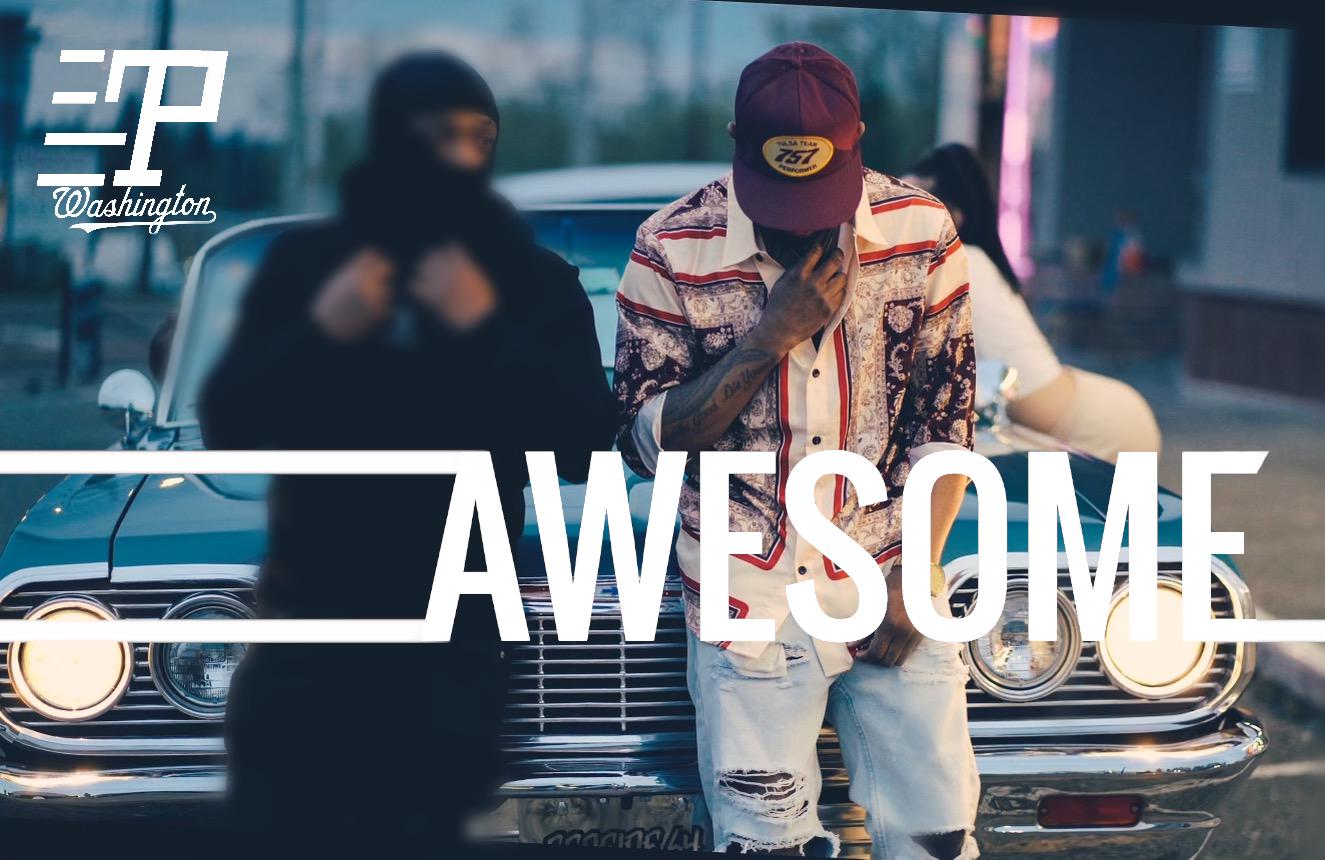
Kris Flair’s Spotify BioKris Flair is an American singer, songwriter from Ohio. Kris Flair was born in Dayton, Ohio on November 7th, 1997. Flair was surrounded by music from a very young age. His family was very musically inclined. During “the swing era” his grandfather was a drummer for several bands. He performed with artists such as @BennyGoodman all over the country. Creating a genre of music that is classified as “big band music”. In the 80s & 90s, several of his uncles were apart of a variety of successful bands who toured across the United States. He started pursuing music seriously at the age of 14. He then created the stage name “Sonny” in honor of his grandfather. At 17 he began performing at bars in his hometown. By 18, he was touring all over the east coast. In 2018 he started distributing his music and ran into issues trademarking the name. It was back to the drawing board. However, change is exactly what he needed when he changed his name to “Kris Flair”. The new name was a tribute to his late… cousin Kristin Magill who passed on Sept 14, 2013. While the last name was created to represent the flashy fearless style of professional wrestler Ric Flair. He then released his debut single entitled “Bet On Me” which catapulted him into new heights as of late 2018. On March 25, 2019, Kris inked his first record deal with Shife Life Records. Flair has an electrifying sound with a vocal ability to create any genre of music which is heavily influenced by Drake, Russ, Mac Miller & many more.
Viberate is a music analytics platform built for A&Rs, artist managers, labels, booking agents, marketers, and artists.
It helps music professionals track artist growth, analyze audience data, monitor playlist activity, compare artists, follow song performance, and identify opportunities across the music market.
Public artist pages provide a free preview of selected artist data. Paid plans provide access to deeper analytics, historical data, charts, comparisons, playlist tools, exports, alerts, reports, and additional professional features.
Yes. Public Viberate artist pages provide selected artist analytics and music data for free.
Viberate also offers a 7-day free trial of the full platform. A credit card is required to start the trial. The trial includes access to the complete product so users can test deeper artist analytics, historical views, playlist insights, comparisons, charts, exports, alerts, and reporting features before choosing a paid plan.
Viberate provides artist analytics across streaming, playlists, social media, video, radio airplay, songs, and audience markets.
Users can analyze Spotify performance, Spotify and Apple Music playlists, YouTube activity, TikTok and Instagram growth, radio spins, song performance, audience locations, demographics, rankings, and overall artist momentum.
Artist profiles also connect to music charts, similar artists, and comparison tools, helping users benchmark performance and evaluate artists in context.
Viberate updates key artist and track data daily.
For followed artists and tracks, selected data is refreshed multiple times per day. This helps teams monitor playlist changes, streaming movement, audience growth, releases, and campaign performance with more current data.
Update frequency can vary depending on the metric and data source.
Yes. Viberate lets users compare up to five artists side by side across streaming, social media, audience, and engagement metrics.
Users can compare fanbase growth, audience demographics, locations, Spotify performance, social metrics, and other artist data over selected time periods.
Artist comparison can be used for A&R scouting, benchmarking, booking decisions, campaign planning, and evaluating artists with similar audiences or market positions.