Kris Brownlee

Jazz
Jazz Fusion
Smooth Jazz
 Viberate Rank: 528260
 Viberate Rank: 528260
 Monthly ListenersFollowers
 Subscribers
 Followers
 Followers
 FansTop Spotify Songs
| Track | 7-Day Streams | |
|---|---|---|
1 | 23 | |
2 | 11 | |
3 | 10 | |
4 | 7 | |
5 | 6 |
Top YouTube VideosMonthly ListenersFeatured in PlaylistsAudience| City | Monthly Listeners | |
|---|---|---|
1 | | 5 |
2 | | 3 |
3 | | 3 |
4 | | 3 |
See full performance history, audience data, playlist activity, rankings, comparisons, and more in Viberate music analytics. Start with a free trial, then continue with a paid plan.
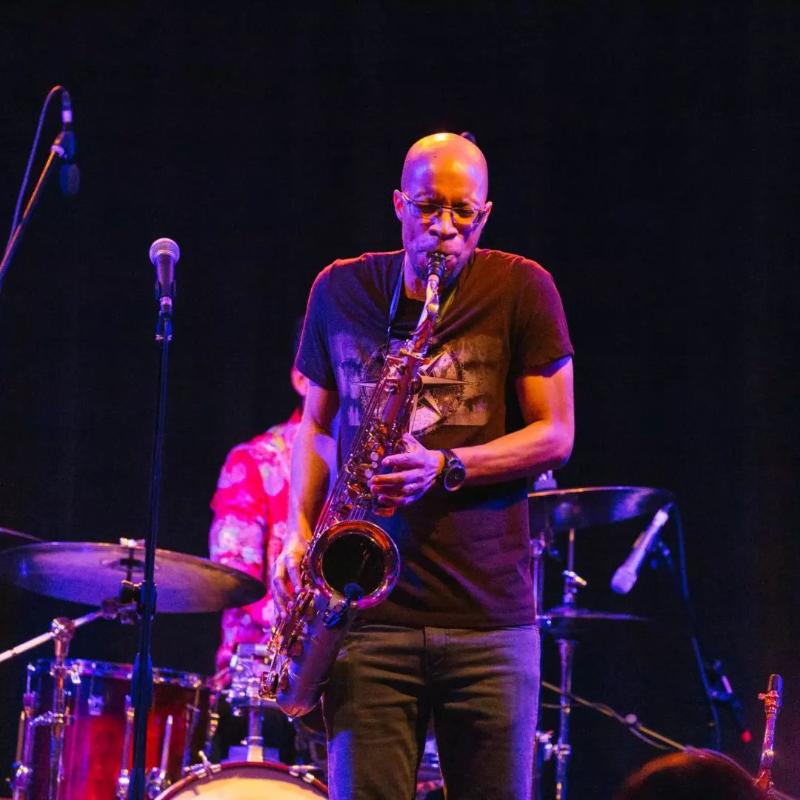
Kris Brownlee’s Spotify BioKris Brownlee is no stranger to contemporary jazz. First emerging on the scene in 2001 as the frontman for his group, The Grooveside, Kris quickly setup a weekly jazz residency in Chicago that allowed him to not only sharpen his contemporary sound, but allowed him to sharpen his straight-ahead jazz chops as well.
Although best known for his versatile skills on saxophone, he often refers to himself as a multi-instrumentalist, composer, and producer. His third album, “Sincerely Yours” allowed Kris to wear all three hats at the same time. Although a huge task, it landed Kris a recording contract with Megawave Records, radio airplay, a single, “Solstice”, which landed at #3 on U.K. Smooth Jazz Charts, and a album that climbed it’s way to #9 on Amazon’s Smooth Jazz Charts.
“Sincerely Yours” brought together many collaborations that included Grammy Award-winning producer, Michael Broening, as well as, other contemporary jazz artists Cindy Bradley, Argentinean vocalist Gabriela Anders, and… legendary guitarists Freddie Fox and Jay Soto. Kris is set to release his much-anticipated fourth album, “Breathe: Night Sessions”, on June 8th 2018 and promises a new contemporary immersion never before heard.
Kris just doesn’t play music; the L.A. Sax Performing Artist entertains, entertains, entertains and has been captivating audiences as a regular on popular club and festival circuits for years. Audiences love to hear how Kris infuses his legit/bepop jazz chops in with modern grooves.
Viberate is a music analytics platform built for A&Rs, artist managers, labels, booking agents, marketers, and artists.
It helps music professionals track artist growth, analyze audience data, monitor playlist activity, compare artists, follow song performance, and identify opportunities across the music market.
Public artist pages provide a free preview of selected artist data. Paid plans provide access to deeper analytics, historical data, charts, comparisons, playlist tools, exports, alerts, reports, and additional professional features.
Yes. Public Viberate artist pages provide selected artist analytics and music data for free.
Viberate also offers a 7-day free trial of the full platform. A credit card is required to start the trial. The trial includes access to the complete product so users can test deeper artist analytics, historical views, playlist insights, comparisons, charts, exports, alerts, and reporting features before choosing a paid plan.
Viberate provides artist analytics across streaming, playlists, social media, video, radio airplay, songs, and audience markets.
Users can analyze Spotify performance, Spotify and Apple Music playlists, YouTube activity, TikTok and Instagram growth, radio spins, song performance, audience locations, demographics, rankings, and overall artist momentum.
Artist profiles also connect to music charts, similar artists, and comparison tools, helping users benchmark performance and evaluate artists in context.
Viberate updates key artist and track data daily.
For followed artists and tracks, selected data is refreshed multiple times per day. This helps teams monitor playlist changes, streaming movement, audience growth, releases, and campaign performance with more current data.
Update frequency can vary depending on the metric and data source.
Yes. Viberate lets users compare up to five artists side by side across streaming, social media, audience, and engagement metrics.
Users can compare fanbase growth, audience demographics, locations, Spotify performance, social metrics, and other artist data over selected time periods.
Artist comparison can be used for A&R scouting, benchmarking, booking decisions, campaign planning, and evaluating artists with similar audiences or market positions.